

For decades, real estate has been considered one of the safest and most reliable investment options in Pakistan. From residential plots and houses to commercial properties, investors have traditionally relied on property to preserve wealth, generate rental income, and hedge against inflation. However, recent changes in tax policies and tighter documentation requirements have raised an important question among buyers and investors alike: Is real estate still a safe investment in Pakistan after new taxes?
This article explores the impact of recent tax reforms, current market realities, risks, and opportunities to help investors make informed decisions.
Understanding Pakistan’s Real Estate Market
Pakistan’s real estate sector has long been driven by population growth, urbanization, and limited land availability in major cities such as Lahore, Karachi, Islamabad, and Faisalabad. Property ownership is deeply rooted in the country’s culture, with many people viewing land and housing as the most secure form of savings.
Historically, real estate offered:
- Capital appreciation over time
- Protection against inflation
- Tangible asset ownership
- Long-term financial security
However, the market was also heavily influenced by speculation, undocumented transactions, and short-term buying and selling, which contributed to price volatility.
What Are the New Taxes on Real Estate in Pakistan?
Recent government measures aim to document the economy, increase tax revenue, and curb speculative activity in the property sector. While exact rates may vary based on budget decisions, the overall direction of policy has changed.
Key Tax Changes Affecting Real Estate
- Withholding taxes on buying and selling property have been revised to bring more transactions into the formal system.
- Capital Gains Tax (CGT) rules are more strictly enforced, reducing profits from short-term property flipping.
- Property valuation rates have been aligned more closely with market prices, increasing declared values and tax liabilities.
- Advance taxes and documentation requirements have increased compliance for both buyers and sellers.
These changes have altered the cost structure of property investment and shifted market behavior.
How New Taxes Have Changed Investor Behavior
1. Decline in Speculative Trading
Short-term investors who relied on quick price appreciation are now facing higher taxes and lower margins. As a result, speculative buying has slowed significantly in many markets.
2. Focus on Genuine Buyers
End-users and long-term investors are now more active, as reduced speculation has stabilized prices in several areas. This shift has created healthier market conditions.
3. Increased Transparency
Documented transactions and clearer valuation methods have improved trust in the system, although they have also increased compliance costs.
Is Real Estate Still a Safe Investment?
The answer depends on investment goals, time horizon, and strategy.
Why Real Estate Can Still Be a Safe Investment
1. Long-Term Demand Remains Strong
Pakistan faces a significant housing shortage, particularly in urban areas. Population growth and rural-to-urban migration continue to drive demand for residential and commercial properties.
2. Inflation Hedge
Despite new taxes, real estate remains one of the most effective ways to protect wealth against inflation, especially compared to holding cash.
3. Rental Income Opportunities
Rental yields may be modest, but they offer stable, predictable income particularly in well-located residential and commercial properties.
4. Reduced Price Volatility
Lower speculative activity has helped reduce artificial price spikes, making the market more predictable for serious investors.
Risks Investors Must Consider After New Taxes
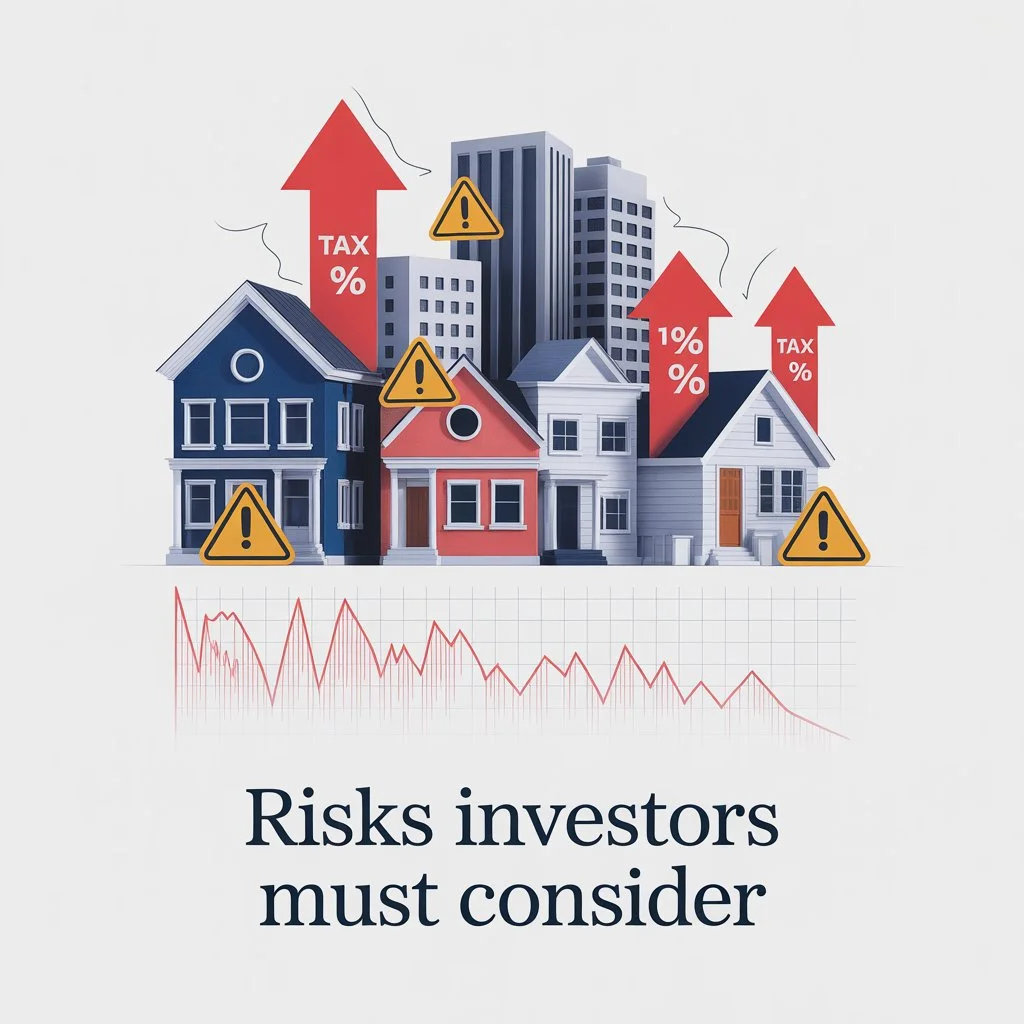
While real estate still offers safety, it is no longer a “quick profit” investment.
1. Higher Transaction Costs
Taxes and documentation fees increase the initial cost of buying and selling property, which can impact short-term returns.
2. Valuation Disputes
Differences between market prices and official valuation rates can lead to higher tax liabilities and complications during transactions.
3. Lower Liquidity
Compared to stocks or mutual funds, real estate remains less liquid. Selling property quickly especially during slow market phases can be challenging.
4. Policy Uncertainty
Frequent changes in tax rules may affect investor confidence. Long-term planning is essential to manage regulatory risk.
Impact on Different Types of Investors
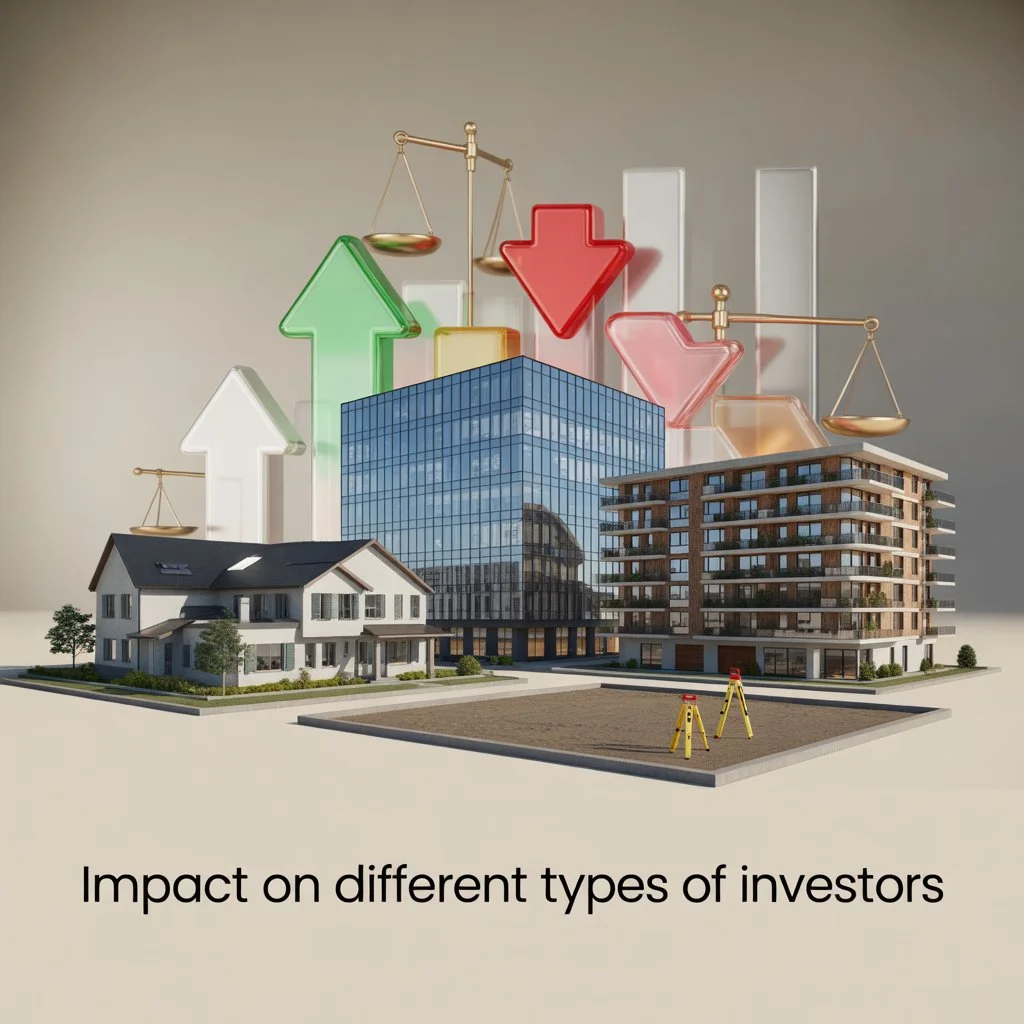
Homebuyers
For genuine homebuyers, the new tax structure can actually be beneficial. Reduced speculative pressure has stabilized prices, making homes more affordable in some areas.
Long-Term Investors
Those focusing on rental income or gradual appreciation over 5–10 years can still find real estate to be a secure investment option.
Short-Term Traders
Property flipping is no longer as profitable due to taxes and compliance costs. This strategy now carries higher risk.
Overseas Pakistanis
Overseas investors remain interested in Pakistani real estate, but documentation and transparency requirements have made due diligence more important than ever.
Comparing Real Estate with Other Investment Options
While real estate remains attractive, investors are now more likely to compare it with alternatives such as:
- Stock market investments
- Mutual funds
- Government bonds
- Fixed-income instruments
Each option has its own risk-return profile. Real estate stands out for its tangible value and long-term stability, but diversification is increasingly recommended.
Expert Tips for Safe Property Investment After New Taxes
- Focus on location, infrastructure, and legal approvals
- Invest with a long-term perspective
- Calculate total costs, including taxes and documentation
- Consider rental yield, not just price appreciation
- Work with trusted real estate and tax professionals
Conclusion
Real estate in Pakistan is still a safe investment for long-term, informed, and compliant investors. The era of undocumented deals and quick speculative gains is fading, but this shift is creating a more stable and transparent market.
For buyers seeking long-term value, rental income, and asset security, property remains a solid choice. However, success now depends on careful planning, legal compliance, and realistic return expectations.
Want to know more? Check out Pakistan Property Tax Hike 2025: Impact on Faisalabad Real Estate
Like, share and comment: Facebook, Instagram, Youtube and TikTok.



Join The Discussion