
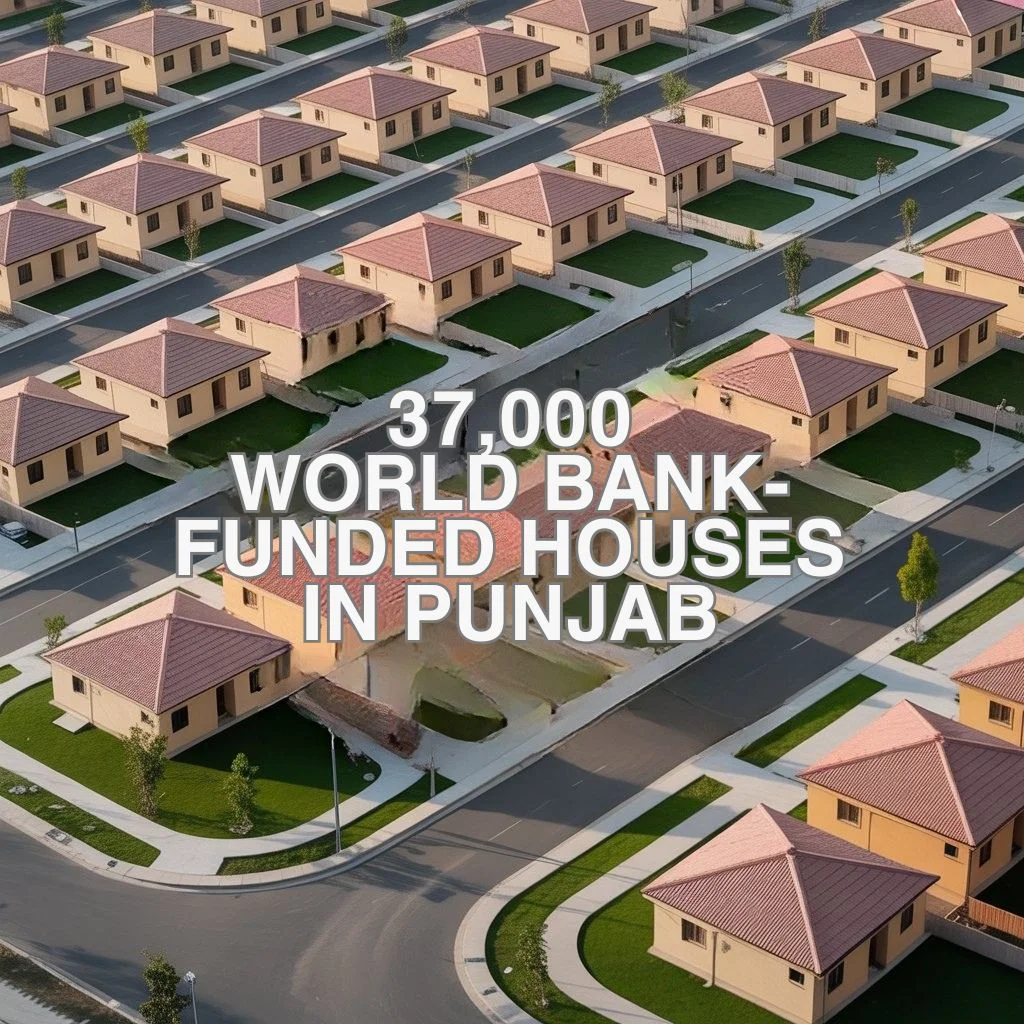
Punjab has taken a major step toward addressing its growing housing shortage by identifying sites for the construction of 37,000 World Bank-funded houses. This landmark initiative is part of a broader effort to improve access to affordable housing in Pakistan, particularly for low- and middle-income families struggling with rising property prices and limited housing supply.
The project reflects a renewed focus on government housing schemes in Punjab, combining international financial support with local planning to strengthen the province’s real estate and construction sectors.
Addressing Punjab’s Housing Shortage
Punjab, Pakistan’s most populous province, continues to face an acute urban housing shortage due to rapid population growth, urbanization, and rising land costs. Cities such as Lahore, Faisalabad, Multan, and Rawalpindi have experienced increasing demand for residential projects, putting pressure on existing housing infrastructure.
The Punjab affordable housing project World Bank support aims to bridge this gap by creating thousands of new housing units on carefully selected, state-owned land. By identifying suitable sites in advance, the provincial government has laid the groundwork for timely execution and reduced delays that often affect public housing initiatives.
World Bank’s Role in Affordable Housing
The World Bank funded housing projects in Pakistan are designed to support sustainable urban development while improving living conditions for vulnerable communities. Under this initiative, Punjab will receive financial and technical assistance to ensure that construction standards, transparency, and delivery timelines meet international benchmarks.
This World Bank housing project focuses on:
- Providing low-cost housing in Punjab
- Strengthening institutional capacity
- Encouraging efficient land use
- Supporting long-term urban planning
By aligning provincial housing policies with global best practices, the project enhances confidence among investors, developers, and end users.
Site Identification and Planning Strategy
According to official sources, multiple sites across Punjab have been identified through coordination between land revenue departments, district administrations, and planning authorities. These sites are primarily located on state-owned land, helping reduce acquisition costs and keeping homes affordable.
The site identification process also considers:
- Proximity to existing infrastructure
- Access to transport, utilities, and services
- Environmental sustainability
- Integration with future real estate development plans
This structured approach highlights how Punjab identifies sites for affordable housing in a way that supports long-term urban growth rather than isolated construction.
Benefits for Low- and Middle-Income Families
At the heart of this initiative is the goal of providing affordable homes for low income families in Punjab. Rising construction costs and inflation have pushed homeownership out of reach for many households. The 37,000 World Bank funded houses in Punjab are expected to offer reasonably priced options with improved living standards.
Key benefits include:
- Secure and planned residential communities
- Improved access to basic amenities
- Reduced informal settlements
- Enhanced social stability
This Punjab low income housing project also complements existing public housing programs and strengthens the social safety net.
Impact on Punjab’s Real Estate Sector
From a market perspective, the project is a positive signal for the property sector in Pakistan. Large-scale public housing developments often act as catalysts for surrounding areas, encouraging private investment and infrastructure development.
The initiative is expected to:
- Boost construction activity
- Generate employment opportunities
- Stabilize demand in the housing market
- Improve investor confidence
As Punjab real estate news, this development is closely watched by developers and stakeholders who see affordable housing as a growing segment of the market.
Public-Private Collaboration and Policy Direction
The project reflects a broader trend toward public-private partnerships in housing and infrastructure development. While the government leads planning and financing, private contractors and developers are expected to play a key role in execution.
This model aligns with wider housing policy in Pakistan, where collaboration is essential to meet the scale of housing demand. The initiative also supports housing sector reforms in Pakistan by emphasizing transparency, accountability, and efficient delivery.
Urban Development and Infrastructure Growth
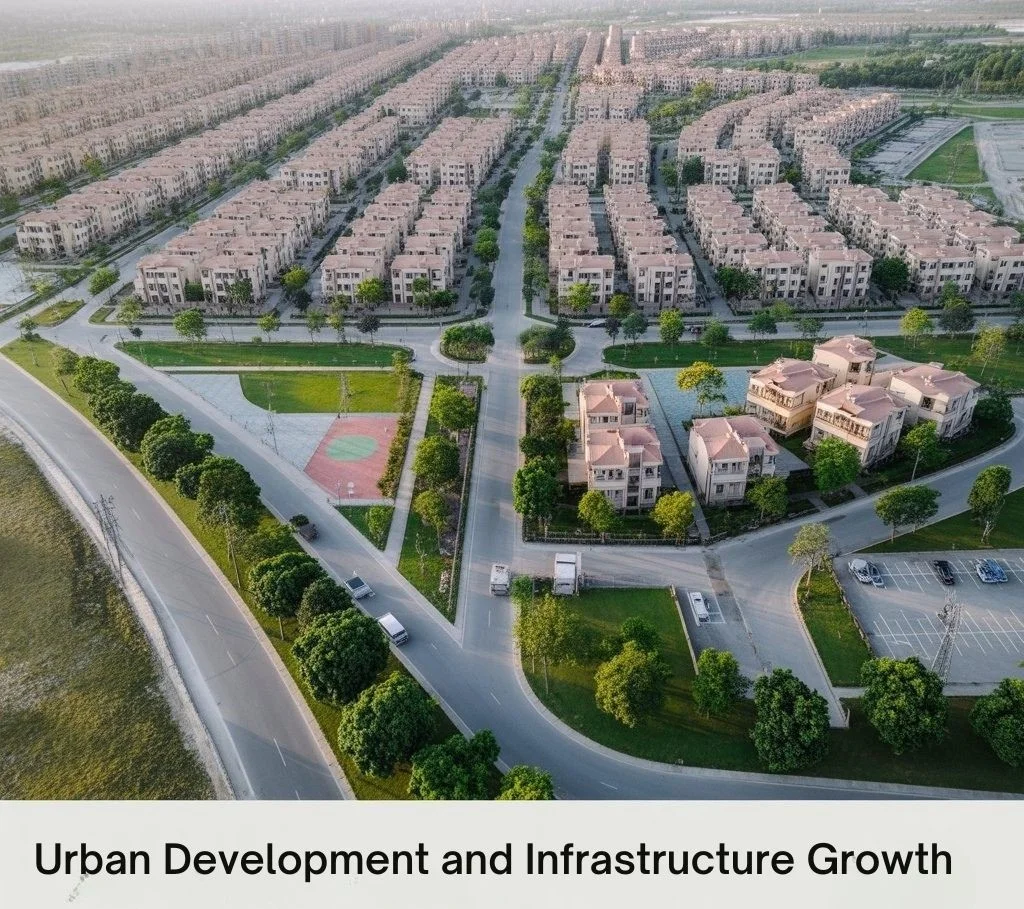
Beyond housing, the project contributes to urban development in Punjab. Planned residential communities help reduce unregulated expansion and improve city management. Proper zoning, infrastructure planning, and service delivery will improve overall quality of life.
The construction of 37,000 affordable housing units will also stimulate demand for utilities, roads, schools, and healthcare facilities, reinforcing integrated urban growth.
Long-Term Outlook for Affordable Housing
While the identification of sites is a critical milestone, the success of the project will depend on timely execution, monitoring, and policy continuity. Experts note that sustained investment and institutional coordination are essential to ensure these new housing projects in Punjab deliver lasting impact.
If implemented effectively, the initiative could serve as a model for future government affordable housing schemes in Punjab and across Pakistan.
Conclusion
The decision that Punjab identifies sites to launch 37,000 World Bank-funded houses marks a significant advancement in tackling the province’s housing challenges. By combining international financing, structured planning, and a focus on affordability, the project has the potential to reshape the residential landscape.
For homebuyers, investors, and industry professionals, this development signals a strong commitment to affordable housing in Pakistan and reinforces the role of public policy in supporting sustainable real estate growth. As construction moves forward, the initiative will play a key role in addressing the housing deficit and strengthening Punjab’s real estate and construction sectors.
Want to know more? Check out Why Pakistan’s Housing Finance Scheme Is Failing in 2026
Like, share and comment: Facebook, Instagram, Youtube and TikTok.




Join The Discussion