
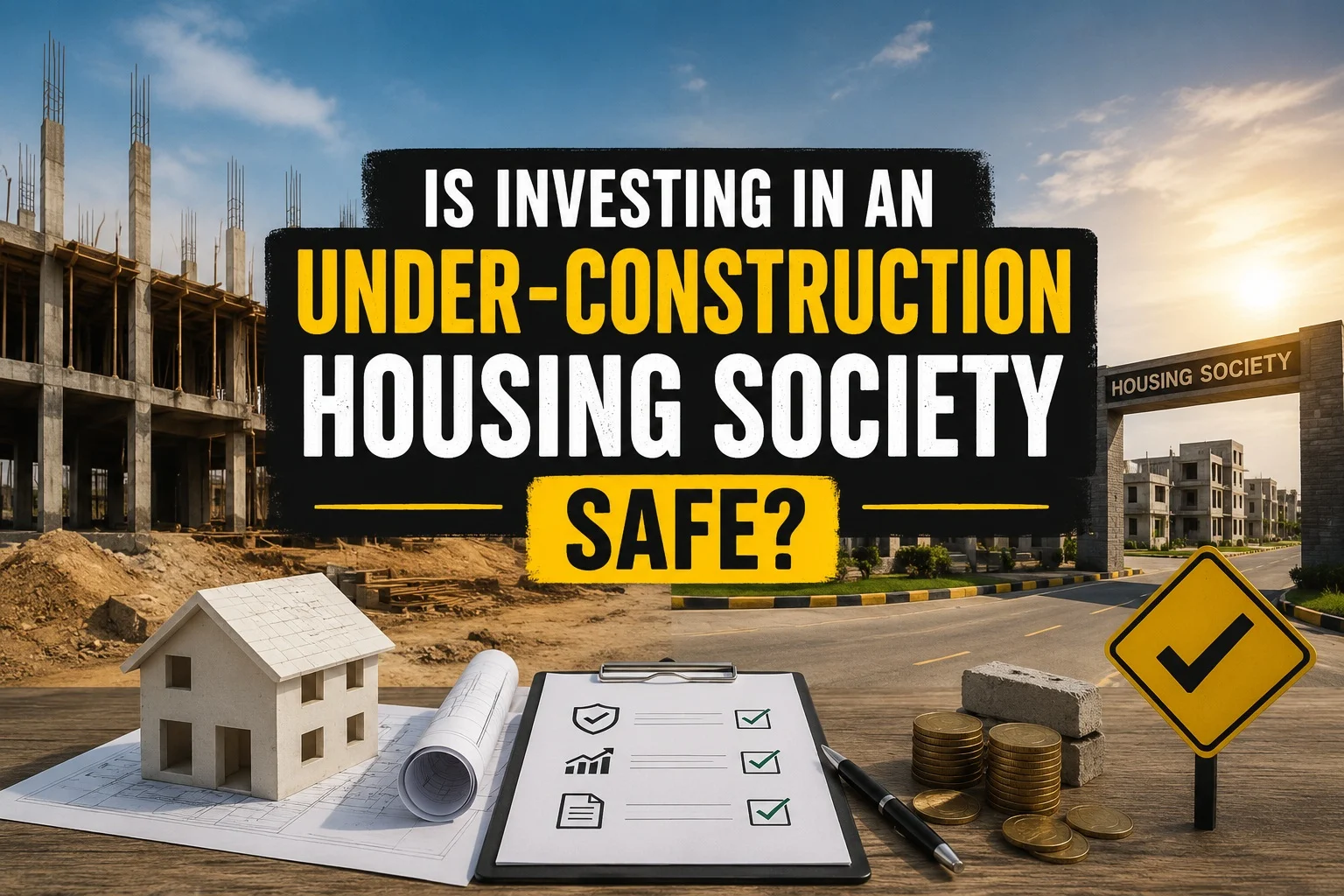
Investing in real estate has long been considered one of the most reliable ways to build wealth. Among the many options available, buying property in an under-construction housing society often attracts investors because of its lower prices and potential for higher returns. However, many buyers ask the same question: Is investing in an under-construction housing society safe?
The answer depends on several factors, including the developer’s reputation, legal approvals, project progress, and your own investment goals. While early-stage projects can offer significant appreciation in value, they also carry risks that every buyer should understand before making a decision.
This guide explains the advantages, potential risks, and practical steps you can take to make a safer housing society investment.
What Is an Under-Construction Housing Society?
An under-construction housing society is a residential development that is still being built or is in the early stages of development. Infrastructure such as roads, utilities, parks, and residential plots may not yet be fully completed.
Developers usually launch these projects before completion to attract investors and generate funds for ongoing construction. As a result, buyers often have the opportunity to purchase plots or homes at prices lower than those in fully developed communities.
Benefits of Investing in an Under-Construction Housing Society
Lower Property Prices
One of the biggest advantages of investing early is affordability. Developers frequently offer attractive launch prices and flexible installment plans during the initial stages of a project. This allows buyers to enter the market with a lower upfront investment.
Higher Potential Returns
As development progresses and essential infrastructure is completed, property values often increase. Investors who buy early may benefit from capital appreciation when demand grows and the project nears completion.
Flexible Payment Plans
Many developers offer installment-based payment schedules, making property ownership more accessible for individuals who may not have the funds for a full upfront payment.
Greater Choice of Plots
Early investors usually have access to a wider selection of plot sizes and premium locations within the housing society, allowing them to choose properties with better long-term value.
Risks of Investing in an Under-Construction Housing Society
Although early investment can be rewarding, buyers should also understand the risks involved.
Project Delays
Construction delays are among the most common concerns. Weather conditions, financial challenges, regulatory approvals, or changes in development plans can postpone project completion.
If possession takes longer than expected, investors may need to wait years before they can build or sell their property.
Legal and Approval Issues
Not every housing project has completed all required legal approvals before marketing begins. Investing in a society without proper documentation can expose buyers to unnecessary risks.
Before purchasing property, verify that the developer has obtained the necessary approvals from the relevant authorities and that the land ownership records are clear.
Financial Risks
Some developers may experience funding shortages, slowing construction or affecting project quality. Reviewing the developer’s financial stability and history of completed projects can help reduce this risk.
Market Fluctuations
Property prices can rise or fall depending on economic conditions, government policies, infrastructure development, and market demand. While many under-construction projects appreciate over time, returns are never guaranteed.
How to Verify an Under-Construction Housing Society
Conducting proper due diligence is one of the best ways to protect your investment.
Check Legal Approvals
Confirm that the housing society has received the required approvals from the relevant government authorities. Verify land ownership records, development permissions, and any applicable No Objection Certificates (NOCs).
Research the Developer
Choose a developer with a strong reputation and a proven history of delivering projects on time. Previous successful developments can provide valuable insight into their reliability.
Visit the Project Site
A physical site visit allows you to assess actual development progress rather than relying solely on promotional materials. Check whether roads, boundary walls, utilities, and other infrastructure are under construction as promised.
Review the Payment Plan
Read the payment schedule carefully. Make sure you understand all charges, development fees, and any penalties associated with delayed payments.
Verify Available Facilities
Evaluate whether the society’s planned amenities align with your expectations. Schools, healthcare facilities, parks, commercial areas, security systems, and transportation access can significantly influence future property value.
Warning Signs You Should Never Ignore
Not every investment opportunity is genuine. Be cautious if you notice any of the following red flags:
- Unrealistically high return guarantees.
- Missing or incomplete legal documentation.
- Constant changes to the master plan.
- Poor communication from the developer.
- Delayed development without clear explanations.
- Lack of transparency regarding project timelines.
- Pressure to make immediate payments without allowing time for verification.
Recognizing these warning signs early can help you avoid property fraud and costly investment mistakes.
Under-Construction Housing Society vs. Developed Housing Society
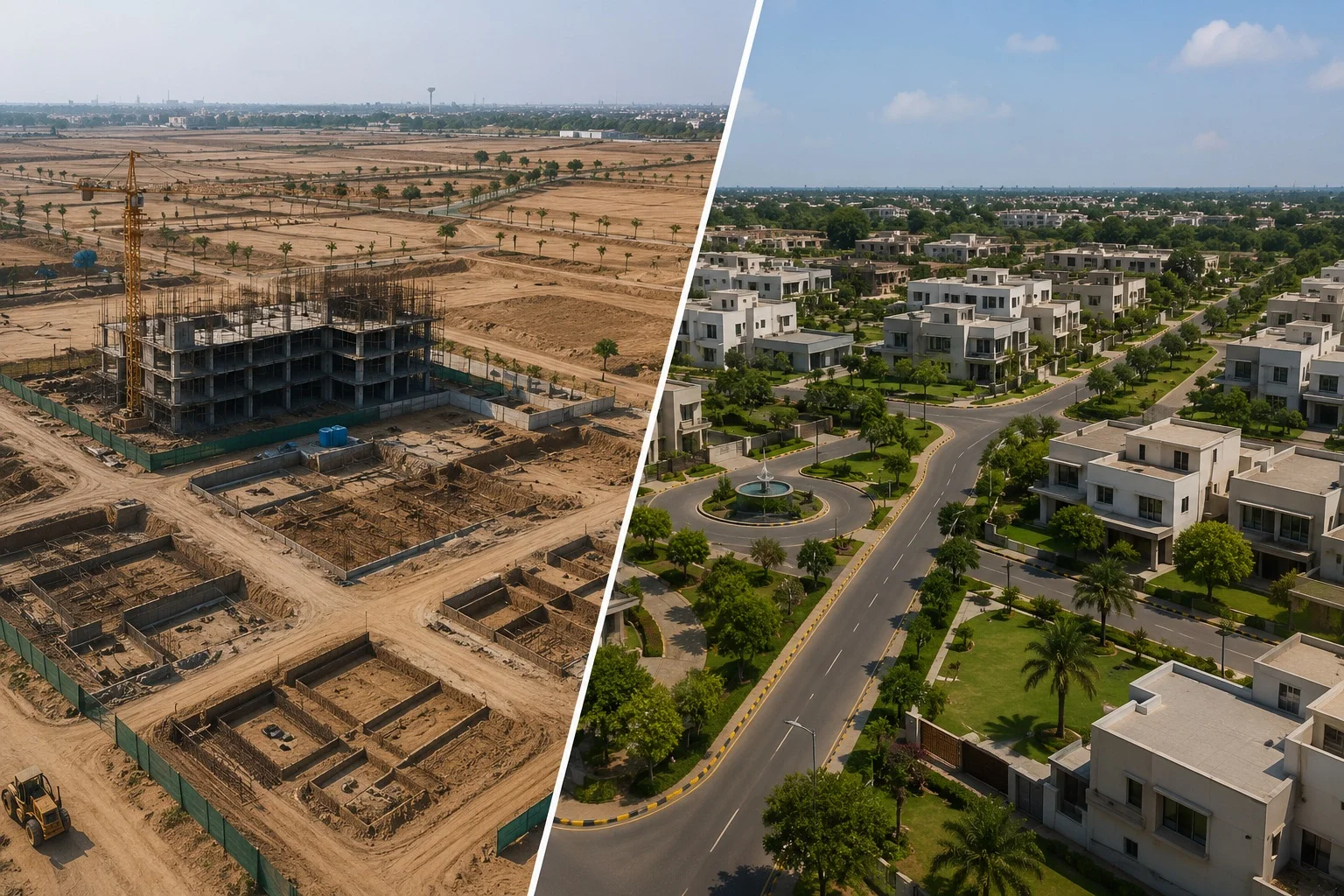
Both options have advantages, and the better choice depends on your priorities.
An under-construction housing society generally offers lower prices, flexible payment plans, and greater potential for long-term appreciation. However, buyers must be prepared for construction delays and a higher level of investment risk.
A developed housing society, on the other hand, provides completed infrastructure, immediate possession, and reduced uncertainty. While prices are usually higher, buyers gain greater confidence in the project’s completion and available facilities.
If your goal is long-term investment and you are comfortable waiting for development, an under-construction project may offer better growth potential. If you need immediate use of the property, a developed society may be the safer option.
Who Should Consider Investing?
Investing in an under-construction housing society may be suitable for:
- Long-term investors seeking capital appreciation.
- First-time buyers looking for affordable installment plans.
- Individuals planning to build a home in the future.
- Investors willing to wait for project completion.
However, buyers who require immediate possession or prefer lower investment risk may benefit more from purchasing property in a completed housing society.
Tips for Safe Property Investment
Before making a final decision, keep these best practices in mind:
- Verify all legal documents before signing any agreement.
- Research the developer’s reputation and completed projects.
- Visit the project site personally whenever possible.
- Read the payment terms carefully.
- Keep records of every payment and official document.
- Avoid making decisions based solely on advertisements or social media promotions.
- Consult a qualified real estate or legal professional if you have any doubts.
Careful planning and proper verification can significantly reduce investment risks while increasing your chances of long-term success.
Conclusion
So, is investing in an under-construction housing society safe? The answer is yes, but only when you conduct proper research and verify every aspect of the project before investing.
Early investment can provide lower prices, flexible payment plans, and strong long-term returns. At the same time, buyers should remain aware of risks such as project delays, legal issues, and market fluctuations.
A successful property investment is not about choosing the cheapest option it is about selecting a legally approved project, working with a reputable developer, and making informed decisions based on careful due diligence. By evaluating the project’s legal status, development progress, and future growth potential, you can invest with greater confidence and improve your chances of achieving your financial goals.
Want to know more? Check out How to Verify a Housing Society Before Investing: A Complete Guide to Avoid Property Scams.
Like, share and comment: Facebook, Instagram, Youtube and TikTok.




Join The Discussion