

The Islamabad High Court (IHC) recently delivered a landmark ruling confirming that property sale gains in Pakistan are taxable under the capital gains law. In this regard, the IHC rules property sale gains taxable under clear legal provisions, resolving long-standing confusion over whether profits from the sale of immovable property should be treated as business income or as capital gains under the Income Tax Ordinance 2001.
This ruling has significant implications for property owners, real estate investors, and developers in Pakistan, especially when it comes to taxation planning and compliance.
Understanding Capital Gains Tax on Property in Pakistan
Capital gains tax (CGT) is applied to profits earned from the sale of capital assets, including immovable property, such as land, houses, and commercial buildings. In Pakistan, Section 37(1A) of the Income Tax Ordinance specifically governs taxation of gains arising from the sale of property.
Before this ruling, there was some ambiguity. Many taxpayers and even authorities debated whether property sales by individuals or non-dealers should fall under business income tax (Section 18) or capital gains tax (Section 37(1A)). The IHC verdict now clearly establishes that capital gains provisions override business income classification for property sales.
Key Highlights of the IHC Ruling
The IHC ruling addresses multiple aspects of property taxation:
Capital Gains Take Precedence
The court confirmed that Section 37(1A) has a specific application to property sale gains, and it overrides any general provisions regarding business income. This ensures that gains from occasional sales of property by individuals are taxed under capital gains law, not as regular business profits.
Impact on Individual Property Sellers
Individuals selling property they own, rather than engage in business activity, will now have their profits taxed as capital gains. This often results in different tax rates and exemptions compared to business income taxation.
Clarity for Real Estate Investors
Investors and property developers in Pakistan now have clear guidelines on how gains from property transactions are treated for tax purposes. The ruling reduces disputes with tax authorities and enhances transparency in real estate tax compliance.
Legal Precedence
By explicitly stating that capital gains provisions override business income tax, the IHC provides a strong legal precedent for future cases involving property sale gains in Pakistan. This will likely influence tax audits, appeals, and tribunal decisions.
How Property Sale Gains Are Taxed Under Capital Gains Law
Under the Income Tax Ordinance, Section 37(1A):
- Short-term gains: Gains from property sold within a specified short holding period are taxed at higher rates.
- Long-term gains: Property held for longer periods may be eligible for lower tax rates or exemptions.
- Cost basis: Tax is calculated on the difference between the sale price and the purchase price, adjusted for allowable expenses.
This method contrasts with business income taxation, where authorities often treat profits differently and do not consider holding periods or acquisition costs.
Difference Between Capital Gains and Business Income
Understanding the distinction is crucial:
| Aspect | Capital Gains | Business Income |
| Tax Law | Section 37(1A) | Section 18 |
| Applicability | Occasional property sales | Regular business activity or trade |
| Tax Calculation | Based on acquisition cost and sale price | Based on gross profit and revenue |
| Holding Period | Relevant for tax rate | Generally not considered |
| Impact | Often lower tax for individual sellers | Higher tax for real estate traders |
The IHC ruling confirms that the law protects ordinary property owners from taxation as business entities, as long as their transactions fall under capital gains provisions.
Implications for Real Estate Market in Pakistan
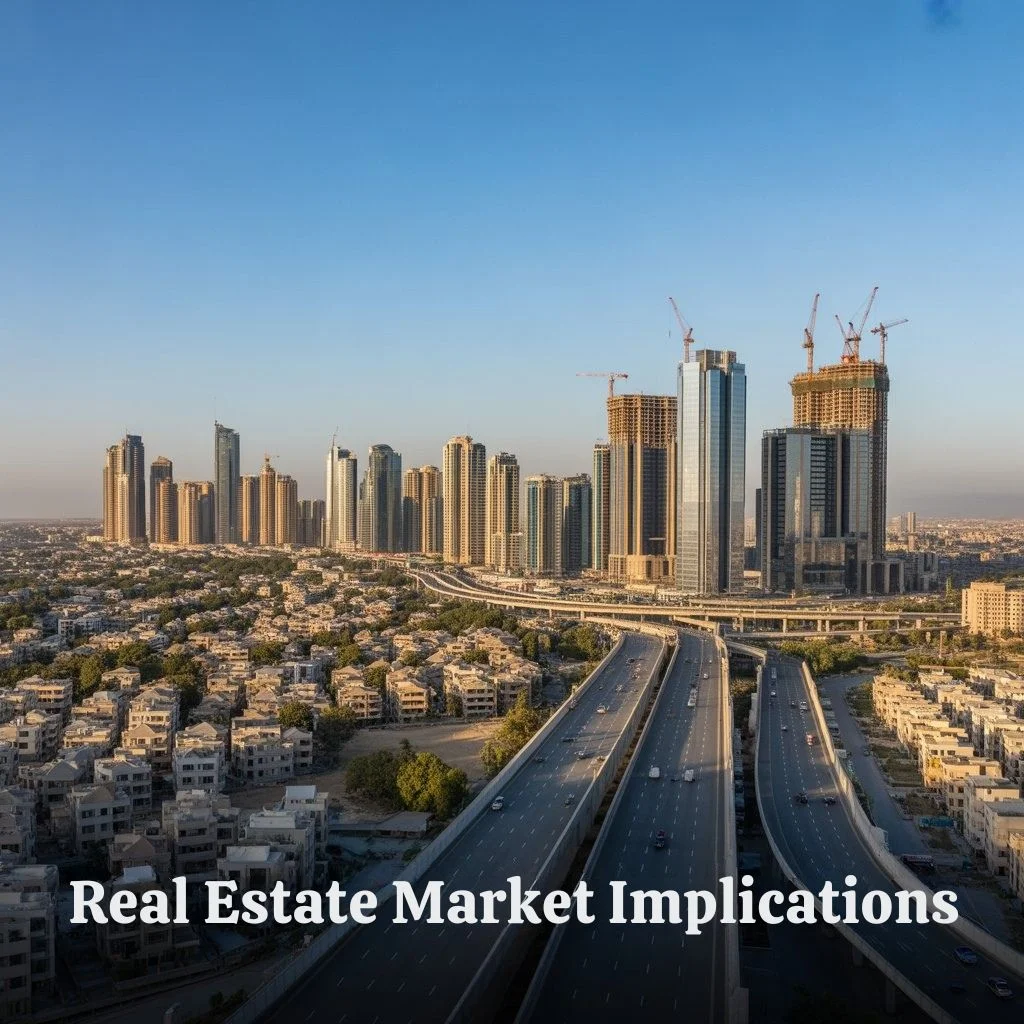
The IHC property ruling carries wide-ranging effects on the real estate sector:
- Enhanced Compliance: Property sellers must now maintain proper documentation of purchase and sale prices, including legal agreements and property valuations.
- Investor Confidence: Clear guidelines on capital gains taxation will increase trust in the real estate market, encouraging both domestic and foreign investment.
- Transparency in Property Transactions: By classifying occasional property sales under capital gains law, disputes with the Federal Board of Revenue (FBR) are likely to decrease.
- Strategic Planning for Property Sales: Sellers can plan sales more effectively, taking advantage of holding periods and exemptions under CGT rules.
Section 37(1A) vs Section 18: What You Need to Know
Many property owners previously feared that tax authorities could classify their gains under Section 18 as business income, resulting in higher tax rates and reduced flexibility.
The IHC decision makes it clear that:
- Section 37(1A) is specific to property sales, making it the default provision.
- Section 18 only applies if the seller is engaged in real estate business or frequent transactions beyond occasional sales.
- This distinction is crucial for accurate tax filing and legal compliance.
Tips for Property Owners After the IHC Ruling
To comply with the capital gains tax provisions:
- Maintain Records – Keep all sale agreements, purchase receipts, and valuation documents.
- Understand Holding Periods – Review short-term vs long-term capital gains rules to optimize tax liability.
- Consult Tax Professionals – Seek advice from tax advisors or chartered accountants familiar with Pakistan’s Income Tax Ordinance.
- Plan Sales Strategically – Consider timing and property valuation to minimize tax obligations legally.
By following these steps, property owners can avoid disputes with tax authorities and ensure compliance with the IHC ruling.
Conclusion
The IHC ruling clearly establishes that property sale gains in Pakistan are taxable under capital gains law, providing much-needed clarity for property owners and investors. By distinguishing capital gains from business income, this verdict ensures fair taxation, legal certainty, and transparency in the real estate market. Property sellers can now plan their transactions confidently, while the ruling strengthens overall investor confidence and stability in Pakistan’s real estate sector.
Want to know more? Check out IHC Matrimonial Property Ruling 2026: Impact on Pakistan Real Estate Market, Buyers & Investors
Like, share and comment: Facebook, Instagram, Youtube and TikTok.




Join The Discussion