

Investing in real estate in Pakistan is a top priority for many overseas Pakistanis. Whether you want to secure your family’s future, earn rental income, or benefit from property value appreciation, understanding the Overseas Pakistani Property Rules 2026 and property rules in Pakistan is essential. This guide explains how overseas Pakistanis can buy and sell property in Pakistan, manage taxes, and stay compliant with the latest updates for 2026.
Why Overseas Pakistanis Invest in Property
Overseas Pakistanis contribute significantly to Pakistan’s economy through remittances and real estate investment. Properties whether residential plots, homes, or commercial spaces remain attractive due to long-term growth potential. Many expatriates, however, have questions like:
- How do I buy property in Pakistan from abroad?
- What are the latest overseas Pakistani property rules?
- Are there tax benefits for overseas property owners?
This article provides a complete, step-by-step guide for buying and selling property while staying compliant with all regulations.
Understanding the Legal Framework
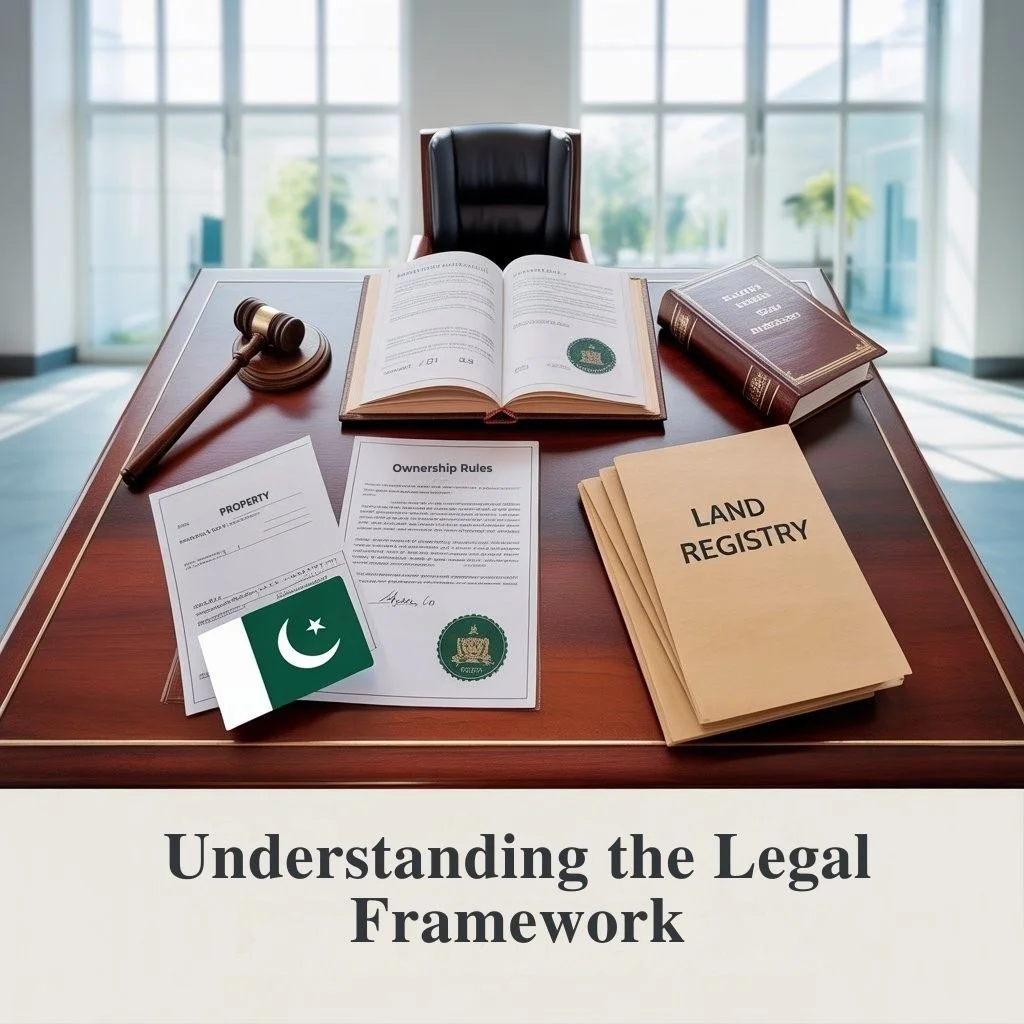
Before investing, you must know the eligibility and ownership rules for overseas Pakistanis.
Eligibility and Ownership Rights
Overseas Pakistanis holding a NICOP (National Identity Card for Overseas Pakistanis) or Pakistan Origin Card (POC) can buy and sell most residential and commercial properties in Pakistan. Some provinces restrict agricultural land ownership, so always verify local rules.
Key requirements:
- Valid NICOP or POC
- CNIC/NICOP recorded on all property documents
- Compliance with banking and FBR tax regulations
Maintaining proper documentation ensures your property rights are secure and legally recognized.
Step-by-Step Guide: Buying Property in Pakistan (2026)
Buying property from abroad is straightforward when you follow these steps:
1. Research and Choose Location
Select a city based on investment goals. Faisalabad, Lahore, Islamabad, and emerging cities offer diverse options for overseas property investment. Consider accessibility, resale potential, and future development.
2. Opt for Approved Projects
Purchase in approved housing societies or developments. Approved projects ensure legal compliance and avoid disputes over encroachments or illegal plots.
3. Verify Property Documents
Check for:
- Clear title deed
- No encumbrances or pending disputes
- NOC from relevant authorities
Verification protects you from fraud and ensures smooth future sales.
4. Fund Transfers via Banks
Transfer all payments through official banking channels, preferably through a NICOP-linked Pakistani bank account. This guarantees:
- Traceable funds
- Compliance with FBR tax rules
- Eligibility for filer rate benefits
Avoid cash transactions, which can create legal and tax complications.
5. Sign Sale Agreement and Register
After agreeing on terms, sign a sale agreement and proceed to register the property at the sub-registrar office. Registration legally transfers ownership, protecting your rights as an overseas Pakistani investor.
Step-by-Step Guide: Selling Property from Abroad
Selling property is just as systematic. Follow these steps for smooth transactions:
1. Appoint a Local Representative
Use a Power of Attorney (PoA) to authorize a lawyer or trusted family member to handle legal and administrative procedures.
2. Determine Market Value
Accurate valuation ensures you receive a fair price and helps with FBR compliance.
3. Find a Verified Buyer
Use reputable agents or online platforms to connect with buyers. Verify identity and financial capability to avoid fraud.
4. Receive Payment via Bank
Ensure payment is made through official bank channels. This safeguards funds and maintains tax compliance.
5. Register the Sale Deed
Your representative registers the deed, pays stamp duty and 236-K tax, and completes the transaction legally. Registration ensures the property is officially transferred to the buyer.
Tax Tips for Overseas Pakistanis (2026 Updates)
Proper tax planning can save money and prevent penalties.
1. Advance Tax on Transactions
Overseas Pakistanis with NICOP or POC may benefit from filer rates for advance tax on buying and selling property, which are lower than non-filer rates.
2. Capital Gains Tax (CGT)
Selling property for a profit may incur CGT. Rates depend on:
- Property holding period
- Filer status
- Previous tax filings in Pakistan
3. Stamp Duty and Registration Fees
Pay stamp duty and registration fees promptly. These vary by province and are mandatory for legal property transfer.
4. Declare Market Value
FBR now requires actual market value declaration in tax returns, preventing undervaluation and disputes.
Key Challenges for Overseas Pakistanis and How to Overcome Them
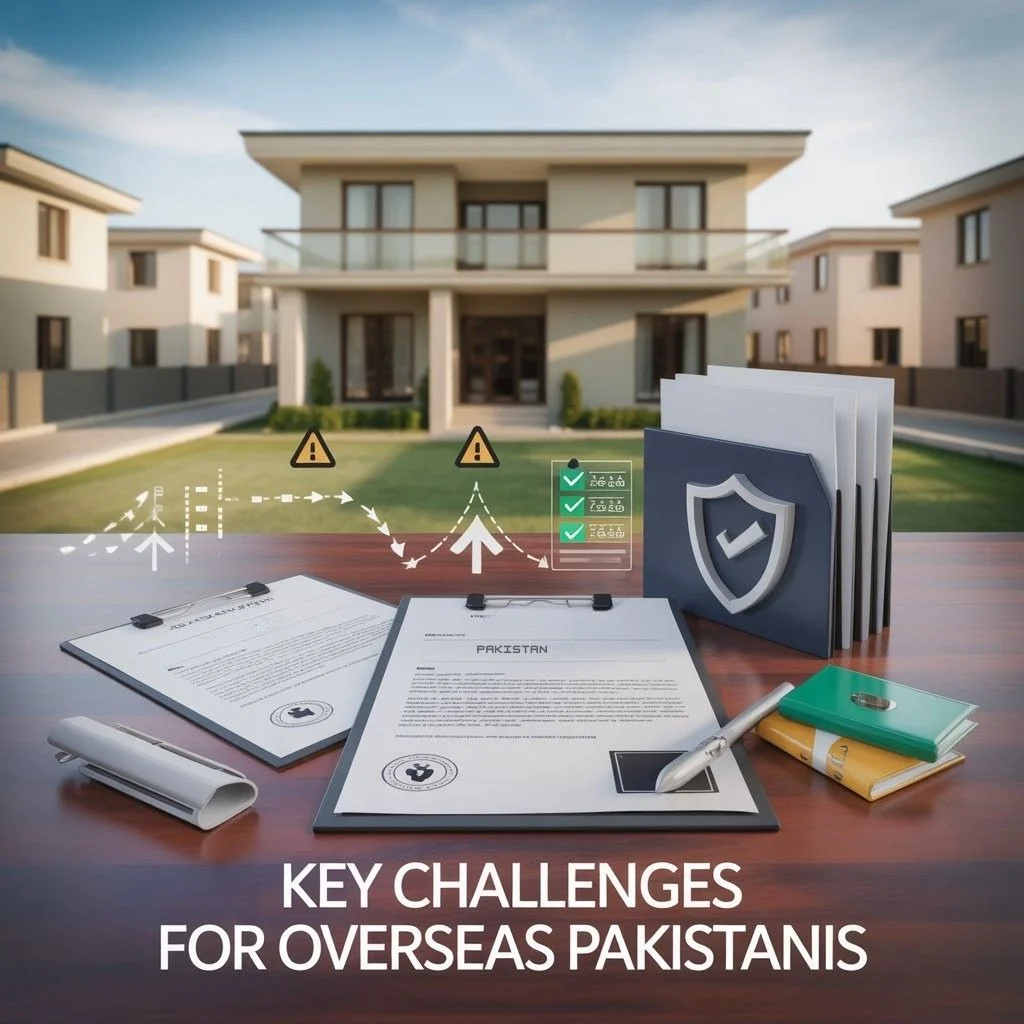
Investing from abroad comes with unique challenges. Knowing them helps you navigate property transactions safely:
1. Verifying Property Legitimacy
Always check for clear title deeds, approved societies, and NOCs. Working with a trusted lawyer or agent ensures your investment is safe.
2. Managing Remote Transactions
Being overseas complicates paperwork. Use a Power of Attorney (PoA) for legal representation in Pakistan.
3. Navigating Taxes and Compliance
Understand FBR rules, advance tax, capital gains tax, and stamp duties. NICOP or POC holders can benefit from lower filer rates, making tax compliance easier.
4. Safe Fund Transfers
Transfer money via official banking channels linked to your NICOP. This avoids legal issues and ensures traceable funds.
5. Avoiding Encroachments and Disputes
Purchase in approved societies and verify ownership with Land Records Authorities. Recent government measures now provide fast resolution of illegal occupation complaints, increasing security for overseas investors.
By addressing these challenges proactively, overseas Pakistanis can buy, sell, and manage property confidently in Pakistan, making their investment secure and profitable.
Practical Tips for Overseas Investors
- Always use a Power of Attorney (PoA) if you cannot be present.
- Maintain detailed documentation, including agreements, receipts, bank transfers, and tax records.
- Stay updated on provincial stamp duty rules.
- Work with licensed real estate agents to avoid fraud.
- Prefer approved societies with verified NOCs for safer investments.
Conclusion
Property investment is one of the most rewarding avenues for overseas Pakistanis. By following the latest overseas Pakistani property rules 2026, you can buy and sell property in Pakistan confidently, manage taxes efficiently, and protect your investment. With proper planning, verified documentation, and bank-based transactions, overseas Pakistanis can enjoy secure, hassle-free real estate ownership in Pakistan.
Want to know more? Check out New Property Transaction Rule in Punjab: Buyer CNIC Now Mandatory – Complete Guide
Like, share and comment: Facebook, Instagram, Youtube and TikTok.



Join The Discussion