
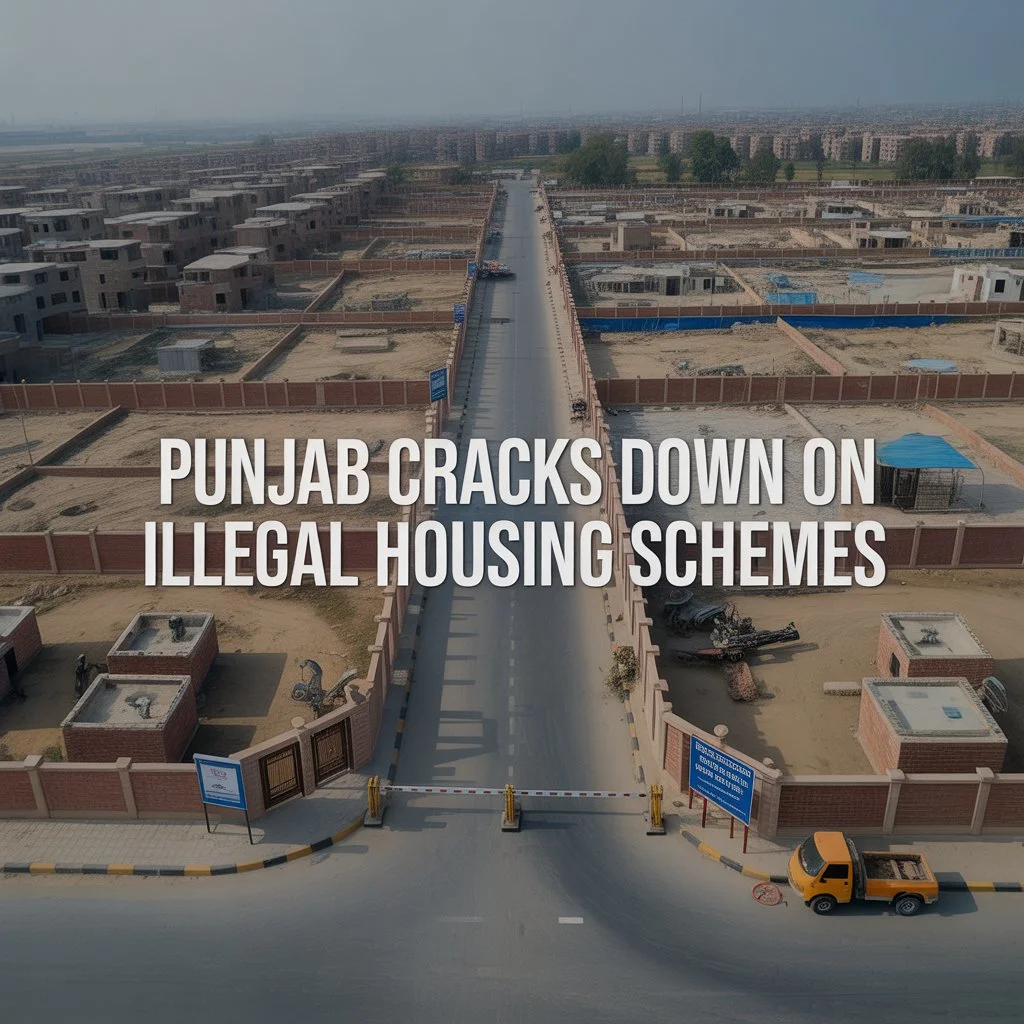
Punjab has recently taken decisive steps in the realm of Punjab housing, implementing comprehensive measures under Punjab illegal housing schemes stricter laws to address longstanding issues with unapproved developments. This bold shift reflects a commitment to reforming urban development practices and protecting citizens from losses caused by unscrupulous developers. The multifaceted strategy behind these reforms includes the introduction of updated housing laws, proactive enforcement actions, and new frameworks designed to strengthen transparency in Punjab real estate markets.
For decades, unregulated colonies and unauthorized developments have compromised the integrity of regional planning and caused financial distress for countless families. The proliferation of unapproved projects has underscored the need for robust housing regulations that align with sustainable growth. Recent policy changes demonstrate that the provincial administration is now prioritizing accountability and legal compliance over unchecked expansion.
From Property Fraud to Unplanned Expansion
One of the most pernicious consequences of lax oversight has been rampant property fraud. Buyers invest their life savings in plots or homes only to discover that the land lacks formal clearance or that essential services will never materialize. In many cases, the absence of strategic urban planning contributed to isolated enclaves with no basic infrastructure, jeopardizing safety and community well‑being.
Understanding the scale of the issue, policymakers turned their attention toward enhancing real estate laws across the province. These efforts seek not only to curb the ambitions of fraudulent developers but also to enable genuine investors and homebuyers to participate in a secure marketplace.
A New Legal Framework for Land Development Reform
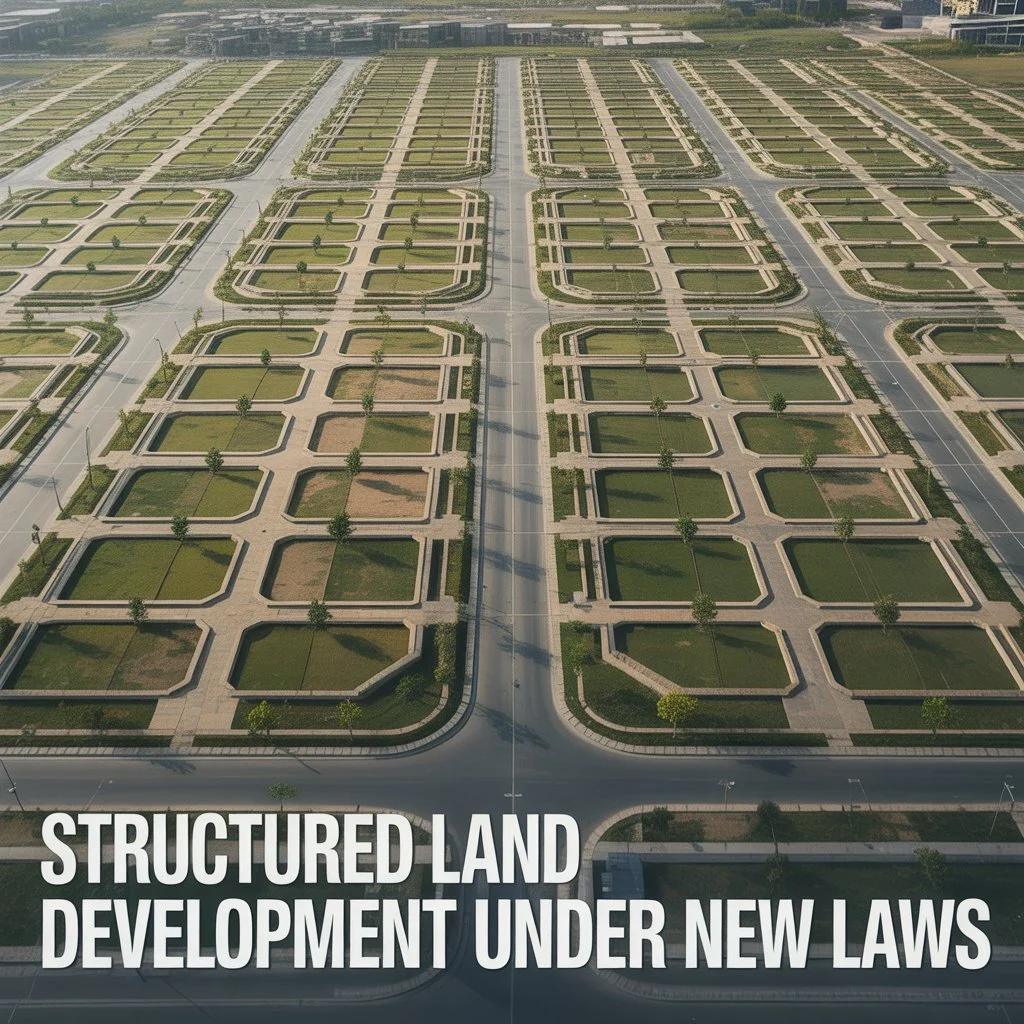
At the core of this transformation is a revamped legal structure for land development. The government’s initiative emphasizes preventive mechanisms rather than reactive responses. Under the new legal framework, developers must adhere to clear standards and face meaningful consequences if they fail to comply.
A crucial aspect of the reform is the establishment of transparent processes for project approval. These measures include clear timelines for review, mandatory disclosures of feasibility reports, and strict adherence to zoning norms. The aim is to eliminate ambiguity that previously allowed dubious schemes to slip through the cracks.
Long‑Term Strategies to Protect Buyers and Investors
As part of the broader reform agenda, the government introduced a set of Punjab stricter laws on illegal housing schemes intended to deter both current and future misconduct. These updated directives outline significant penalties for non‑compliance, including hefty fines, revocation of project permits, and criminal charges for willful misrepresentation.
To support law‑abiding developers, the administration also launched educational campaigns to inform the public about Punjab housing crackdown 2025 initiatives. These outreach efforts include informational sessions, online resources, and collaboration with community organizations to ensure that prospective buyers understand their rights before entering into any agreement.
What the New Housing Laws in Punjab Against Illegal Societies Mean
The core objective of these reforms is to prevent the kind of exploitation that made unauthorized projects so widespread. Under the new regime, local authorities can intervene earlier in the lifecycle of a development, conducting audits and requiring proof of compliance before approving any residential or commercial scheme.
Buyers will benefit from transparent documentation, allowing them to verify the status of a property through official channels. This system stands in stark contrast to the opaque practices that characterized the landscape prior to reform. Additionally, a digital registry platform will enable real‑time tracking of project status, ensuring that the public has access to accurate information at all times.
Steps Punjab Takes Against Unapproved Housing Schemes
Authorities have already begun enforcing these policies through targeted actions. Inspection teams are auditing multiple developments to assess compliance with building codes, infrastructure commitments, and environmental standards. Developers found guilty of breaches are being held accountable under the newly defined punitive measures.
At the same time, the government is working to rehabilitate affected communities by offering pathways to Punjab illegal housing schemes penalties and fines restitution or regularization, where feasible. This balanced approach addresses past harms while reinforcing the message that future violations will not be tolerated.
How Punjab Government Is Curbing Illegal Housing Schemes
The crackdown strategy is comprehensive. It includes inter‑agency collaboration, involving municipal officials, legal experts, and planning authorities to ensure that every aspect of real estate activity is monitored effectively. Regular audits will help detect discrepancies early, and enhanced reporting channels encourage citizens to flag suspicious activities.
Crucially, the government is also empowering local bodies to take swift action. This decentralization allows for quicker response times and localized solutions that respect community needs while safeguarding legal standards.
Punjab Illegal Housing Schemes Penalties and Fines Explained
Under the enhanced legal framework, penalties for violations have been significantly increased. Developers and brokers engaged in deceptive practices may face severe financial sanctions, suspension of licenses, or even prosecution. These measures signal a departure from the leniency that previously emboldened offenders.
Moreover, the new system ensures that enforced fines are not merely symbolic: collected penalties will be allocated to civil infrastructure improvements in affected areas, thereby offsetting some of the harm inflicted by prior mismanagement.
Punjab Real Estate Reforms for Illegal Society Regulation
The reforms extend beyond punitive action to encompass proactive tools for risk mitigation. Regular updates to real estate governance standards, stakeholder engagement forums, and ongoing policy reviews are now part of the standard operating procedure.
By fostering a collaborative environment, the government seeks to build trust between regulators, developers, and the public. This collaborative ethos is expected to increase investor confidence and encourage responsible development practices that respect both social and environmental considerations.
What Developers Face Under New Punjab Housing Laws
Developers operating within Punjab will now encounter a more rigorous approval process designed to weed out bad actors while supporting legitimate enterprises. Comprehensive documentation requirements, mandatory environmental impact assessments, and community consultation obligations form part of the new baseline for project commencement.
Those unwilling or unable to meet these benchmarks will find it increasingly difficult to launch or sustain questionable projects, thereby elevating the overall quality of housing offerings in the region.
Protecting Property Buyers From Illegal Housing Scams
Ultimately, the government’s mission is clear to protect citizens from how Punjab protects buyers from illegal housing scams and to foster a fair, transparent marketplace. Through improved oversight, informed consumer protections, and strategic enforcement, Punjab is charting a new course for sustainable urban expansion.
Looking ahead, continued vigilance will be crucial. As reforms take deeper root, ongoing evaluation and updates to policies will ensure that the system remains resilient against emerging risks.
Want to know more? Check out New PERA Law in Punjab: Protect Your Property & Avoid Real Estate Fraud
Like, share and comment: Facebook, Instagram, Youtube and TikTok.



Join The Discussion