
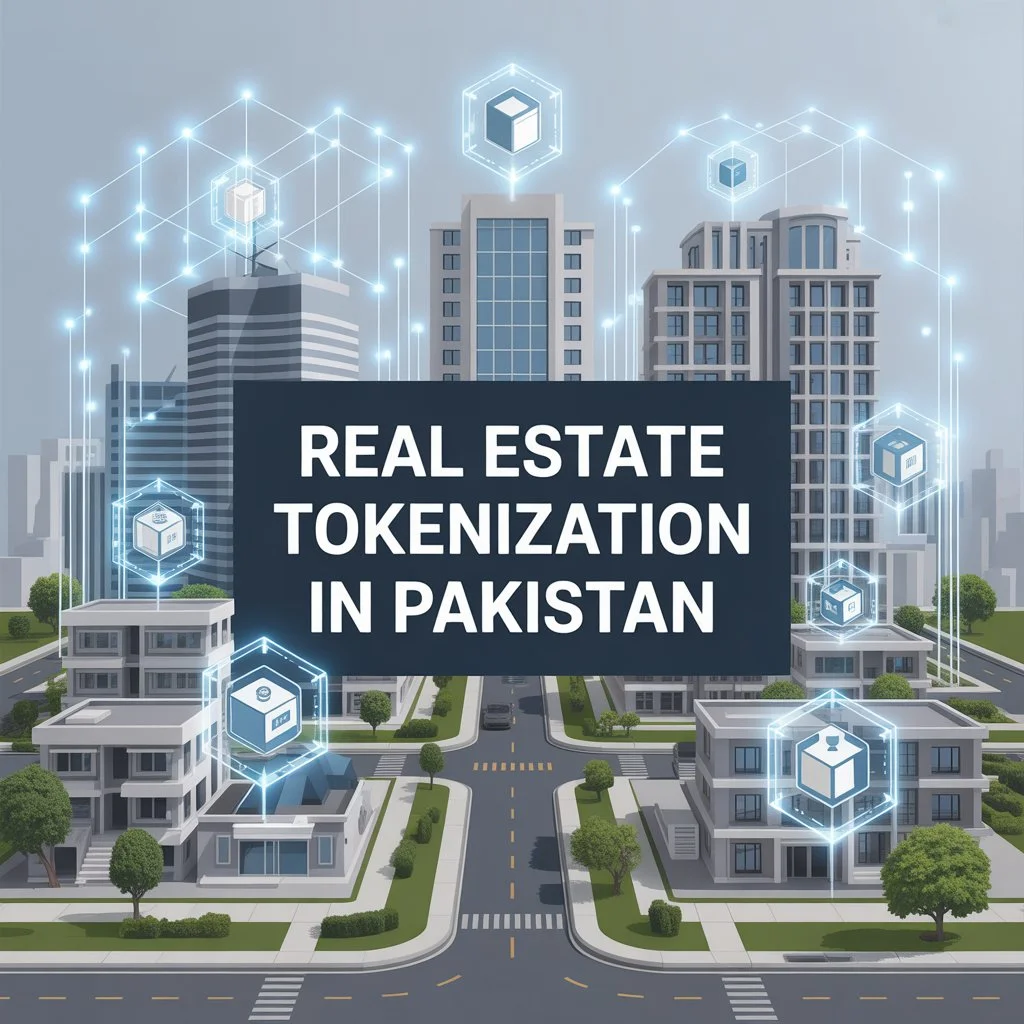
Pakistan’s real estate sector is standing at the edge of a major digital transformation. Traditionally known for high entry costs, paperwork delays, and limited transparency, the property market is now witnessing a new concept that could reshape property investment in Pakistan real estate tokenization. As blockchain technology gains attention worldwide, Pakistan is also exploring how digital real estate and fractional ownership can unlock new opportunities for local and overseas investors.
This shift marks the beginning of a new era where property investment is no longer restricted to wealthy buyers or large developers. Instead, technology is opening doors for broader participation, smarter investment models, and increased transparency.
Understanding Real Estate Tokenization
Real estate tokenization is the process of converting physical property into digital tokens using blockchain technology. Each token represents a fractional share of a real estate asset, allowing investors to own a portion of a property rather than purchasing it outright. This concept falls under real-world asset tokenization, a growing global trend in fintech and proptech innovation.
In simple terms, instead of buying an entire apartment, plot, or commercial building, investors can buy small digital units linked to the property’s value. This approach introduces fractional ownership, making real estate more accessible and flexible.
Why Tokenization Matters for Pakistan’s Property Market
The Pakistan property market has long been considered a stable investment option, but it comes with challenges. High property prices, lack of liquidity, and risks related to documentation often discourage small investors. Real estate tokenization in Pakistan aims to address these issues by modernizing how properties are bought, sold, and managed.
With blockchain-based property investment, records are stored securely, reducing the risk of fraud. Smart contracts automate transactions, ensuring that ownership transfers and profit distributions are transparent and tamper-proof. This level of clarity can significantly improve trust in the real estate market.
Fractional Ownership: Lowering the Entry Barrier
One of the biggest advantages of tokenized property investment in Pakistan is lower entry costs. Traditional real estate investment often requires large capital, which excludes many potential investors. Through fractional ownership, individuals can invest smaller amounts while still gaining exposure to high-value assets.
This model is especially attractive for:
- Young investors entering the property market
- Middle-income buyers seeking investment diversification
- Overseas Pakistanis looking for secure property investment options
By enabling affordable property investment in Pakistan, tokenization supports financial inclusion and widens participation in the real estate sector.
The Role of Blockchain and Smart Contracts
Blockchain technology plays a central role in real estate digitization. Every transaction related to tokenized real estate is recorded on a decentralized ledger, ensuring data accuracy and transparency. Smart contracts automatically execute predefined conditions, such as rental income distribution or resale transactions.
For investors, this means:
- Secure property transactions
- Reduced dependency on intermediaries
- Faster processing times
- Clear ownership records
These features align with global trends in digital investment platforms and smart real estate solutions.
Regulatory Developments and SECP’s Role
For real estate tokenization to succeed, regulatory clarity is essential. In Pakistan, the Securities and Exchange Commission of Pakistan (SECP) has taken initial steps by allowing fintech and proptech startups to operate within a regulatory sandbox. This controlled environment helps test blockchain-based property investment models while ensuring investor protection.
Although tokenized real estate is still in its early stages, these developments indicate that Pakistan is moving toward structured digital investment solutions. As regulations evolve, tokenization could integrate with existing systems like the Pakistan Stock Exchange, further strengthening market confidence.
Benefits for Property Investors
Tokenized real estate offers multiple advantages for modern investors:
1. Improved Liquidity
Unlike traditional property, which can take months to sell, digital real estate tokens can potentially be traded more easily, improving liquidity in the market.
2. Transparency and Security
Blockchain ensures secure property transactions with immutable records, reducing disputes and fraudulent activities.
3. Investment Diversification
Investors can spread their capital across multiple properties instead of locking funds into a single asset.
4. Overseas Investment Opportunities
For overseas Pakistanis, tokenized property investment provides a regulated and transparent way to invest back home without dealing with complex on-ground processes.
Challenges and Risks to Consider
Despite its potential, real estate tokenization in Pakistan is not without challenges. Regulatory uncertainty, limited public awareness, and technological adoption remain key hurdles. Investors must also understand that tokenized assets still depend on the underlying property’s performance and legal status.
Clear laws, investor education, and collaboration between regulators and private platforms will be crucial for sustainable growth in this emerging real estate trend.
Impact on the Future of Pakistan’s Real Estate Sector
As Pakistan explores blockchain adoption in real estate, tokenization could transform the sector in several ways. It may attract foreign capital, improve documentation standards, and encourage proptech innovation across major cities like Karachi, Lahore, and Faisalabad.
In the long term, tokenization could help formalize the property market, reduce reliance on informal transactions, and create alternative property investment opportunities aligned with global standards.
A New Chapter for Property Investment in Pakistan
Pakistan’s exploration of real estate tokenization signals a shift toward a more transparent, inclusive, and technology-driven property market. While still in its early stages, this innovation has the potential to redefine how people invest in real estate, making it smarter, safer, and more accessible.
For property investors seeking future-ready investment models, tokenized real estate represents more than just a trend it represents the evolution of the Pakistan property market into the digital age.
Want to know more? Check out Is Real Estate Still a Safe Investment in Pakistan After New Taxes?
Like, share and comment: Facebook, Instagram, Youtube and TikTok.


Join The Discussion