
Building a house or commercial property is one of the biggest financial investments most people make. Whether you’re constructing your dream home or managing a commercial project, staying within your planned budget is a top priority. However, even a small oversight during planning or construction can lead to unexpected expenses that significantly increase your overall costs. Understanding common construction mistakes before starting your project can help you avoid costly errors, improve efficiency, and keep your building budget under control.
Many homeowners assume that rising material prices are the only reason construction costs exceed the budget. In reality, poor planning, design changes, contractor issues, and low-quality materials are among the most common construction mistakes that drive up expenses.
Understanding these costly errors before starting your project can help you save money, reduce delays, and ensure a smoother construction process. Below are ten common construction mistakes that can increase your building budget and practical ways to avoid them.
1. Starting Construction Without Proper Planning
One of the biggest construction mistakes is beginning work without a detailed plan. Rushing into construction without finalizing the design, budget, timeline, and material requirements often results in confusion and costly changes later.
A comprehensive construction plan should include:
- Architectural drawings
- Structural designs
- Material estimates
- Construction schedule
- Budget allocation
- Permit approvals
Investing time in planning helps prevent unnecessary expenses and keeps your project on track.
2. Underestimating the Construction Budget
Many property owners prepare a budget based only on basic construction costs and forget to include hidden expenses. Unexpected costs such as permit fees, utility connections, labor shortages, transportation charges, and price fluctuations can quickly exceed the original estimate.
To avoid budget overruns:
- Prepare a realistic cost estimate.
- Include a contingency fund of 10%–15%.
- Review current market prices for materials.
- Track expenses throughout the project.
Proper construction budgeting reduces financial stress and helps you make informed decisions.
3. Hiring the Cheapest Contractor
Choosing the lowest-priced contractor may seem like a smart way to save money, but it often leads to poor workmanship, project delays, and expensive repairs.
An experienced contractor provides:
- Better project management
- Quality workmanship
- Accurate cost estimation
- Compliance with building regulations
- Efficient labor management
Before hiring a contractor, check previous projects, customer reviews, licenses, and references instead of focusing only on price.
4. Using Low-Quality Construction Materials
Buying inexpensive materials can reduce initial expenses, but it often increases long-term maintenance and repair costs.
Low-quality materials may cause:
- Structural damage
- Water leakage
- Cracks in walls
- Roofing problems
- Frequent maintenance
Always purchase construction materials from trusted suppliers and choose products that meet industry quality standards. Durable materials improve the lifespan of your building and reduce future expenses.
5. Making Design Changes During Construction
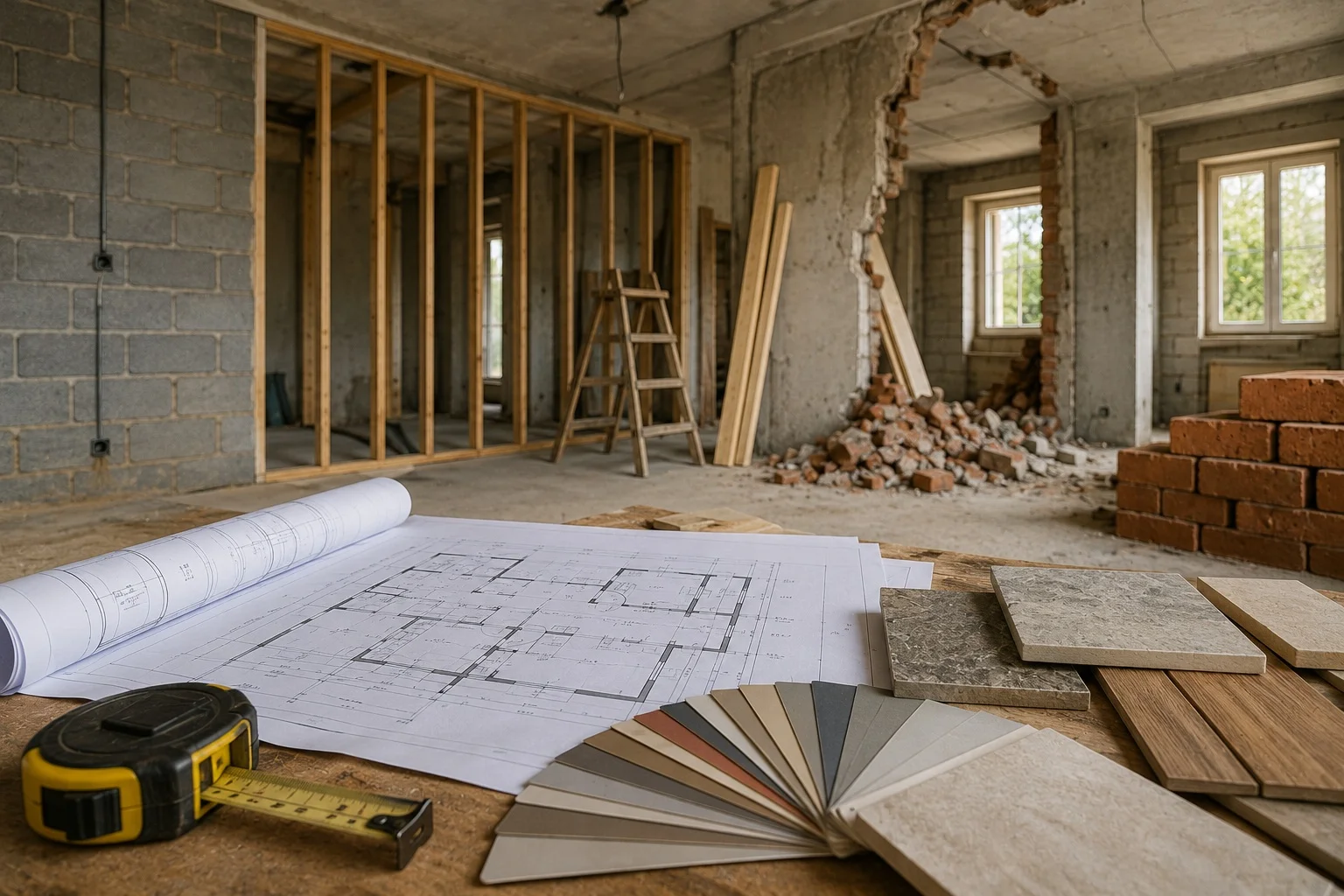
Changing floor plans, room layouts, or finishing materials after construction has started is one of the most expensive mistakes homeowners make.
Late design modifications often require:
- Demolition work
- Additional labor
- New materials
- Extended project timelines
Finalize all architectural and interior design decisions before construction begins. Careful planning helps prevent unnecessary delays and extra costs.
6. Ignoring Site Preparation
Proper site preparation is essential for a successful construction project. Skipping soil testing, land leveling, or drainage planning can create serious structural issues later.
Common site preparation mistakes include:
- Poor soil investigation
- Inadequate drainage
- Improper excavation
- Weak foundation preparation
Investing in professional site inspections before construction helps identify potential problems early and prevents costly foundation repairs.
7. Poor Construction Supervision
Even with skilled workers, construction projects require continuous supervision. Without regular inspections, mistakes may go unnoticed until they become expensive to fix.
Effective construction supervision helps ensure:
- Proper material usage
- Quality workmanship
- Compliance with design specifications
- Timely completion of work
Regular site visits by engineers or project managers help maintain quality control and reduce material wastage.
8. Ignoring Building Codes and Permit Requirements
Failing to obtain necessary permits or ignoring local building regulations can result in legal issues, fines, or even demolition orders.
Building codes exist to ensure:
- Structural safety
- Fire protection
- Electrical safety
- Plumbing standards
- Environmental compliance
Always obtain approvals before construction starts and work with professionals familiar with local regulations.
9. Poor Material Management
Construction materials represent a significant portion of the total project cost. Poor storage, improper handling, and inaccurate ordering often lead to unnecessary waste.
Material wastage commonly occurs because of:
- Weather damage
- Theft
- Over-ordering
- Poor inventory management
- Improper storage
Maintaining a material tracking system helps reduce losses and keeps construction costs under control.
10. Not Preparing for Unexpected Expenses
No construction project is completely free from surprises. Weather delays, labor shortages, supply chain disruptions, and market price increases can all affect your building budget.
A contingency fund allows you to manage unexpected situations without compromising project quality.
Financial experts generally recommend setting aside approximately 10%–15% of the total construction budget for unforeseen expenses.
Planning for uncertainties ensures your project continues smoothly even when unexpected challenges arise.
Additional Tips to Reduce Construction Costs
Besides avoiding the common construction mistakes mentioned above, you can further control your building budget by following these practical tips:
- Compare quotes from multiple contractors.
- Purchase materials in bulk when possible.
- Monitor construction progress regularly.
- Avoid unnecessary luxury upgrades.
- Hire qualified architects and engineers.
- Maintain clear communication with your contractor.
- Keep detailed records of all expenses.
- Schedule inspections at every major construction stage.
These simple practices can significantly improve cost management while maintaining construction quality.
Why Construction Budget Overruns Happen
Construction budget overruns usually occur because several small mistakes combine throughout the project. Poor planning, inaccurate estimates, weak project management, and unexpected design changes often have a greater financial impact than rising material prices alone.
By identifying potential risks early and following a structured construction plan, homeowners can minimize unnecessary spending and complete projects more efficiently.
Successful construction is not just about spending less it’s about making smart decisions from the planning stage through project completion.
Conclusion
Building a home or commercial property requires careful planning, disciplined budgeting, and informed decision-making. The most common construction mistakes such as poor planning, hiring inexperienced contractors, using low-quality materials, making last-minute design changes, and neglecting site preparation can significantly increase your building budget.
The good news is that most of these mistakes are entirely preventable. By preparing a realistic budget, working with experienced professionals, selecting quality materials, following building regulations, and monitoring progress throughout the project, you can reduce unnecessary expenses and improve the overall quality of your construction.
A successful construction project is not measured only by how quickly it is completed but also by how effectively it stays within budget while delivering long-lasting value. Taking the time to plan carefully today can save you thousands in avoidable costs tomorrow.
Want to know more? Check out 3 Marla vs 5 Marla Grey Structure Cost 2026 Pakistan – Complete Budget Guide.
Like, share and comment: Facebook, Instagram, Youtube and TikTok.




Join The Discussion