

Inheritance disputes can turn an emotional family situation into a complicated legal battle. Understanding how to protect property rights during inheritance disputes is essential for safeguarding your legal ownership and avoiding unnecessary conflicts. Whether a property is transferred through a will or under succession laws, disagreements among heirs often arise over ownership, property division, or the validity of legal documents. These conflicts can delay the transfer of assets, increase legal expenses, and strain family relationships.
Understanding your property rights during inheritance disputes is essential to protecting your interests and avoiding unnecessary complications. By following the correct legal procedures, maintaining proper documentation, and seeking professional advice when needed, you can safeguard your inheritance while reducing the risk of prolonged disputes.
Understand Your Legal Property Rights
The first step in protecting inherited property is understanding your legal rights. Property ownership after inheritance depends on several factors, including whether the deceased left a valid will, local succession laws, and the legal status of the property.
If a valid will exists, the property is generally distributed according to the deceased person’s wishes. If there is no will, succession laws determine how assets are divided among legal heirs.
Knowing your rights allows you to make informed decisions and respond appropriately if another party challenges your inheritance claim.
Verify Ownership Documents
One of the most effective ways to protect inherited property is by verifying all ownership documents before claiming the asset. Incomplete or inaccurate records can create confusion and increase the chances of legal disputes.
Important documents may include:
- Original title deed
- Property registration records
- National identity documents of legal heirs
- Death certificate
- Valid will, if available
- Succession certificate or inheritance certificate
- Tax payment records
Ensuring these documents are accurate and up to date helps establish legal ownership and simplifies the inheritance process.
Obtain a Succession or Inheritance Certificate
A succession certificate or inheritance certificate is often required to prove the legal rights of heirs. This document officially identifies who is entitled to inherit the deceased person’s assets.
Without this certificate, transferring property ownership may become difficult, especially when multiple heirs are involved. Applying for the certificate as early as possible can prevent unnecessary delays and reduce the possibility of inheritance disputes.
Register the Property Transfer Properly

Many inheritance problems occur because families delay updating official property records after the owner’s death.
Once the legal process is complete, transfer the ownership through the relevant land or property registration authority. Proper registration ensures that government records accurately reflect the new owner’s name.
Failure to update ownership records may create future legal complications when selling, leasing, or transferring the property.
Resolve Family Disagreements Early
Family property disputes often begin because of misunderstandings rather than legal issues. Open communication among heirs can prevent small disagreements from becoming lengthy court cases.
Before taking legal action, consider discussing matters with all family members to reach a fair agreement. Many inheritance disputes can be resolved through negotiation, reducing legal costs and preserving family relationships.
If discussions become difficult, mediation by a neutral third party may help both sides find a practical solution.
Ensure the Will Is Legally Valid
If the deceased left a will, verify that it meets all legal requirements before relying on it.
A legally valid will generally includes:
- The testator’s clear intentions
- Proper signatures
- Required witnesses
- No evidence of fraud or coercion
If the will is challenged, the court may examine its authenticity before distributing the inherited property.
Creating a legally sound will during one’s lifetime is one of the best ways to reduce future inheritance conflicts.
Keep Complete Records of Property Transactions
Maintaining detailed records strengthens your inheritance claim if a dispute arises later.
Useful records include:
- Property purchase documents
- Registration certificates
- Utility bills
- Property tax receipts
- Renovation invoices
- Previous ownership transfers
- Family settlement agreements
These documents provide evidence of ownership and help resolve disagreements more efficiently.
Avoid Informal Family Agreements
Many families rely on verbal promises regarding inherited property. While these arrangements may seem convenient, they often become difficult to prove if disagreements arise.
Instead, ensure every agreement regarding property division is documented in writing and signed by all involved parties where legally appropriate.
Written agreements reduce misunderstandings and provide valuable evidence if legal proceedings become necessary.
Seek Legal Advice When Necessary
Inheritance laws can be complex, especially when multiple heirs, jointly owned properties, or disputed wills are involved.
Consulting an experienced property lawyer can help you:
- Understand inheritance laws
- Verify legal documents
- Protect your ownership rights
- Handle court proceedings
- Resolve inheritance claims
- Complete property transfers correctly
Professional legal guidance can prevent costly mistakes and improve the chances of a smooth resolution.
Protect Jointly Owned Property
Joint ownership sometimes creates additional complications after one owner’s death.
If a property has multiple owners, determine how ownership is legally structured and whether succession laws affect the remaining ownership shares.
Clarifying ownership percentages early helps prevent future conflicts among legal heirs.
Monitor Property Records Regularly
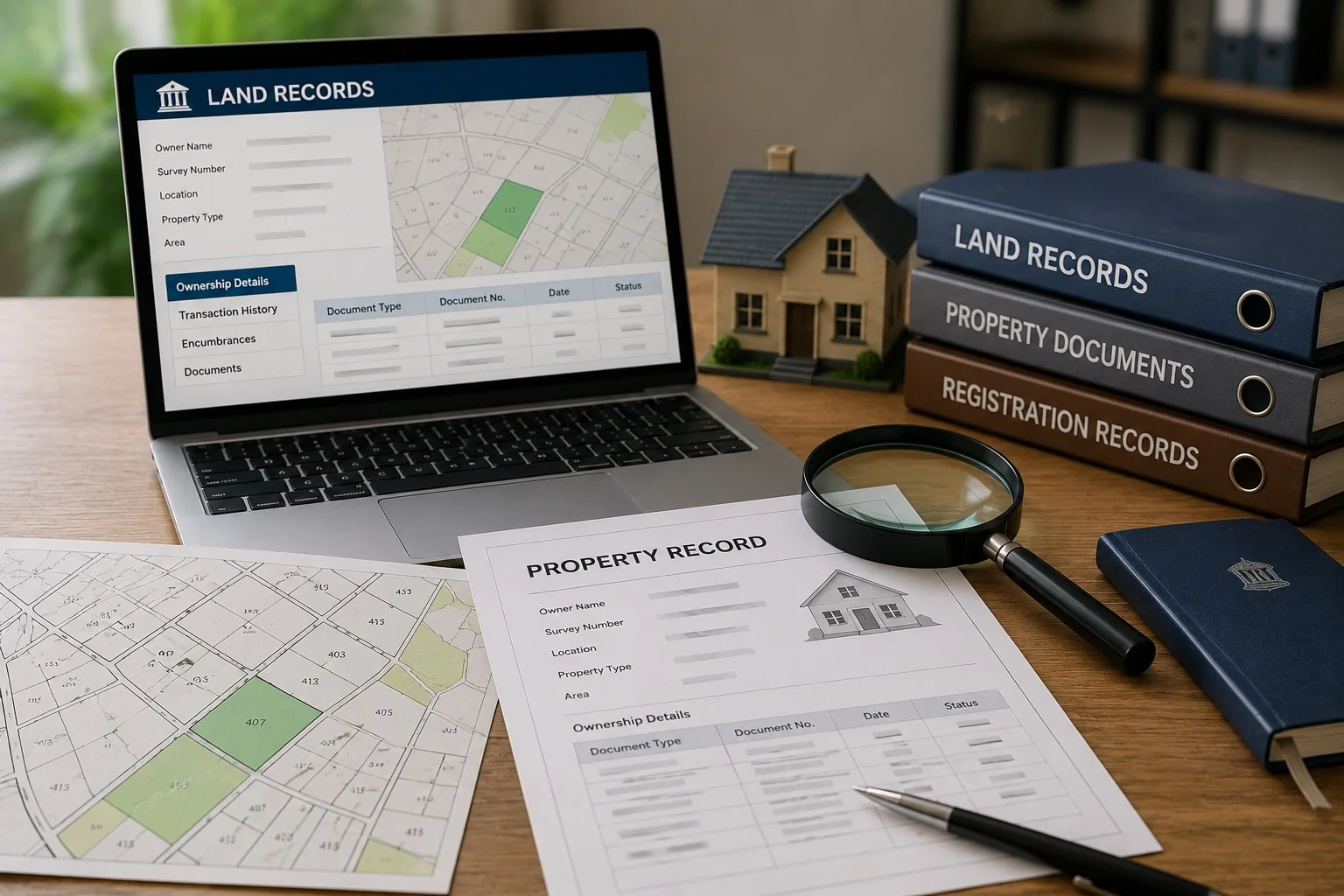
Even after inheriting property, continue checking official land records to ensure ownership information remains accurate.
Regular monitoring helps identify:
- Unauthorized ownership changes
- Fraudulent transfers
- Record errors
- Registration mistakes
Detecting issues early makes correcting them much easier.
Prevent Future Inheritance Disputes
Although not every disagreement can be avoided, proper planning significantly reduces legal risks.
Consider these preventive measures:
- Prepare a legally valid will.
- Keep ownership documents organized.
- Update property records promptly.
- Inform family members about estate plans.
- Document every property transaction.
- Use written family settlement agreements when appropriate.
- Consult legal professionals before major decisions.
Taking these steps protects both property rights and family relationships.
Common Mistakes to Avoid
Many inheritance disputes result from avoidable mistakes. Be careful not to:
- Ignore legal documentation.
- Delay property registration.
- Depend only on verbal agreements.
- Hide important ownership records.
- Delay applying for succession certificates.
- Ignore tax or registration obligations.
- Assume every family member understands the inheritance plan.
Avoiding these errors reduces legal uncertainty and protects your inheritance.
Conclusion
Protecting your property rights during inheritance disputes requires careful planning, accurate documentation, and a clear understanding of the legal process. Verifying ownership documents, obtaining the necessary succession certificates, updating property records, and resolving disagreements through communication or mediation can significantly reduce the risk of costly legal battles.
Whether you are inheriting residential, commercial, or agricultural property, acting promptly and following the correct legal procedures helps secure your ownership rights. If the situation becomes complex, seeking professional legal advice is a wise investment that can save time, money, and unnecessary stress.
By staying informed and proactive, you can protect your inherited property while ensuring the transfer process remains as smooth and transparent as possible.
Want to know more? Check out Punjab Property Ownership Protection Bill 2026: New Law to Stop Land Grabbing Explained.
Like, share and comment: Facebook, Instagram, Youtube and TikTok.




Join The Discussion