
Punjab has ordered a province-wide survey of dilapidated buildings after the monsoon season, putting renewed focus on building safety, property maintenance and the condition of older structures. The directive was issued by Punjab Chief Minister Maryam Nawaz Sharif during a meeting to review progress on the Punjab Development Programme (PDP).
The move is important for residential and commercial property owners because buildings that have deteriorated over time may become more vulnerable to heavy rainfall and other weather-related damage. The planned survey is intended to help authorities identify potentially unsafe structures and take timely measures to protect lives and property.
What Is the Punjab Dilapidated Buildings Survey?
The Punjab government has directed authorities to conduct a comprehensive survey of dilapidated buildings in every city of the province immediately after the monsoon season.
The announcement came during a broader review of urban development, drainage and sewerage projects. Deputy commissioners from across Punjab participated in the meeting, while officials presented progress reports on development schemes in several cities.
The government has not announced a detailed public procedure explaining how individual properties will be inspected or what specific enforcement measures will follow each assessment. Therefore, property owners should distinguish between the announced survey and any future notices or requirements issued by the relevant local authorities.
Why Is the Survey Important?
Monsoon weather can expose weaknesses in older or poorly maintained structures. Continuous rainfall, water accumulation, drainage problems and moisture penetration can worsen existing defects in walls, roofs, foundations and other parts of a building.
The government’s decision also comes against the backdrop of building-safety concerns during the recent monsoon season. Business Recorder reported that the chief minister highlighted the response to the Baghbanpura building collapse while praising officials involved in rescue operations.
A post-monsoon building survey can therefore help authorities identify structures that may require closer inspection, repair or other safety measures.
For property owners, the development is a reminder that maintaining a building is not only about preserving its market value. It is also about ensuring that the structure remains safe for residents, tenants, customers and visitors.
What Should Property Owners Do Now?
Property owners should not wait for an official inspection before checking the condition of their buildings. A basic post-monsoon assessment can help identify problems early.
Owners should pay particular attention to:
- Cracks in walls, columns or beams
- Water seepage and dampness
- Damaged or weakened roofs
- Signs of foundation movement
- Loose plaster or masonry
- Damaged balconies, staircases or boundary walls
- Standing water around the building
- Blocked drainage systems
- Corrosion in exposed structural components
- Doors or windows that suddenly become difficult to open or close
Not every crack or sign of dampness means a building is structurally unsafe. However, significant or worsening defects should be assessed by a qualified structural engineer or other appropriate professional.
Keep Property Documents and Maintenance Records Ready
Owners of older properties should also keep their property and building-related documents organised.
These may include ownership documents, approved building plans where applicable, previous inspection reports, repair records and records of major renovation work.
Maintaining such documentation can make it easier to demonstrate the property’s history and understand what work has previously been carried out.
Property owners should also avoid making major structural alterations without obtaining the required approvals. Removing walls, modifying columns or making unplanned changes to a building can create additional safety risks.
Could the Survey Affect Property Values?
The impact on property values will likely vary from one building and location to another.
Properties found to be well-maintained and structurally sound could benefit from greater buyer confidence as awareness of building safety increases. On the other hand, buildings requiring substantial repairs could face additional maintenance costs or greater scrutiny.
For investors, this makes property inspection an important part of due diligence, particularly when considering older residential buildings, commercial properties or structures in established urban areas.
A low purchase price should not automatically be considered a good investment if the property requires extensive structural repairs after purchase.
What Happens If a Building Is Found to Be Unsafe?
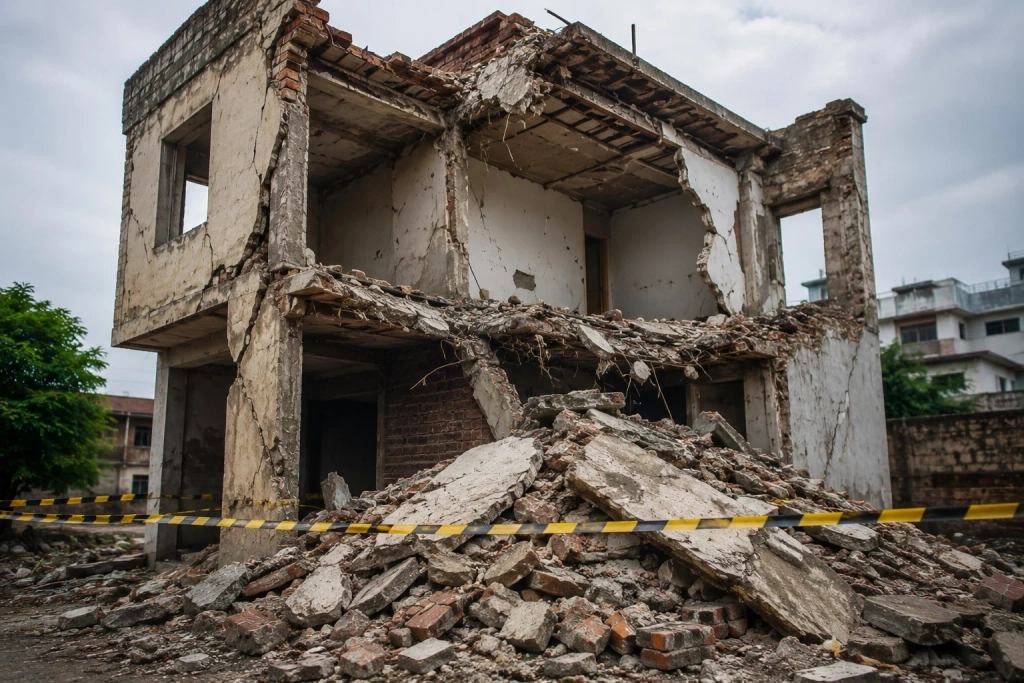
The government’s August announcement establishes the survey but does not provide a detailed province-wide procedure for every building identified as dilapidated. Property owners should therefore avoid assuming that every old building will automatically face demolition or closure.
The appropriate response may depend on the building’s actual condition, location, applicable regulations and the findings of the relevant authorities.
Where a structure presents a serious safety risk, authorities may take measures under applicable laws and local-government regulations. Owners should carefully review any official notice they receive and seek professional or legal advice where necessary.
Connection With Punjab’s Urban Development Programme
The building survey is part of a wider focus on urban infrastructure and development.
During the same meeting, the Punjab government reviewed progress on the Punjab Development Programme Phase-I and ordered its early completion. Officials also discussed sewerage and drainage projects and were asked to prepare an impact assessment.
The meeting was told that underground storage tanks were fully operational in 29 cities, while construction was underway in another 21. The government also highlighted improvements in drainage following the installation of new sewerage systems in several cities.
Better drainage is particularly relevant to building safety because persistent water accumulation can contribute to deterioration of structures over time.
What This Means for Buyers and Investors
The announcement also has implications for people planning to buy property in Punjab.
Before purchasing an older building, buyers should look beyond location, price and rental potential. The physical condition of the structure should also be considered.
A buyer can ask:
- How old is the building?
- Has it undergone major repairs?
- Are there visible structural cracks?
- Has the property experienced water damage?
- Is the drainage system functioning properly?
- Have major alterations been made?
- Are relevant approvals and documents available?
- Has the building previously been inspected?
These checks can help buyers avoid unexpected repair expenses and identify potential safety concerns before completing a transaction.
A Reminder About Property Maintenance
The Punjab dilapidated buildings survey should not be viewed only as a government inspection exercise. It also highlights the importance of regular property maintenance.
Owners can reduce long-term risks by addressing leaks, drainage problems, damaged roofs and other defects before they become more serious. Routine inspections are particularly valuable after periods of heavy rainfall.
For commercial property owners, regular maintenance is equally important because unsafe conditions can affect employees, customers, tenants and neighbouring properties.
Frequently Asked Questions (FAQs)
1. Why is Punjab conducting a survey of dilapidated buildings?
Punjab has ordered a post-monsoon survey to identify dilapidated and potentially unsafe buildings and help authorities take timely measures to protect lives and property.
2. When will the survey of dilapidated buildings take place in Punjab?
The survey is expected to be conducted across Punjab after the monsoon season, as directed by the provincial government.
3. What should property owners do before the building survey?
Property owners should inspect their buildings for structural cracks, water seepage, roof damage, weakened walls and drainage problems. Serious concerns should be assessed by a qualified professional.
4. Will every dilapidated building in Punjab be demolished?
No. Being old or showing signs of deterioration does not automatically mean a building will be demolished. Any action will depend on the building’s condition, inspection findings and applicable regulations.
5. How can property buyers check whether an old building is safe?
Buyers should inspect the building’s structural condition, check for water damage and major cracks, review repair records and, where necessary, obtain a professional structural assessment before purchasing.
Conclusion
Punjab’s decision to survey dilapidated buildings after the monsoon places building safety and property maintenance firmly on the urban development agenda. The province-wide survey is intended to help authorities identify deteriorating structures and support timely action to protect lives and property.
For property owners, the most practical response is to take a proactive approach. Inspect the building after the monsoon, address visible defects, maintain drainage systems and seek professional advice when structural problems are suspected.
For buyers and investors, the announcement is another reason to include building condition and structural safety in property due diligence. A property may have an attractive location and price, but its long-term value also depends on whether the building itself is safe, properly maintained and suitable for continued use.
Want to know more? Check out Government Construction Reforms in Pakistan: Impact on Property Market.
Like, share and comment: Facebook, Instagram, Youtube and TikTok.




Join The Discussion