
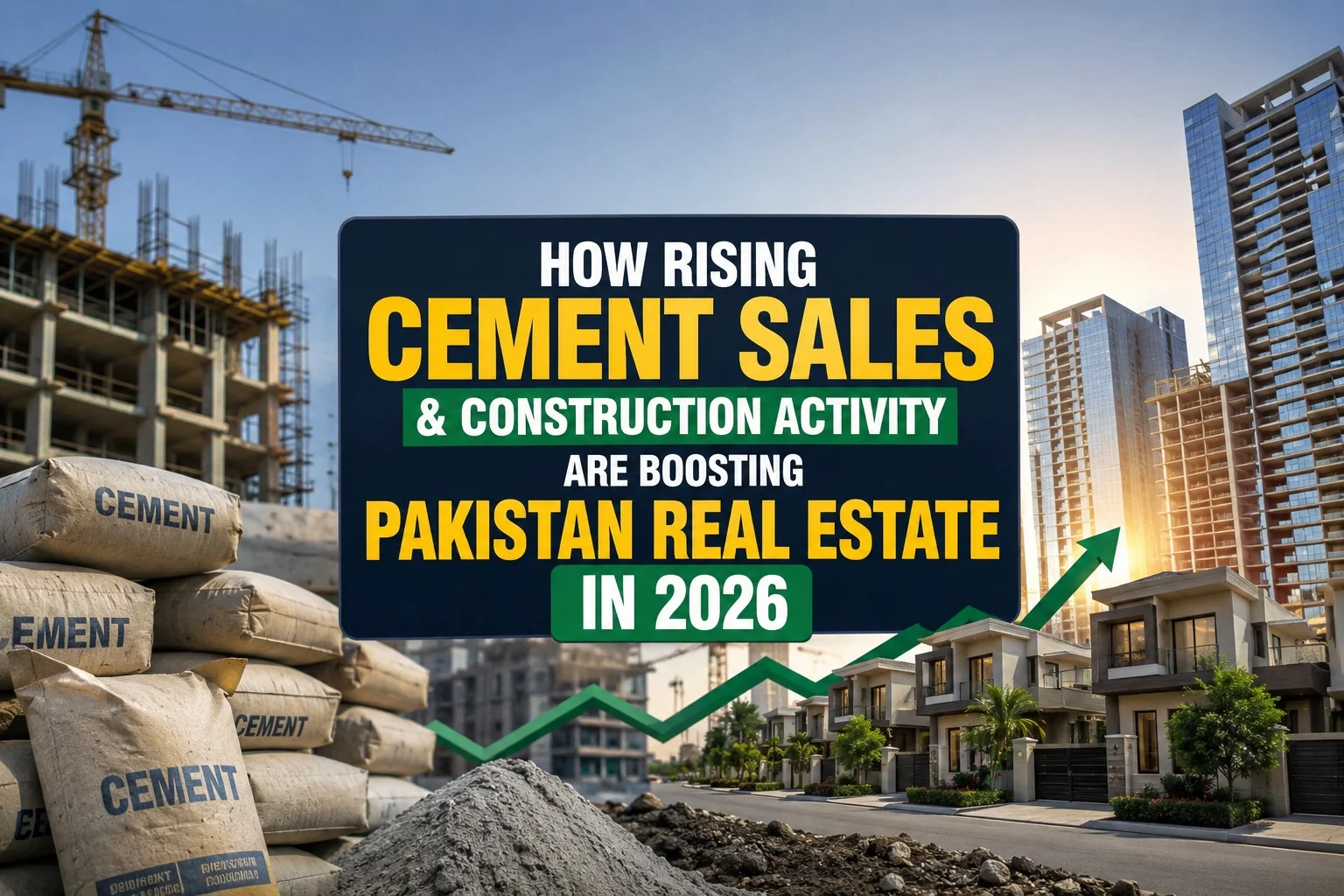
Pakistan real estate in 2026 is experiencing strong momentum, driven by a powerful combination of rising cement sales and increased construction activity. These two indicators are among the most reliable signals of growth in any property market, as they directly reflect development, infrastructure expansion, and housing demand.
As cement consumption increases across Pakistan, it clearly shows that construction projects ranging from housing societies to commercial developments are actively expanding. This growth is not only reshaping urban landscapes but also creating new opportunities for investors in the real estate sector.
Rising Cement Sales in Pakistan: A Strong Economic Indicator
Cement is the backbone of construction. When cement sales in Pakistan increase, it signals that development activity is accelerating across residential, commercial, and infrastructure sectors.
In 2026, the rise in cement demand is mainly driven by:
- Expansion of housing societies in major cities
- Government infrastructure and development projects
- Private sector real estate investments
- Urbanization and population growth
This steady increase in cement consumption confirms that Pakistan’s construction industry is active and expanding, which directly supports the growth of the real estate market.
Construction Activity Driving Real Estate Growth in 2026
The construction sector in Pakistan plays a central role in shaping property supply and demand. When construction activity increases, it leads to more housing units, commercial plazas, and mixed-use developments.
Major cities such as Faisalabad, Lahore, Karachi, and Islamabad are witnessing rapid development in:
- Gated residential housing societies
- High-rise apartment buildings
- Commercial and retail projects
- Infrastructure and road expansion projects
This construction boom is helping meet rising housing demand while also improving the overall quality of real estate development in Pakistan.
Impact of Cement Sales on Property Prices in Pakistan
One of the most important effects of rising construction activity is its influence on property prices in Pakistan.
When cement and construction material demand increases:
- Construction costs rise
- Development expenses increase
- Property prices gradually move upward
However, this price increase reflects a growing and healthy market rather than instability. In 2026, property appreciation is mainly driven by:
- High demand for urban housing
- Limited availability of developed land
- Rising cost of construction materials
- Expansion of infrastructure projects
As a result, well-located properties in developing areas are seeing steady value growth, making real estate a strong long-term investment option.
Infrastructure Development Strengthening Real Estate Sector
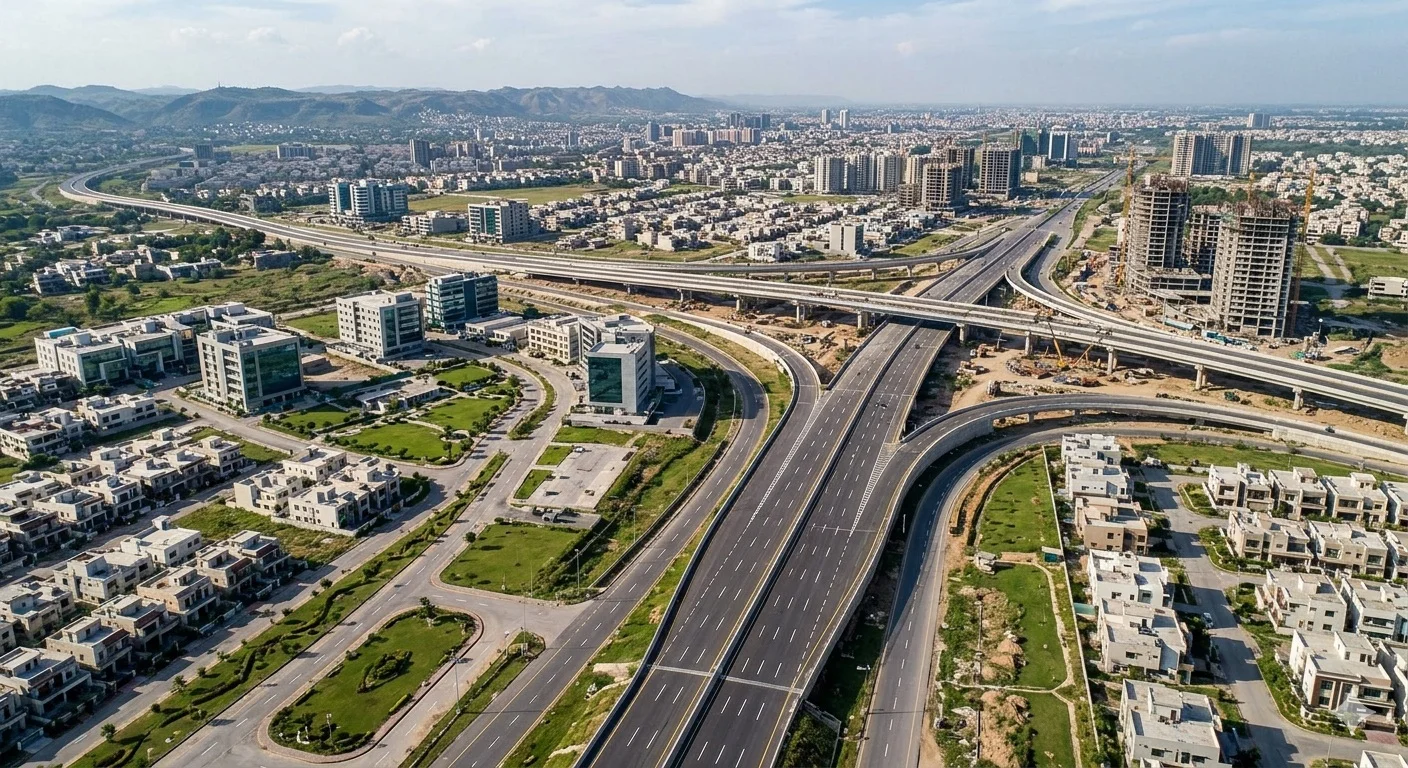
Infrastructure development is one of the biggest drivers of real estate growth in Pakistan.
New roads, highways, and urban expansion projects improve connectivity and accessibility, which directly increases land value.
Key effects include:
- Faster access to residential and commercial areas
- Growth of suburban housing societies
- Increased investor confidence
- Expansion of new business zones
Areas near major infrastructure projects often experience rapid appreciation in property value, making them attractive for early investors.
Growing Demand for Housing Societies in Pakistan
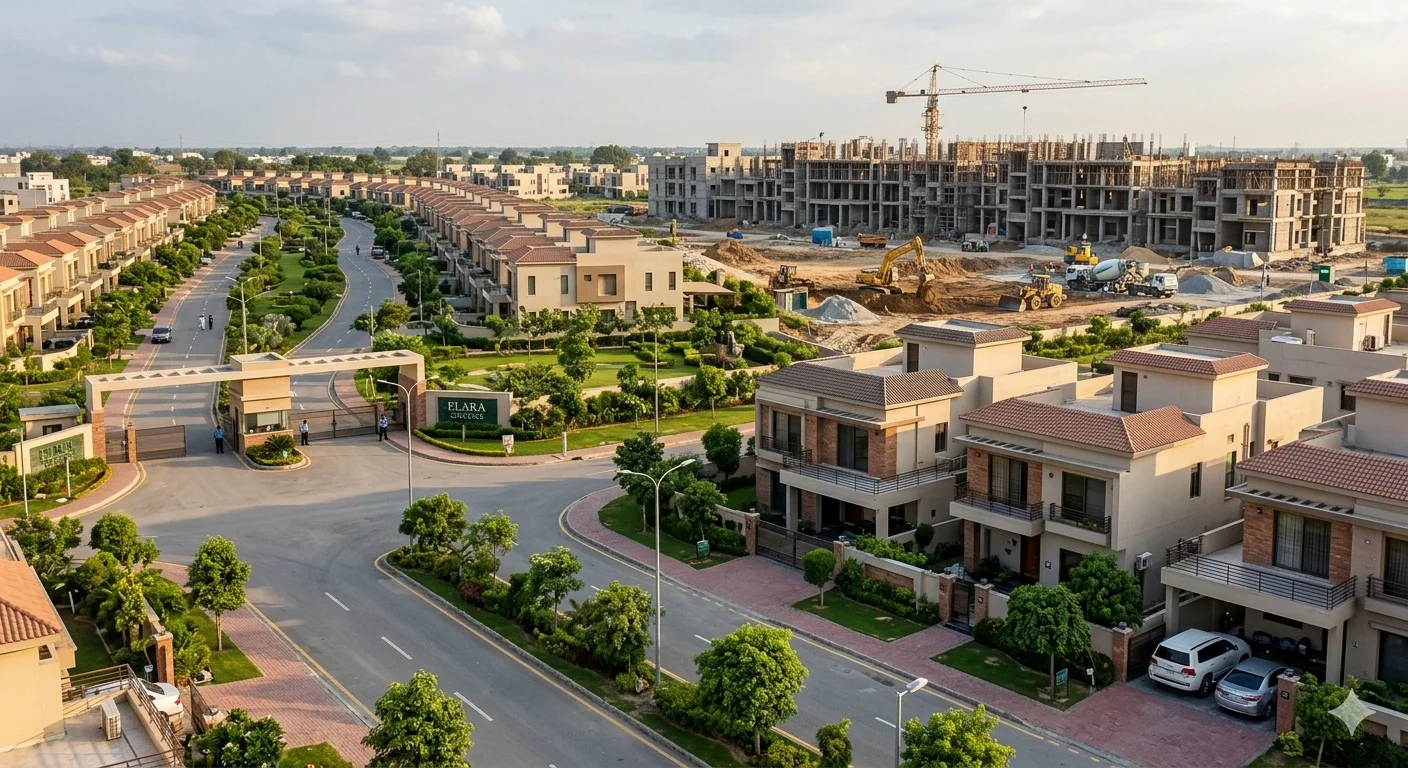
The rise in construction activity has significantly increased demand for modern housing societies.
In 2026, investors and buyers are focusing on:
- Affordable installment-based housing projects
- Secure gated communities
- Smart and planned residential developments
- Mixed-use real estate projects
These housing societies are benefiting from continuous construction activity supported by rising cement usage, ensuring steady development progress and long-term investment value.
Real Estate Investment Opportunities in 2026
The strong relationship between cement sales and construction growth presents multiple investment opportunities in Pakistan real estate.
Key opportunities include:
- Early investment in developing housing societies
- Commercial plots in growing urban zones
- Apartments in high-demand city centers
- Industrial and logistics properties near infrastructure corridors
Investors entering early in development phases are likely to benefit from higher returns as projects mature and infrastructure improves.
Economic Growth and Construction Sector Expansion
The growth of Pakistan’s real estate market is closely linked with overall economic performance.
In 2026, several factors are supporting construction expansion:
- Improved financial stability in selected sectors
- Increased remittances from overseas Pakistanis
- Government focus on infrastructure development
- Easier access to construction financing
These factors are creating a positive cycle where economic growth boosts construction, and construction further strengthens real estate demand.
Challenges Affecting the Real Estate and Construction Sector
Despite strong growth, some challenges remain in the market:
- Fluctuating cement and steel prices
- Rising construction costs
- Inflation affecting buyer affordability
- Regulatory and approval delays in projects
However, demand remains strong, and the overall market direction continues to be positive in 2026.
Future Outlook of Pakistan Real Estate Market
The future of Pakistan real estate is strongly connected with construction activity and cement consumption trends.
Expected future developments include:
- Expansion of vertical housing projects in cities
- Growth of suburban housing societies
- Smart city and planned urban developments
- Increased foreign and overseas investment
As long as construction activity continues to rise, Pakistan’s real estate sector is expected to remain on a growth trajectory.
Conclusion
The rise in cement sales and construction activity in Pakistan in 2026 is a clear indicator of a strengthening real estate market. As infrastructure projects expand and housing demand continues to grow, the property sector is experiencing steady and sustainable growth.
For investors, this is a key opportunity phase where early investments in developing housing societies and urban expansion zones can generate strong long-term returns.
Pakistan’s real estate future remains closely tied to construction trends, making 2026 a crucial year for strategic property investment decisions.
Want to know more? Check out Safe Real Estate Investment in Pakistan: Complete Guide to New Digital Systems
Like, share and comment: Facebook, Instagram, Youtube and TikTok.




Join The Discussion