
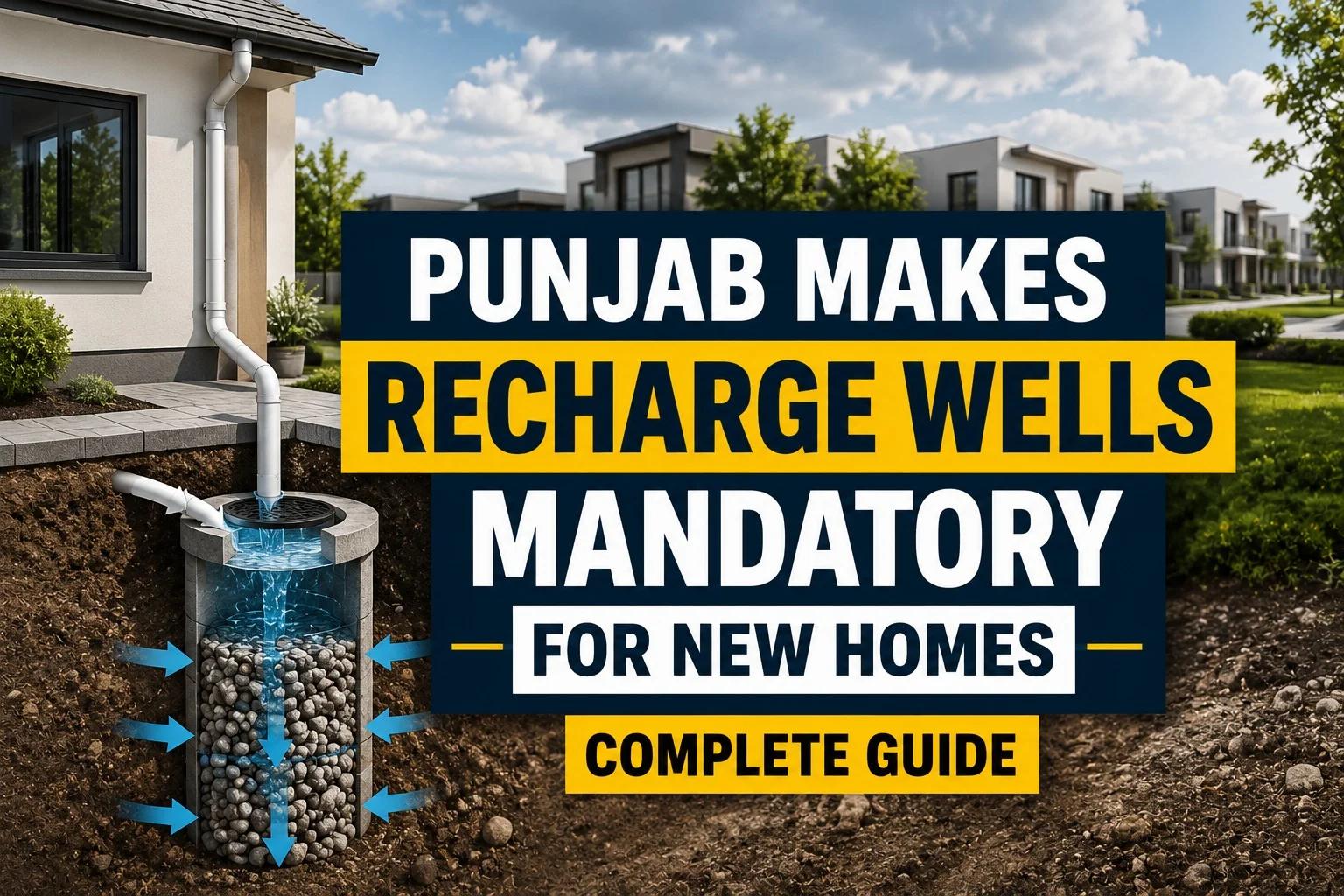
Punjab is taking an important step toward sustainable urban development by introducing mandatory recharge wells for new homes. The proposed policy aims to address one of the province’s biggest environmental challenges declining groundwater levels. As cities continue to expand and water demand increases, authorities are looking for practical ways to conserve water while reducing urban flooding.
For homeowners, builders, and property investors, understanding this new requirement is essential. This guide explains what recharge wells are, why Punjab is making them mandatory, how they work, and what the new regulations could mean for anyone planning to build a house.
What Is a Recharge Well?
A recharge well is an underground structure designed to collect rainwater and allow it to seep into the ground after passing through a filtration system. Instead of letting rainwater flow into drains and eventually go to waste, recharge wells help replenish underground water reserves, also known as aquifers.
These systems are commonly used in many countries to improve groundwater recharge, reduce water wastage, and support long-term water conservation. They are particularly effective in urban areas where roads, buildings, and paved surfaces prevent rainwater from naturally soaking into the soil.
Why Is Punjab Introducing Mandatory Recharge Wells?
Punjab has experienced a steady decline in groundwater levels over the past several years. Rapid urbanization, population growth, excessive groundwater extraction, and changing weather patterns have placed increasing pressure on the province’s water resources.
To address these concerns, the Punjab Water and Sanitation Authority (PWASA) has proposed making recharge wells mandatory for newly constructed residential buildings. The objective is to ensure that rainwater is captured and returned to underground water reserves instead of being lost through drainage systems.
The initiative is also expected to improve rainwater harvesting and reduce pressure on existing water supplies, making cities more resilient to future water shortages.
How Do Recharge Wells Work?
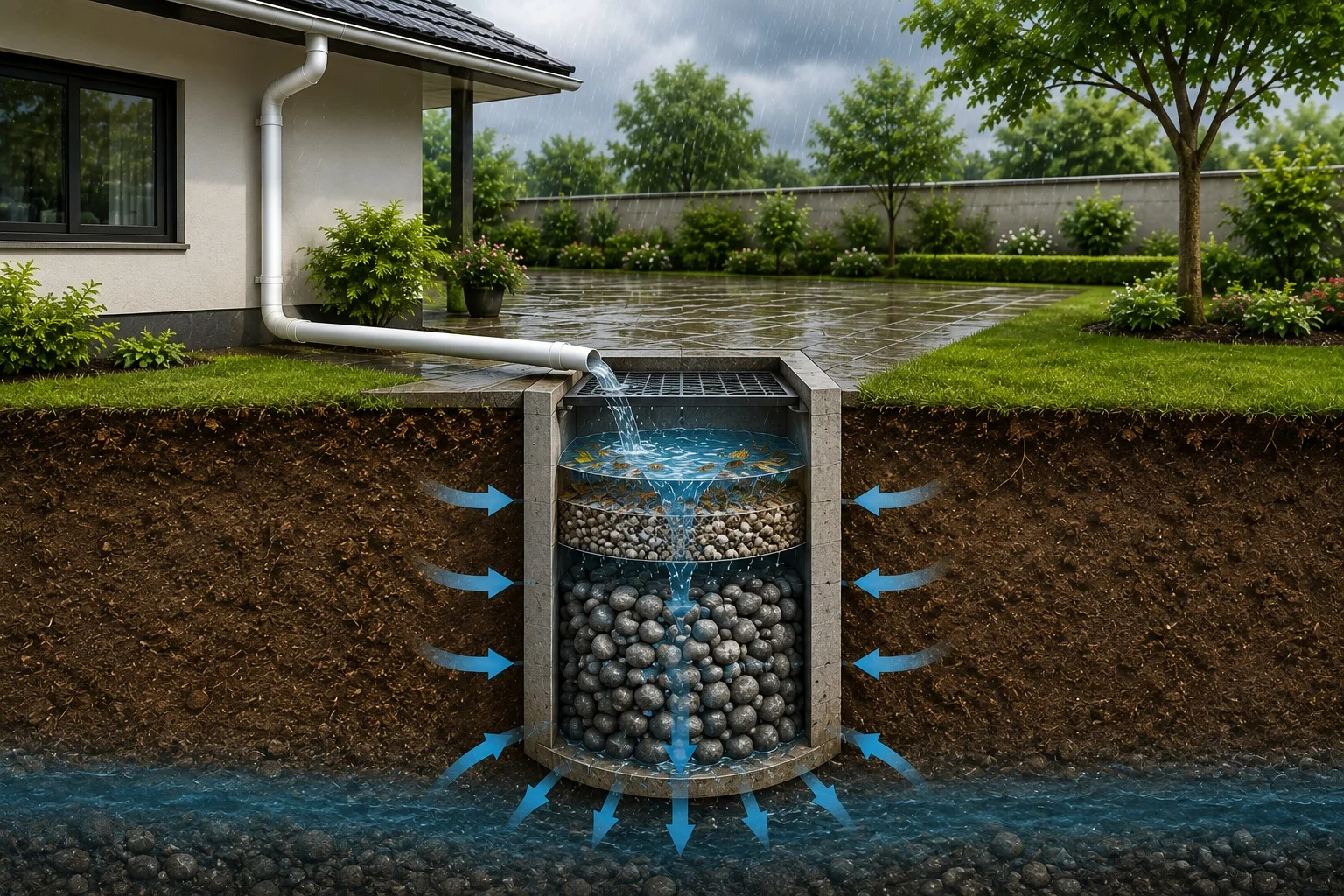
Although recharge wells are built underground, their operating principle is relatively simple.
Rainwater collected from rooftops, driveways, and other paved surfaces is directed through pipes into a filtration chamber. The filtration system removes leaves, dirt, and other debris before allowing clean water to enter the recharge well.
From there, the water slowly infiltrates the surrounding soil and eventually reaches underground aquifers. This natural process helps restore groundwater levels while minimizing surface runoff during heavy rainfall.
Because recharge wells use rainwater that would otherwise be wasted, they are considered an environmentally friendly and sustainable solution for water management.
Key Features of Punjab’s Proposed Policy
Under the proposed regulations, recharge wells may become a compulsory requirement for all newly constructed homes across Punjab. Builders and homeowners could be required to include recharge well designs as part of the building approval process.
The policy is expected to introduce standardized construction guidelines to ensure recharge wells are installed safely and effectively. Authorities may also establish technical specifications regarding the size, location, and filtration requirements of each system.
Although the final implementation framework is still awaited, the proposal reflects Punjab’s broader commitment to sustainable housing and environmental protection.
Benefits of Recharge Wells for Homeowners
Installing a recharge well offers several long-term advantages beyond regulatory compliance.
Improved Groundwater Levels
Recharge wells help restore underground water reserves by allowing rainwater to naturally enter aquifers. This contributes to a more sustainable water supply for future generations.
Better Rainwater Management
Heavy rainfall often causes water to accumulate on roads and residential streets. Recharge wells reduce surface runoff by directing rainwater underground, helping improve drainage efficiency.
Reduced Urban Flooding
Urban flooding has become increasingly common in many Punjab cities during the monsoon season. Recharge wells can reduce pressure on drainage systems by absorbing excess rainwater before it causes waterlogging.
Environmentally Friendly Construction
Modern homebuyers increasingly value sustainable housing features. A recharge well demonstrates responsible water management and supports environmentally conscious development.
Long-Term Water Security
As groundwater becomes more valuable, conserving available resources will become increasingly important. Recharge wells provide a practical way to improve local water sustainability.
How Will the New Rules Affect Property Buyers?
Anyone planning to construct a new home in Punjab should stay informed about the proposed regulations. If the policy is formally implemented, recharge wells may become a mandatory component of residential construction.
Property buyers should consider discussing these requirements with architects, engineers, and builders during the planning stage. Including a recharge well in the initial design can make compliance easier and may avoid delays in obtaining building approvals.
Developers of new housing societies may also update their construction standards to align with future regulations.
Estimated Cost of Installing a Recharge Well
The cost of a recharge well depends on several factors, including the size of the property, soil conditions, construction materials, filtration equipment, and local labor charges.
Although installation adds an upfront construction expense, many experts believe the long-term environmental and water conservation benefits outweigh the initial investment. Proper planning during the construction phase can also help reduce installation costs compared to retrofitting an existing property.
Punjab’s Broader Water Conservation Strategy
The recharge well initiative is part of a wider effort to improve water infrastructure throughout Punjab.
The provincial government has announced major investments in water supply, sewerage systems, storm-water drainage, and wastewater treatment projects. These initiatives aim to modernize urban infrastructure while addressing environmental challenges associated with rapid population growth.
Pilot groundwater recharge projects in Lahore have already demonstrated the potential of recharge wells to improve water management and reduce flooding during periods of heavy rainfall. Similar approaches could eventually benefit other cities across Punjab.
Tips for Homeowners Planning New Construction
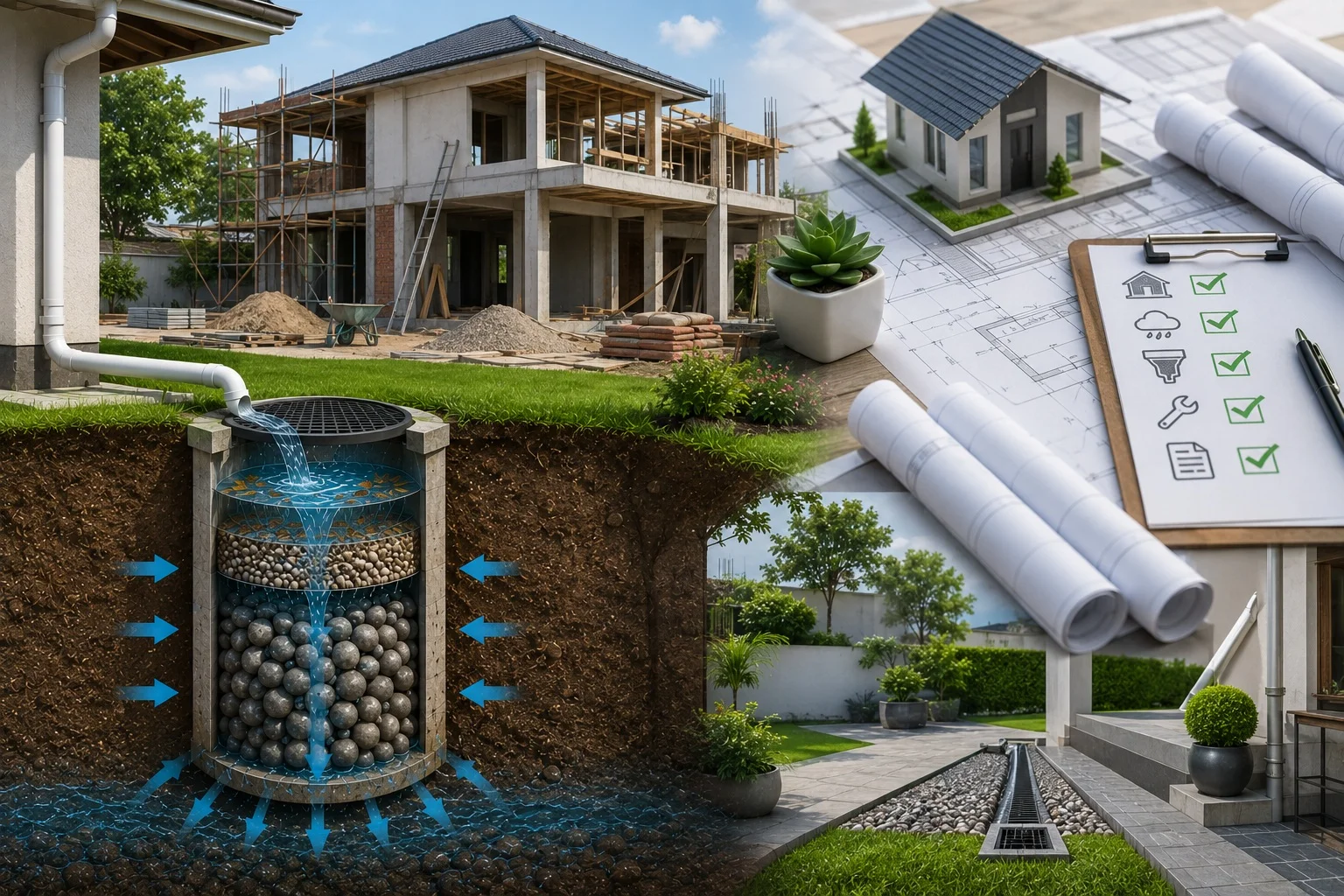
If you are planning to build a new house, consider these practical steps:
- Consult your architect about recharge well integration during the design phase.
- Ensure proper rooftop rainwater collection is included in your building plans.
- Use high-quality filtration materials to improve system performance.
- Schedule regular maintenance to keep the recharge well free from debris.
- Stay updated on official building regulations issued by the relevant authorities.
Early planning can simplify compliance while improving the long-term sustainability of your property.
Conclusion
Punjab’s proposal to make recharge wells mandatory for new homes represents an important step toward sustainable urban development and responsible water management. As groundwater resources continue to face increasing pressure, integrating rainwater harvesting into residential construction can help improve water security, reduce urban flooding, and support long-term environmental sustainability.
For homeowners, builders, and property investors, understanding these proposed regulations is becoming increasingly important. By planning ahead and incorporating recharge wells into new construction projects, property owners can not only prepare for future compliance but also contribute to conserving one of Punjab’s most valuable natural resources.
Want to know more? Check out How to Choose the Right New Faisalabad Housing Scheme Before Investing.
Like, share and comment: Facebook, Instagram, Youtube and TikTok.




Join The Discussion