
Buying property in Punjab can be a major financial decision. Whether you are purchasing a house, plot, apartment or agricultural land, following a Property Buying Checklist in Punjab and checking the property and its documents before making a payment can help you avoid ownership disputes, hidden liabilities and costly mistakes.
A proper property buying checklist in Punjab should cover legal ownership, land records, approvals, taxes, physical condition and the seller’s identity. Punjab Land Records Authority (PLRA) provides digital land-record services, including Fard, mutation, registry and property-related verification, which can help buyers conduct important checks before completing a transaction.
Here are 15 important things to check before paying for a property in Punjab.
1. Verify the Seller’s Identity
Start by confirming that the person selling the property is actually the legal owner. Check the seller’s CNIC and compare the name and other details with the available ownership documents.
If someone is selling the property on behalf of the owner, carefully verify their authority, such as a valid power of attorney. Do not rely only on verbal statements from an agent or intermediary.
2. Check the Ownership Record
One of the most important steps in property verification in Punjab is checking the official ownership record.
Ask for the relevant ownership documents and compare the seller’s details, property description, area and other particulars. PLRA provides services through its land-record system and Arazi Record Centres for accessing and verifying land information.
This check can help identify inconsistencies before you commit your money.
3. Obtain and Verify the Fard
A Fard provides important information about land ownership and is an essential document to examine when buying property.
Do not simply accept a printed copy supplied by the seller. Verify the document through the appropriate official channel. PLRA’s online system provides a facility for verifying Fard information.
Make sure the owner, property details and relevant land information match the transaction you are considering.
4. Check Mutation or Intiqal
Mutation, commonly called Intiqal, records the transfer of ownership in official land records. PLRA describes mutation as the process through which ownership is officially transferred after a sale, inheritance, gift or court order.
Check whether previous transactions have been properly reflected in the land record. If the seller’s ownership is based on an earlier transaction, examine the relevant mutation and supporting documents.
5. Verify the Registry
The property registry is another critical document. PLRA describes a registry as the official legal document recording the transfer of property ownership between parties.
Compare the registry with the current ownership record and the property’s physical details. If there is a mismatch in names, area, location or other important information, stop and investigate before paying.
6. Check for Disputes or Encumbrances
Before buying property, determine whether it is involved in a court case, mortgage, lien, inheritance dispute or other claim.
A property that appears inexpensive may become expensive if legal problems emerge later. Ask the seller for relevant clearance and supporting documents and consider getting an independent lawyer to review the property’s legal status.
Punjab’s land-record system also provides services designed to help establish ownership and legal status.
7. Confirm Housing Society Approval
If you are purchasing a plot or house in a private housing scheme, check whether the society and relevant project have the required approvals.
Do not assume that an advertisement, marketing office or development work automatically means a scheme is legally approved.
Check the status through the relevant government authority and obtain documentary evidence before making a substantial payment. PLRA currently provides a Check Status of Housing Society service through its digital platform.
8. Verify the Property Location and Boundaries
Visit the property yourself rather than relying entirely on photographs or an agent’s description.
Check the location, plot number, dimensions, boundaries, access road and surrounding development. Compare the physical property with its official documents.
For plots and land, confirming the exact location is particularly important because mistakes involving plot numbers or boundaries can create serious problems later.
9. Check the Property’s Market Value
Before agreeing to a price, compare it with similar properties in the same locality. You should also understand the official valuation used for government charges. PLRA states that DC Valuation is the officially notified property value issued by the District Collector and is used as a basis for calculating certain government charges, including stamp duty and registration fees.
A market comparison can help you identify whether the asking price is reasonable.
10. Calculate Taxes and Transfer Charges
Do not calculate your budget using only the property’s sale price.
Ask about applicable stamp duty, registration fees, mutation fees, taxes and other transfer-related charges. PLRA’s registry guidance specifically identifies items such as stamp duty, FBR taxes, registration fee and mutation fee within the registration process.
Before paying, request a clear breakdown of expected costs so you know the total amount required.
11. Check Outstanding Property Dues
Ask whether any property tax, utility bill, development charge, society fee or other outstanding amount is attached to the property.
If possible, obtain documentary evidence that relevant dues have been cleared. Clearly establish in the sale agreement who will be responsible for any outstanding liabilities.
12. Inspect the House or Building
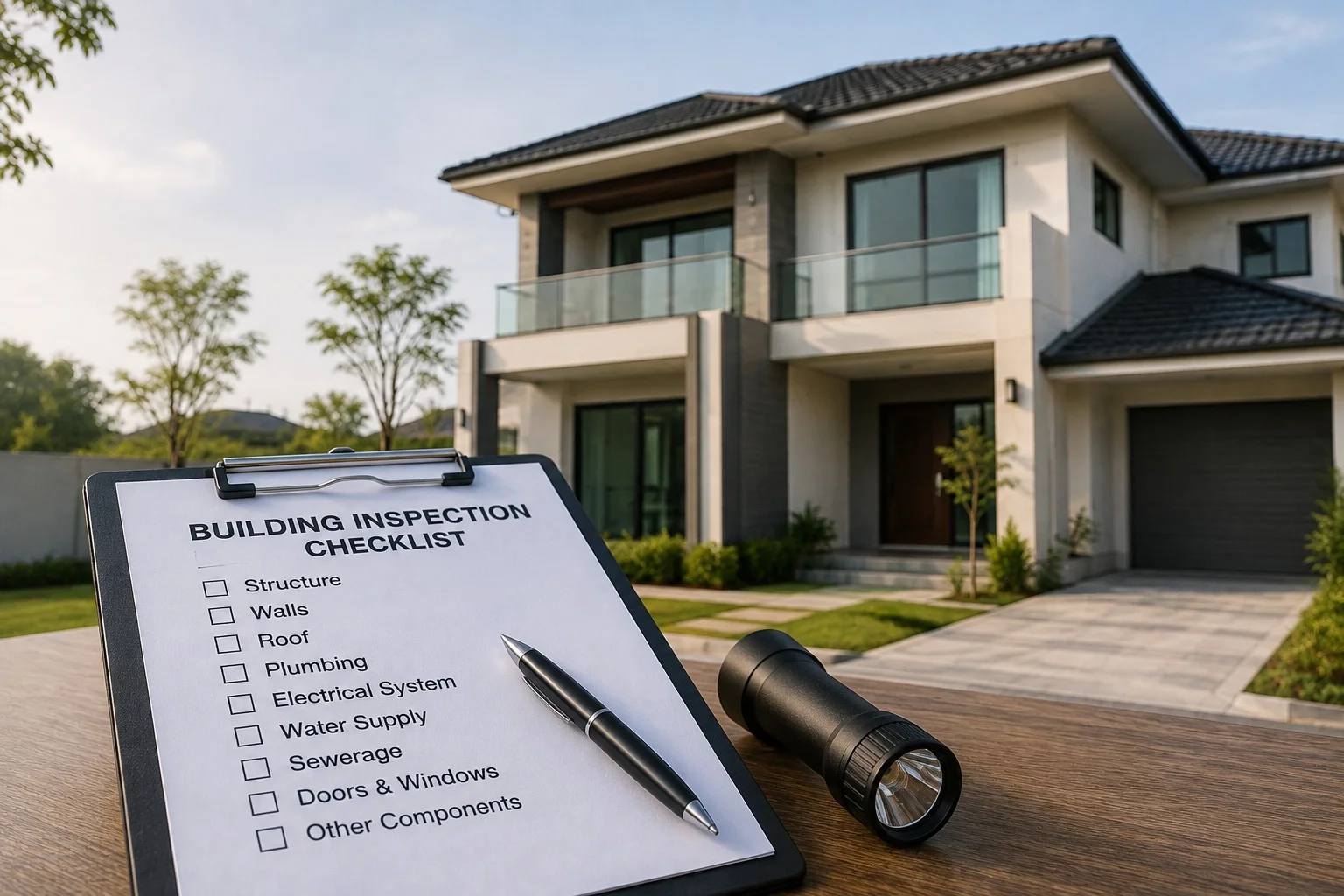
For a constructed property, legal documents are only one part of the process. You should also inspect the physical condition of the building.
Check the structure, walls, roof, plumbing, electrical system, water supply, sewerage, doors, windows and other major components.
For an older house, consider hiring a qualified professional to identify defects that may not be obvious during a normal visit.
13. Confirm Possession Status
Ask whether the property is vacant, occupied by the owner, rented out or subject to another person’s possession.
For a house or plot, clarify exactly when possession will be transferred. If the property is already occupied, do not assume that possession will automatically be available after payment. Include clear possession terms in the sale agreement.
14. Review the Sale Agreement Before Paying
Never make a substantial payment based only on a verbal promise. The agreement should clearly identify the buyer and seller, property details, agreed price, payment schedule, possession terms, documents, responsibilities for taxes and other relevant conditions.
Read every clause carefully before signing. If the transaction involves significant money or complicated ownership, have the agreement reviewed by an independent property lawyer.
15. Use a Safe Payment and Registration Process
The final step is to make sure the payment itself is properly documented. Avoid handing over a large amount of money without a written agreement, payment record and clear transaction trail. Keep copies of receipts, challans, signed documents and correspondence.
For property registration in Punjab, PLRA’s current process includes e-Registration, verification of parties and property particulars, payment of relevant challans and subsequent processing through the registration system.
Complete the required legal transfer rather than treating possession of documents or payment alone as proof that the transaction is complete.
Property Buying Checklist
Before paying for property in Punjab, make sure you have checked:
- Seller’s identity and ownership
- Fard and land records
- Mutation or Intiqal
- Registry
- Legal disputes and encumbrances
- Housing society approval
- Property location and boundaries
- Market value and DC valuation
- Taxes and transfer charges
- Outstanding dues
- Physical condition
- Possession status
- Sale agreement
- Payment documentation
- Registration and transfer process
Frequently Asked Questions (FAQs)
1. What should I check before buying property in Punjab?
Before buying property in Punjab, verify the seller’s identity, ownership record, Fard, mutation or Intiqal, registry, property approval, outstanding dues, legal disputes, location and possession status. Review all important documents before making a substantial payment.
2. How can I verify property ownership in Punjab?
You can verify property ownership through official Punjab land-record services and Arazi Record Centres. Compare the ownership information with the seller’s CNIC and property documents to ensure that the names and property details match.
3. What documents should I check before buying property?
Important documents may include the seller’s CNIC, Fard, registry, mutation or Intiqal, sale agreement, relevant NOC or approval, tax records and possession documents. The required documents can vary depending on the type and location of the property.
4. What should I check before paying token money for property?
Before paying token money, verify the seller’s ownership, check important property documents, confirm the property’s location and approval status, and look for outstanding dues or legal disputes. Always document the payment and agreed terms in writing.
5. How can I avoid property fraud when buying property in Punjab?
To reduce the risk of property fraud, independently verify ownership and land records, inspect original documents, check approvals and outstanding liabilities, visit the property and keep proper payment records. For complex transactions, consider getting the documents reviewed by a qualified property lawyer.
Conclusion
A property purchase should never be based on price or location alone. Property verification in Punjab requires a combination of document checks, legal due diligence, physical inspection and financial planning.
The most important rule is simple: do not pay a large amount until you are satisfied that the seller has the legal right to sell the property and the documents and property details are consistent.
Punjab’s digital land-record services have made several verification and registration processes more accessible, but buyers should still carefully review the documents and seek professional legal advice when ownership, inheritance, litigation or other complications are involved.
A few hours spent checking property documents, ownership records, approvals and liabilities can potentially save a buyer from years of financial and legal problems.
Want to know more? Check out How to Verify Housing Society Land Ownership Before Buying Property.
Like, share and comment: Facebook, Instagram, Youtube and TikTok.



Join The Discussion