
Punjab Chief Minister Maryam Nawaz has ordered authorities to improve Punjab CM cleaner housing societies by strengthening cleanliness in private and cooperative housing societies under the Suthra Punjab initiative. The measures focus on better waste collection, cleaner streets and neighbourhoods, vacant-plot cleaning, and stronger monitoring of sanitation services.
In simple terms, the Punjab CM’s directive aims to make housing societies cleaner and better maintained by improving waste collection and sanitation. For residents, this could mean a more pleasant living environment, while for property buyers, cleaner neighbourhoods may make some housing societies more attractive. However, the initiative does not automatically mean property prices will rise.
What Did the Punjab CM Order for Housing Societies?
The Punjab government has directed authorities to ensure improved cleanliness in private and cooperative housing societies. The directive is part of efforts to strengthen the Suthra Punjab programme and improve sanitation standards across residential communities.
Several specific measures have been ordered, including regular cleaning of streets and neighbourhoods and the removal of accumulated waste from vacant plots. These plots can sometimes become informal dumping areas, affecting the appearance and cleanliness of surrounding properties.
The government has also emphasized door-to-door waste collection. A more organized collection system could help reduce garbage accumulation in residential streets and public areas.
Fixed waste collection schedules are also being promoted, particularly in commercial areas. Standardized dustbins and garbage bags are expected to support more organized waste disposal.
The cleanliness drive extends beyond housing societies. Parks, greenbelts, schools, hospitals and other important public areas are also included in the broader sanitation effort.
How Will Cleaner Housing Societies Benefit Residents?
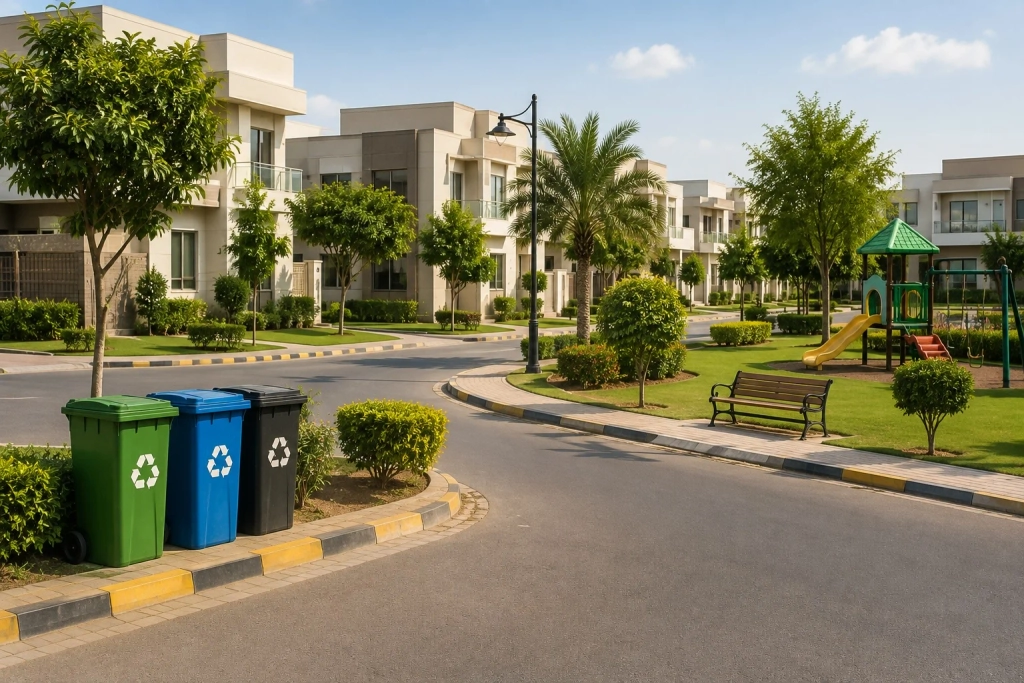
The most immediate impact could be felt by people who live in residential communities.
Regular garbage collection can reduce waste accumulation on streets, empty plots and common areas. This can improve the appearance of a neighbourhood and make daily life more comfortable for families.
Poor waste management can create unpleasant smells and attract insects, while scattered garbage can make an otherwise developed society look neglected. Consistent sanitation services can help address these problems.
Cleaning vacant plots is another important aspect of the directive. An empty plot that is not maintained can become a dumping point or collect debris. Keeping these areas clean could improve the overall appearance of a residential community.
Cleaner parks, greenbelts and streets can also contribute to the general livability of an area. For families choosing between different residential communities, these factors may influence their perception of a housing society.
Can Cleaner Housing Societies Increase Property Demand?
Cleaner neighbourhoods may contribute to property demand, but the relationship is not automatic.
When buyers evaluate residential property, they usually consider several factors. These include location, road connectivity, security, utilities, development status, commercial facilities and the surrounding environment.
Cleanliness can become an additional factor in that decision. A well-maintained housing society with organized waste collection and clean public spaces may create a better impression among potential buyers and tenants.
For example, two societies may offer properties with similar prices and locations, but buyers could prefer the community with better-maintained streets, parks and sanitation facilities.
This means the Punjab government’s cleanliness measures could potentially support demand over time if they result in consistent improvements in neighbourhood conditions.
However, it would be incorrect to say that the directive will definitely increase property prices. Property values depend on a much wider range of market and economic factors.
Why Waste Management Matters for Property Investors
Waste management is sometimes overlooked when investors compare housing societies. However, it forms part of the overall quality of a residential community.
A society can have attractive roads and modern houses, but poor sanitation may negatively affect its appeal. Garbage-filled streets, neglected vacant plots and poorly maintained public areas can influence how potential buyers perceive the community.
For investors, this means that evaluating a housing society should involve more than checking the advertised plot price.
A potential buyer should consider whether the society provides:
- Regular waste collection
- Clean and maintained streets
- Properly managed vacant plots
- Functional drainage
- Clean parks and greenbelts
- Reliable sanitation services
- Regular maintenance
- Responsive society management
These factors can help buyers understand the actual living conditions of a community before committing to a property.
Stronger Monitoring Could Improve Implementation
One of the most important aspects of the Punjab CM’s directive is monitoring.
Cleanliness campaigns can produce temporary improvements, but maintaining those standards requires continuous supervision. Housing societies need regular waste collection, sufficient sanitation workers, appropriate equipment and reliable schedules.
The government has directed officials to strengthen monitoring of cleanliness performance. Standard operating procedures are also being developed to assess the performance of workers, contractors and officials.
The CM has further called for a zero-tolerance approach toward persistent poor performance. This could make monitoring particularly important for ensuring that sanitation services continue after the initial implementation of the programme.
The government has also directed that Suthra Punjab workers should receive their salaries on time and that issues involving delayed contractor payments should be addressed. Timely payments can help maintain the workforce required to provide regular sanitation services.
What Could This Mean for Punjab’s Property Market?
The impact on the Punjab real estate market is likely to differ from one housing society to another.
Established communities with good infrastructure, accessibility and utilities could benefit from improved sanitation because cleanliness may further strengthen their overall appeal.
For developing housing societies, however, cleanliness alone is unlikely to transform property demand. Buyers may still give greater importance to road development, electricity, water supply, sewerage, security, commercial facilities and possession status.
Therefore, investors should avoid treating the latest cleanliness directive as a direct signal that property prices will increase.
Instead, it can be viewed as a development that may improve the overall attractiveness of residential areas if implemented effectively.
Over the longer term, consistently clean and well-maintained communities may have an advantage in attracting residents and tenants. Whether that translates into stronger property demand will depend on several other factors.
Practical Advice for Property Buyers
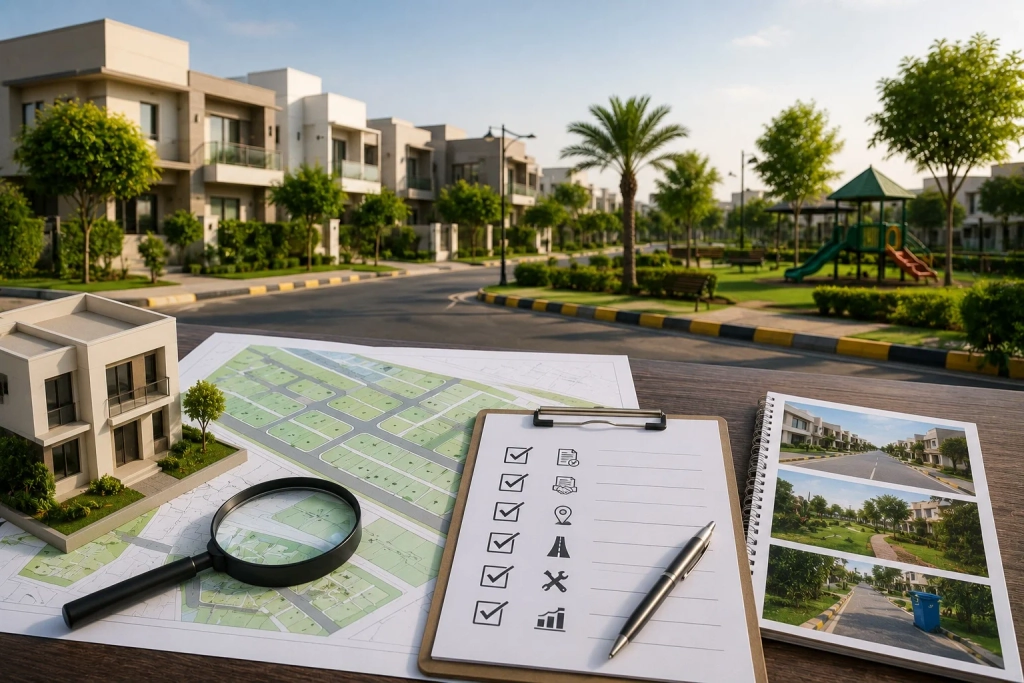
The latest development gives buyers another factor to consider when evaluating a housing society.
Before purchasing a plot or home, visit the society personally rather than relying only on advertisements or promotional claims. Look at the condition of streets, parks, vacant plots and waste collection points.
It is also useful to speak with existing residents. They can provide practical information about how frequently garbage is collected and whether sanitation services are consistent.
Buyers should also check:
- Housing society approval status — Confirm that the society and relevant development plans have the required approvals.
- Land ownership and documentation — Verify ownership and property documents before making payments.
- Development progress — Check roads, sewerage, electricity, water supply and other infrastructure.
- Accessibility — Consider road connectivity and access to schools, markets, hospitals and workplaces.
- Maintenance standards — Examine whether public areas and streets are regularly maintained.
- Market demand — Compare actual buyer and rental activity rather than relying only on future price claims.
Cleanliness should therefore be considered as one part of property due diligence, not as a substitute for checking legal and financial aspects.
What Should Residents Expect?
For residents, the success of the initiative will depend largely on implementation.
A short-term cleaning campaign may improve conditions temporarily, but long-term benefits require regular waste collection, proper disposal and continuous monitoring.
Residents can also contribute by following waste disposal guidelines, avoiding illegal dumping and reporting sanitation problems through the available government or local management channels.
If housing societies, contractors, sanitation workers and government authorities work together, the programme could create more sustainable improvements in residential areas.
Frequently Asked Questions (FAQs)
What did the Punjab CM order for housing societies?
The Punjab CM ordered authorities to improve cleanliness in private and cooperative housing societies, including better waste collection, street cleaning and the cleaning of vacant plots.
How can cleaner housing societies benefit residents?
Better sanitation can reduce garbage accumulation, improve neighbourhood appearance and create a more comfortable and well-maintained living environment.
Can cleaner housing societies increase property demand?
Cleaner surroundings may make a housing society more attractive to buyers and tenants, but cleanliness alone does not guarantee higher property demand or prices.
Will property prices increase because of the Punjab cleanliness initiative?
There is no basis to guarantee an increase in property prices. Location, infrastructure, legal status, accessibility, supply and demand and broader market conditions will continue to influence property values.
What should buyers check before investing in a housing society?
Buyers should check approval status, land ownership, development progress, utilities, accessibility, sanitation, maintenance standards and actual market demand before purchasing property.
Conclusion
Punjab CM Maryam Nawaz’s order to improve cleanliness in private and cooperative housing societies puts greater emphasis on sanitation, waste management and neighbourhood maintenance.
The focus on door-to-door waste collection, vacant-plot cleaning, street maintenance and stronger monitoring could improve living conditions for residents if the measures are implemented consistently.
For the property market, the impact is more likely to be indirect. Cleaner and better-maintained residential communities may become more attractive to families, tenants and potential buyers, but cleanliness alone cannot determine property prices.
For property investors, the key takeaway is simple: a clean housing society can be a positive sign, but it should never replace proper property due diligence. Buyers should evaluate sanitation alongside location, infrastructure, legal approval, accessibility, utilities and actual market demand.
If the government’s measures are implemented effectively and maintained over time, cleaner housing societies could contribute to better residential environments and potentially strengthen the appeal of well-managed communities across Punjab.
Want to know more? Check out Punjab Housing Scheme Reforms 2026: What Property Buyers Need to Know.
Like, share and comment: Facebook, Instagram, Youtube and TikTok.




Join The Discussion