

Paying property tax is an important responsibility for property owners in Punjab, but simply paying the amount shown on a bill may not always be enough. Before making a Punjab property tax payment in 2026, owners should verify their property information, tax assessment, outstanding dues, and applicable exemptions or rebates.
A small mistake in ownership details, property classification, or tax assessment can lead to an incorrect bill or unexpected liability. Checking these details before payment can help property owners avoid unnecessary disputes and keep their property tax records accurate.
What Is Punjab Property Tax?
Property tax is a tax imposed on certain properties according to applicable provincial rules and assessment methods. The amount payable can depend on factors such as the property’s location, use, classification, and assessed value.
For property owners, understanding how the tax has been calculated is important. A residential property and a commercial property may not be treated in the same way, while changes in ownership or property details can also affect tax records.
Before paying your Punjab property tax 2026, review the information connected with the property rather than relying only on the final amount shown on the bill.
1. Verify Your Property Details
The first step is to check whether the property information on the tax record is correct.
Review details such as:
- Property address
- Property identification or assessment number
- Owner’s name
- Property category
- Residential or commercial status
- Covered area or other relevant property details
If any information is incorrect, paying the bill without addressing the problem could make future corrections more difficult.
Property owners should particularly check their records after buying, selling, transferring, extending, or changing the use of a property.
2. Check the Property Tax Assessment
One of the most important checks is understanding how the property tax assessment was determined.
The tax payable is generally connected with the applicable assessment framework. Therefore, property owners should review whether the property has been assessed under the correct category and whether the information used for assessment reflects the actual property.
For example, if a property is recorded as commercial when it should be residential, the resulting tax liability may differ significantly.
If the assessment appears incorrect, contact the relevant tax authority or office to understand the reason and ask about the available correction procedure.
3. Check Outstanding Property Tax Dues
Before making a property tax payment, check whether there are any previous unpaid amounts.
Your current bill may not tell the complete financial story if there are:
- Previous unpaid taxes
- Arrears
- Outstanding demands
- Late-payment amounts
- Other applicable charges
This is especially important when a property has recently been purchased. Buyers should not assume that every tax-related issue connected with the property has automatically been resolved after the transaction.
Checking the property tax records before payment can help identify outstanding liabilities and prevent surprises later.
4. Confirm Who Is Responsible for the Tax
Property owners should also make sure that the taxpayer and ownership information is correctly recorded.
If the property has changed hands but the tax record still shows the previous owner, it may be necessary to update the relevant records.
Similarly, inherited properties, jointly owned properties, transferred properties, and properties with changes in ownership may require additional documentation or record updates.
Keeping ownership information accurate can make future tax payments, property transfers, and record verification easier.
5. Check Applicable Exemptions or Rebates
Before paying the full amount, property owners should determine whether any property tax exemptions or rebates apply to their circumstances.
Eligibility can depend on the type of property, its use, ownership circumstances, and current government rules.
Do not assume that an exemption or rebate is automatically applied. Check the applicable requirements and confirm whether the benefit has already been reflected in the tax assessment or bill.
If you believe you qualify for a concession that has not been applied, ask the relevant authority about the required documents and application process before making the payment.
6. Review the Due Date
The property tax due date is another important detail to check.
Late payment may result in additional charges or other consequences under applicable rules. Property owners should therefore avoid waiting until the last day if they have questions about their bill.
If the amount appears incorrect, start the verification or correction process early. This gives you more time to resolve an issue rather than discovering a problem immediately before the payment deadline.
7. Use the Correct Payment Method
After checking the bill, assessment, ownership information, and outstanding dues, use an official payment channel available for Punjab property tax.
Depending on the applicable system and taxpayer’s circumstances, payment options may include online services or designated payment channels.
Before completing an online property tax payment, make sure you are using the correct official platform and that the property or taxpayer information matches your records.
Avoid relying on unofficial individuals or unverified payment links when dealing with tax payments.
8. Keep Your Payment Receipt
After paying your property tax, keep the payment receipt or digital confirmation safely.
A receipt can provide useful evidence if you later need to prove that the amount was paid. It may also help when resolving disputes, updating records, or completing a future property transaction.
Keep the receipt together with other important property documents, including ownership papers, transfer documents, and relevant tax records.
What Should Property Owners Check Before Paying?
A simple checklist can make the process easier:
- Confirm the owner’s name
- Check the property address
- Verify the property or assessment number
- Review the property’s classification
- Check the tax assessment
- Review previous property tax dues
- Confirm applicable exemptions or rebates
- Check the payment deadline
- Use an official payment channel
- Save the payment receipt
This checklist can be particularly useful for owners managing multiple properties or those who have recently purchased or transferred a property.
Why Property Tax Verification Matters
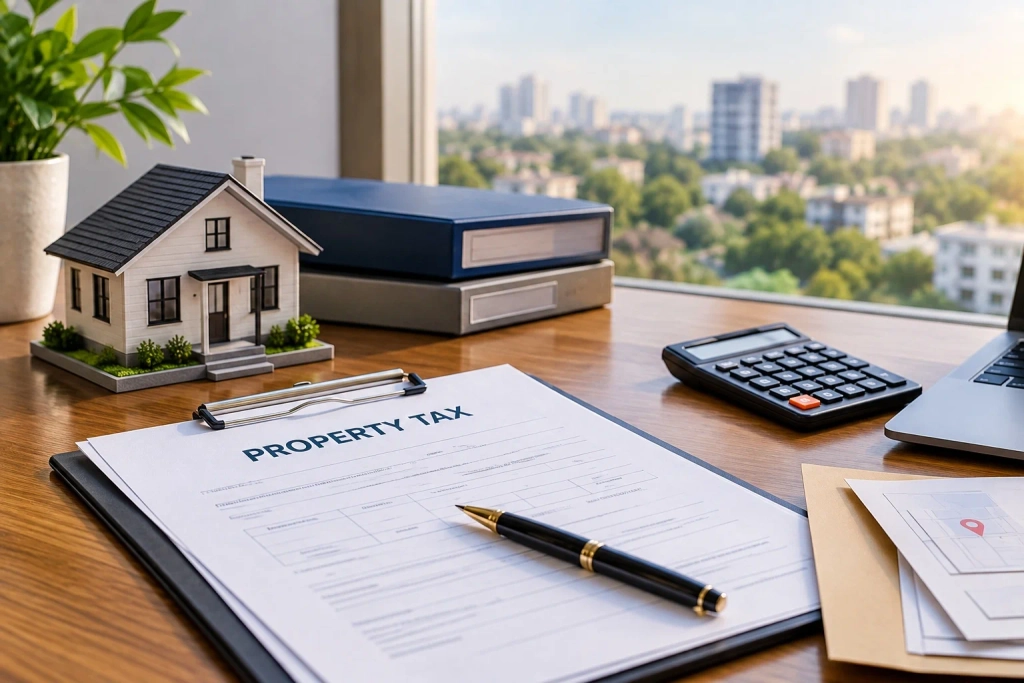
Property tax is not simply a payment obligation; it is also connected with the accuracy of a property’s official records. Incorrect information can create complications when an owner later wants to transfer, sell, inherit, or otherwise deal with the property.
For this reason, property owners should treat property tax verification as part of responsible property management.
If you find a discrepancy, do not ignore it. Gather the relevant documents and contact the appropriate tax authority for clarification or correction.
Frequently Asked Questions (FAQs)
1. What should I check before paying Punjab property tax in 2026?
Before paying Punjab property tax in 2026, verify the owner’s name, property details, assessment, outstanding dues, applicable exemptions or rebates, payment deadline, and total tax amount.
2. How can I check my Punjab property tax bill?
Property owners can check their property tax bill through the applicable official Punjab tax service or by contacting the relevant Excise and Taxation office. Verify the property and taxpayer details before making payment.
3. What happens if my property tax assessment is incorrect?
If your property tax assessment contains incorrect ownership, property classification, area, or other information, contact the relevant tax authority and request clarification or correction before paying the disputed amount.
4. Can property owners get a property tax exemption or rebate in Punjab?
Some properties or property owners may qualify for tax exemptions or rebates under applicable Punjab rules. Eligibility should be confirmed with the relevant authority before payment.
5. Why should I keep my property tax payment receipt?
A property tax payment receipt provides evidence of payment and can be useful when checking tax records, resolving payment disputes, or completing future property-related transactions.
Conclusion
Before paying Punjab property tax in 2026, property owners should take a few minutes to verify their property details, assessment, outstanding dues, ownership information, applicable concessions, and payment deadline.
The goal is not simply to pay the tax on time but to make sure you are paying the correct amount for the correct property under the applicable rules.
Keeping accurate tax records and retaining payment receipts can also make future property transactions easier. When a tax assessment or ownership record appears complicated or disputed, seeking advice from the relevant authority or a qualified property professional can provide additional clarity.
By following these checks, Punjab property owners can reduce avoidable errors and manage their property tax responsibilities more confidently.
Want to know more? Check out Punjab Property Tax Rebate 2026: How to Get the 5% Discount Before September 30.
Like, share and comment: Facebook, Instagram, Youtube and TikTok.



Join The Discussion