
The Punjab government has taken another significant step toward supporting rural communities by conducting the computerized ballot for the Apna Khet Apna Rozgar Scheme. The initiative aims to provide government-owned cultivable land to 30,000 landless families, giving them an opportunity to earn a sustainable livelihood through agriculture.
The scheme reflects the government’s commitment to improving rural development, strengthening the agriculture sector, and creating employment opportunities for families who have little or no access to farmland. With transparent balloting and financial support for beneficiaries, the program is expected to improve agricultural productivity while helping thousands of deserving families become self-reliant.
What Is the Apna Khet Apna Rozgar Scheme?
The Apna Khet Apna Rozgar Scheme is a Punjab government initiative designed to empower landless families by providing access to cultivable government land. Instead of offering one-time financial assistance, the scheme focuses on creating long-term income opportunities through farming.
Under the latest phase, the government has allocated approximately 121,000 acres of cultivable land for distribution among selected beneficiaries. The land will be provided on a long-term lease, allowing families to cultivate crops, improve their income, and contribute to the province’s agricultural economy.
The initiative also supports the government’s broader goal of reducing rural poverty while encouraging productive use of government-owned agricultural land.
Punjab Conducts Computerized Ballot for 30,000 Families
A major milestone of the program was the successful completion of the computerized ballot to select eligible beneficiaries. Around 60,000 applications were received from across Punjab, demonstrating the strong public interest in the scheme.
To ensure transparency and fairness, the selection process was carried out through a computerized balloting system rather than manual selection. This approach minimizes the possibility of favoritism and helps ensure that deserving applicants have an equal opportunity to benefit from the program.
The computerized ballot selected 30,000 landless families who will receive agricultural land under the scheme.
Key Features of the Scheme
The latest phase of the Apna Khet Apna Rozgar Scheme offers several important benefits to successful applicants.
Long-Term Land Lease
Selected families will receive cultivable government land on a 20-year lease. This provides enough time for beneficiaries to establish stable farming operations and generate consistent income.
Affordable Annual Lease
Instead of paying commercial rates, beneficiaries will pay a symbolic annual lease fee of Rs100, making the program accessible to low-income rural families.
Financial Assistance for Farming
To help beneficiaries begin cultivation, the Punjab government has announced financial assistance of Rs50,000 per acre. This support can help cover initial farming expenses such as seeds, fertilizers, irrigation, and other essential inputs.
Families receiving four acres will also receive Rs200,000 to prepare the land for cultivation, reducing the financial burden during the early stages of farming.
Why the Scheme Matters
Agriculture remains one of Punjab’s most important economic sectors, yet many rural families do not own agricultural land. Without access to farmland, earning a stable income can be difficult.
The Apna Khet Apna Rozgar Scheme addresses this challenge by providing landless families with the opportunity to become active participants in agriculture.
Some of the expected benefits include:
- Creating long-term employment opportunities in rural areas.
- Improving household incomes through farming.
- Increasing agricultural production across Punjab.
- Promoting productive use of government-owned land.
- Supporting food security by expanding cultivated land.
- Reducing poverty in rural communities.
By focusing on sustainable livelihoods instead of temporary financial assistance, the scheme has the potential to create lasting economic benefits.
How the Computerized Ballot Improves Transparency
Transparency is one of the strongest features of the program.
Government welfare schemes often receive criticism regarding the selection of beneficiaries. However, the computerized balloting system reduces human intervention and ensures that applicants are selected through a fair and impartial process.
This transparent approach helps strengthen public confidence and demonstrates the government’s commitment to accountable governance.
Economic Impact on Punjab’s Agriculture
Providing cultivable land to thousands of families could have a positive impact on Punjab’s agricultural sector.
More land under cultivation can increase crop production, improve rural employment, and contribute to local economic growth. As beneficiaries begin farming, demand for agricultural inputs such as seeds, fertilizers, machinery, and irrigation services may also increase, creating additional business opportunities.
The initiative may also encourage better utilization of government-owned land that was previously underused.
Over time, these developments can strengthen the rural economy and support agricultural growth across the province.
Support for Rural Development
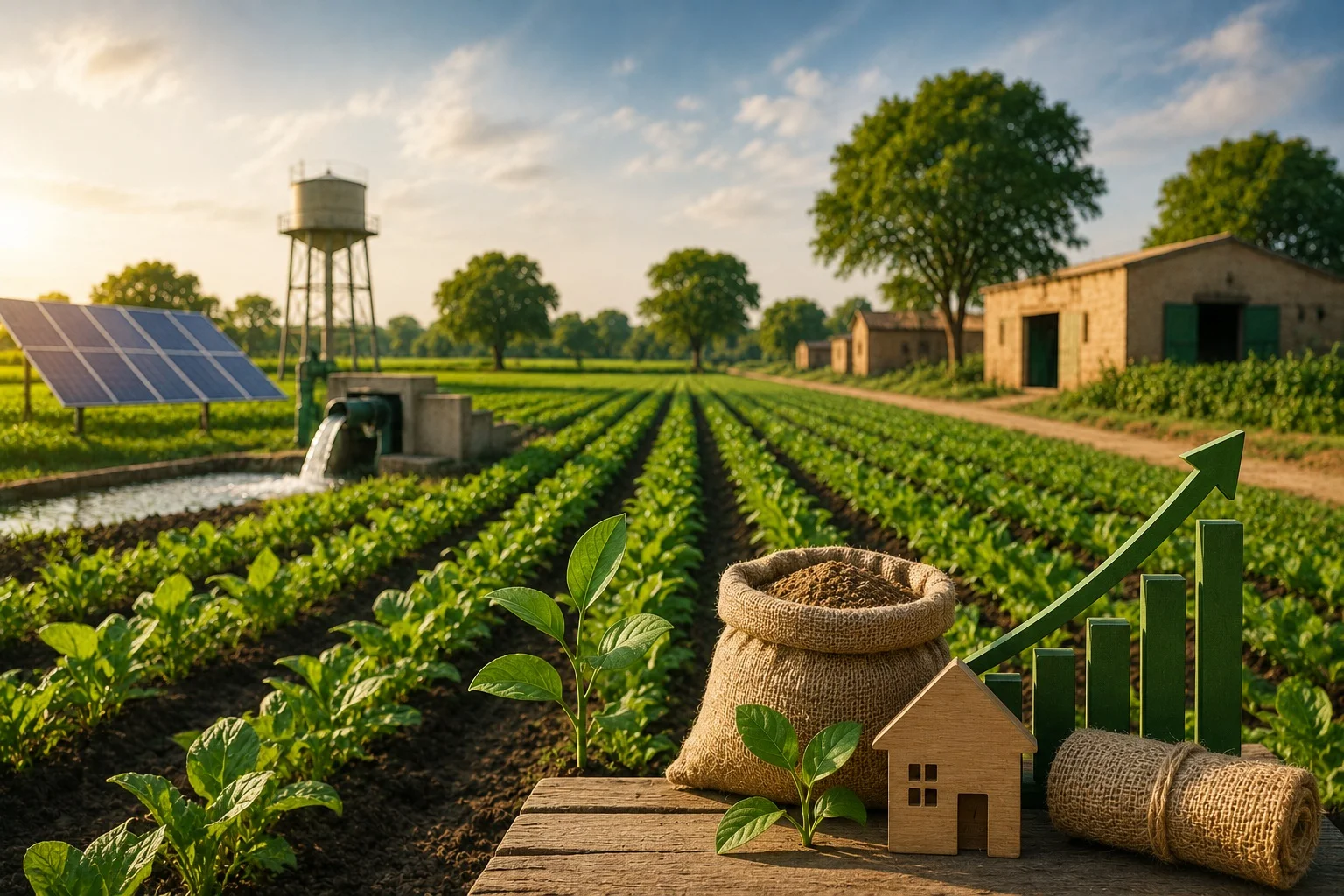
The Apna Khet Apna Rozgar Scheme goes beyond land distribution. It represents an investment in rural development by helping families build sustainable livelihoods.
Access to farmland allows beneficiaries to earn regular income, improve their standard of living, and invest in better education and healthcare for their families.
The scheme also encourages self-employment, reducing dependence on seasonal labor and creating opportunities for long-term financial stability.
What Happens Next?
Following the computerized ballot, the Punjab government is expected to issue allotment letters to successful applicants.
Officials have indicated that possession of the allocated land will be provided after completing the necessary administrative procedures. Beneficiaries will then be able to begin cultivating their leased land and utilize the financial assistance provided under the scheme.
The government has also suggested that future phases may include additional cultivable land, allowing more deserving families to benefit from similar opportunities.
Challenges to Watch
Although the initiative has received positive attention, its long-term success will depend on effective implementation.
Several factors will play an important role, including:
- Timely handover of land.
- Availability of irrigation facilities.
- Easy access to farming inputs.
- Agricultural training for beneficiaries.
- Ongoing government monitoring and support.
Addressing these challenges can help ensure that families not only receive land but also succeed in building profitable farming businesses.
What This Means for Punjab
The Apna Khet Apna Rozgar Scheme reflects a broader effort to strengthen Punjab’s agriculture sector while improving the lives of rural families. By combining transparent beneficiary selection, affordable land leases, and financial assistance, the program creates opportunities for long-term economic growth rather than short-term relief.
If implemented effectively, the initiative could become a model for future rural development programs by encouraging self-reliance, increasing agricultural productivity, and reducing poverty.
Conclusion
The computerized ballot under the Apna Khet Apna Rozgar Scheme marks an important milestone in Punjab’s efforts to support landless families and promote sustainable agriculture. Through transparent selection, long-term land leases, and financial assistance, the initiative provides thousands of families with an opportunity to improve their livelihoods while contributing to the province’s agricultural development.
As the selected beneficiaries receive possession of their land and begin cultivation, the success of the scheme will depend on continued government support, efficient implementation, and access to essential farming resources. If these objectives are achieved, the Apna Khet Apna Rozgar Scheme could play a significant role in strengthening Punjab’s rural economy and creating lasting opportunities for future generations.
Want to know more? Check out Punjab Land Record Fees 2026-27: PLRA Announces Revised Service Charges.
Like, share and comment: Facebook, Instagram, Youtube and TikTok.



Join The Discussion