
The Federal Board of Revenue (FBR) has recently intensified its focus on increasing tax collection through a stronger and more structured revenue drive. One of the most affected sectors in this policy shift is real estate, which has long been considered a key driver of investment and informal wealth creation in Pakistan. With new valuation updates, stricter documentation requirements, and tighter monitoring of property transactions, the FBR new revenue drive impact on property investors in Pakistan is expected to reshape how property investors operate across the country.
For investors, developers, and even small buyers, these changes are not just policy updates they directly influence profitability, investment strategy, and market behavior.
Understanding the FBR New Revenue Drive
The FBR new revenue drive is essentially a set of measures aimed at expanding the tax net and improving transparency in financial transactions, especially in real estate. The government’s goal is to reduce underreporting of property values, eliminate undocumented transactions, and align property prices closer to market reality.
In the past, many property deals in Pakistan were recorded at lower official values than actual market prices. This helped buyers and sellers reduce tax liability but also created a gap in revenue collection. The new approach by FBR focuses on minimizing this gap through updated valuation tables and improved enforcement mechanisms.
Key Changes in the Real Estate Sector
Several important changes are shaping the property market under this new revenue strategy:
1. Revised Property Valuation System
One of the most significant updates is the revision of property valuation tables in major cities. These valuations are now closer to real market prices, which means taxes such as withholding tax and capital gains tax are calculated on higher declared values.
2. Increased Monitoring of Transactions
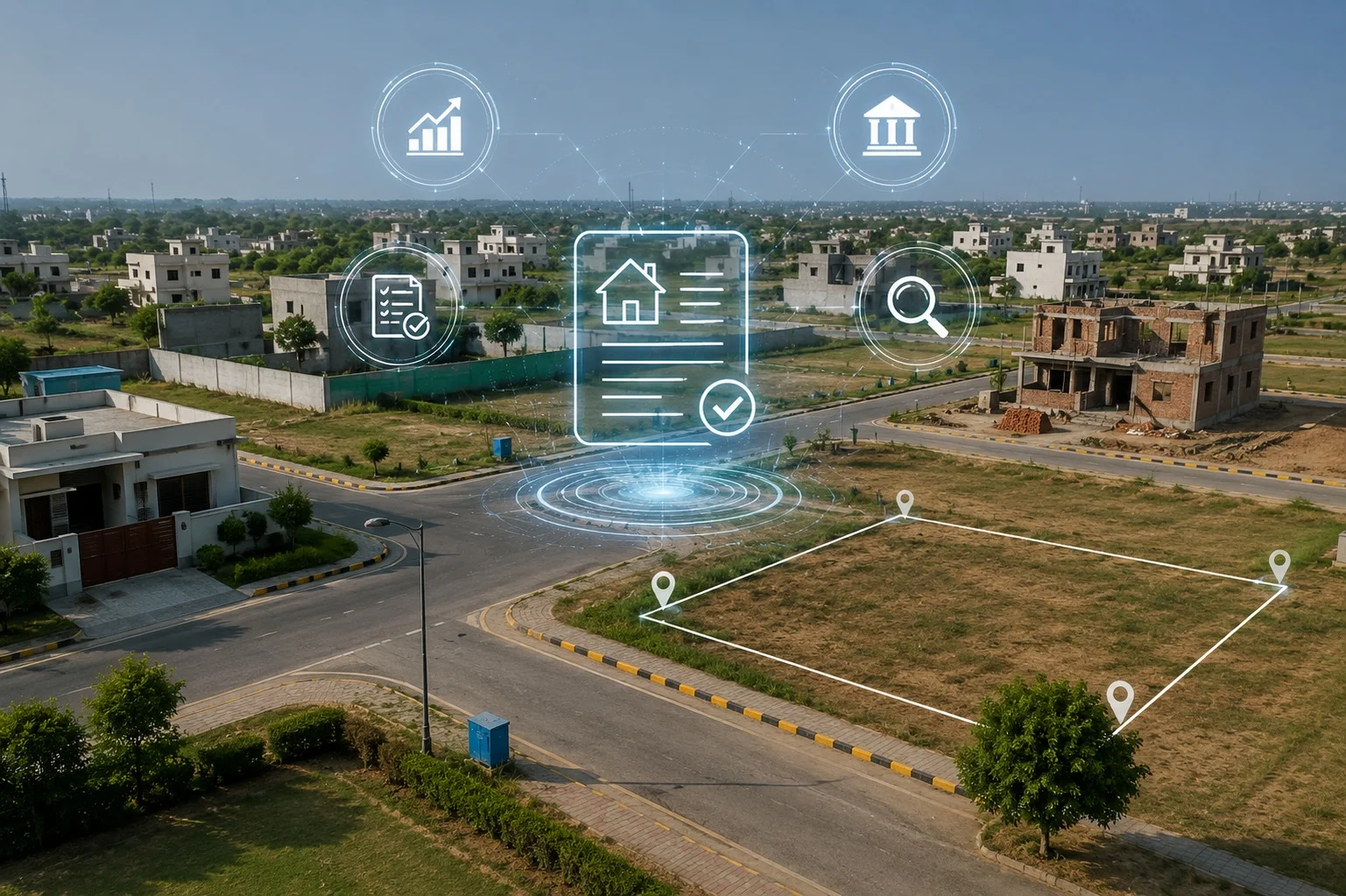
FBR is strengthening digital tracking systems for property registration and transfer. This includes better integration of land records and banking transactions to ensure transparency.
3. Stricter Documentation Requirements
Buyers and sellers are now required to provide more detailed documentation during property transactions. This reduces the possibility of informal or cash-based deals that are not properly recorded.
4. Focus on Tax Compliance
The revenue drive emphasizes compliance, encouraging investors to properly declare assets and income related to property dealings. Non-compliance may lead to penalties or increased scrutiny.
Impact on Property Investors in Pakistan
The effects of these reforms are wide-ranging and can be seen in both short-term and long-term market behavior.
1. Higher Transaction Costs
One of the most immediate impacts is the increase in transaction costs. As property valuations rise, taxes such as stamp duty, withholding tax, and capital gains tax also increase. This directly affects investors who rely on buying and selling properties for quick profits.
For short-term investors, commonly known as property flippers, profit margins may shrink as a larger portion of returns goes toward taxes and documentation expenses.
2. Reduced Speculative Activity
Speculation has always been a major part of Pakistan’s real estate market. However, with stricter enforcement and higher official valuations, speculative buying is expected to slow down.
Investors will likely become more cautious, focusing on genuine value rather than short-term price jumps. This shift could reduce artificial price inflation in some housing markets.
3. Shift Toward Long-Term Investment
While short-term trading may become less attractive, long-term investment in real estate could gain importance. Investors may prefer holding property for rental income or long-term capital appreciation instead of quick resale.
This change can bring more stability to the housing sector and reduce sudden market fluctuations.
4. Improved Market Transparency
One of the positive outcomes of the FBR new revenue drive is improved transparency. With digital tracking systems and better documentation, the chances of fraud, fake housing schemes, and illegal property deals are expected to decline.
For serious investors, this creates a safer environment with reduced risk of disputes and hidden liabilities.
5. Impact on Housing Societies
Housing societies are also under increased scrutiny. Authorities are more focused on ensuring that land records are properly verified and approved. This helps protect buyers from investing in illegal or unapproved schemes, which has been a long-standing issue in Pakistan’s real estate sector.
Opportunities Emerging from the New System
Although the new revenue drive introduces challenges, it also creates several opportunities for the market:
Better Investor Confidence
With more transparency, both local and overseas investors may feel more secure investing in Pakistan’s real estate sector.
Formalization of the Market
The shift toward documented transactions helps formalize the industry, making it more structured and easier to regulate.
Long-Term Price Stability
Reduced speculation and improved regulation can lead to more stable property prices over time.
Challenges for Investors
Despite the benefits, investors must also consider certain challenges:
- Increased tax burden on property transactions
- Reduced short-term profit margins
- Greater paperwork and compliance requirements
- Slower market movement in speculative segments
These challenges require investors to rethink their strategies and focus more on informed, long-term decisions.
What Property Investors Should Do Now
To adapt to the changing environment, investors should:
- Focus on legally approved and well-documented properties
- Plan investments with long-term returns in mind
- Stay updated with FBR policies and valuation changes
- Avoid informal or undocumented property deals
- Consider rental income opportunities for steady cash flow
A more disciplined investment approach will be necessary to succeed in this evolving market.
Conclusion
The FBR new revenue drive marks a significant shift in Pakistan’s real estate landscape. While it may increase costs and reduce short-term speculative profits, it also promotes transparency, accountability, and long-term stability in the property market.
For investors, this is a time of adjustment. Those who adapt quickly to the new tax and valuation environment will be better positioned to benefit from a more regulated and transparent real estate sector in Pakistan.
In the long run, these reforms may help transform the property market into a more reliable and investment-friendly industry, reducing risks and encouraging sustainable growth.
Want to know more? Check out FBR New Grievance System 2026: Impact on Faisalabad Real Estate Market
Like, share and comment: Facebook, Instagram, Youtube and TikTok.




Join The Discussion