

Pakistan’s real estate sector is moving toward a new phase of modernization and transparency after a high-level meeting led by Prime Minister Shehbaz Sharif reviewed major reforms for the housing and property market. The government’s latest initiatives aim to improve investor confidence, digitize land records, streamline approvals, and encourage sustainable urban development across the country.
The meeting focused on solving long-standing challenges in the Pakistan property market, including illegal housing schemes, slow approval procedures, poor documentation systems, and lack of transparency in property transactions. These reforms are expected to reshape the future of the housing sector in Pakistan and create better opportunities for buyers, developers, and overseas investors.
Government Focuses on Real Estate Sector Modernization
The real estate and construction industry plays a major role in Pakistan’s economy. However, the sector has struggled for years with issues such as land disputes, fraudulent property files, delayed project approvals, and unregulated development.
During the PM-led meeting, officials discussed comprehensive real estate reforms designed to modernize the industry and bring it closer to international standards. The government emphasized the importance of transparency, digital transformation, and investor-friendly policies to strengthen the property sector.
The proposed reforms are also linked to broader economic goals, including job creation, infrastructure development, and increased foreign investment.
Digital Land Records to Improve Transparency
One of the most important topics discussed during the meeting was the expansion of digital land record systems across Pakistan. Authorities believe that digitizing land ownership data can significantly reduce fraud and improve trust in property transactions.
Under the new reforms, housing societies and land authorities may be required to maintain fully digitized records for easier verification and monitoring. Buyers will be able to verify ownership details online, reducing the risk of fake files and duplicate documents.
Digital land records can also help speed up property transfers, tax collection, and legal verification processes. This step is particularly important for overseas Pakistanis who often face difficulties verifying property details while investing from abroad.
The government’s push toward automation is being seen as a major development for the Pakistan real estate market in 2026.
One-Window System for Faster Approvals
Another major reform discussed during the meeting was the introduction of a one-window operation for real estate approvals. In Pakistan, developers often face delays due to complex approval procedures involving multiple departments.
The proposed one-window system aims to simplify this process by allowing developers and investors to complete approvals through a centralized platform. This could reduce project delays, lower administrative hurdles, and encourage more organized housing development.
Experts believe the new system could improve the ease of doing business in Pakistan’s property sector and attract both local and foreign investors.
Strict Regulations for Housing Developers
The government also reviewed stricter regulations for housing developers and private housing societies. Authorities are considering mandatory registration requirements to ensure only legally approved developers can launch projects.
This reform is expected to reduce illegal housing schemes and protect buyers from investment fraud. In recent years, many investors have suffered losses due to unapproved societies and fake property files.
With stronger regulations, developers may be required to provide clear documentation, land ownership records, and project approvals before marketing housing schemes.
The move is likely to increase accountability within the real estate sector and improve confidence among property buyers.
Affordable Housing Remains a Key Priority
Affordable housing was another major topic during the PM-led meeting. Pakistan continues to face a growing housing shortage due to rapid urbanization and increasing population.
To address this issue, the government is encouraging low-cost housing projects and modern urban planning initiatives. Authorities are also exploring ways to improve mortgage financing and make home ownership easier for middle-income families.
Affordable housing projects can play an important role in reducing pressure on major cities while supporting the construction industry and creating employment opportunities.
The government’s focus on affordable housing aligns with its broader vision of improving living standards and expanding access to modern infrastructure.
Smart Cities and Planned Urban Development
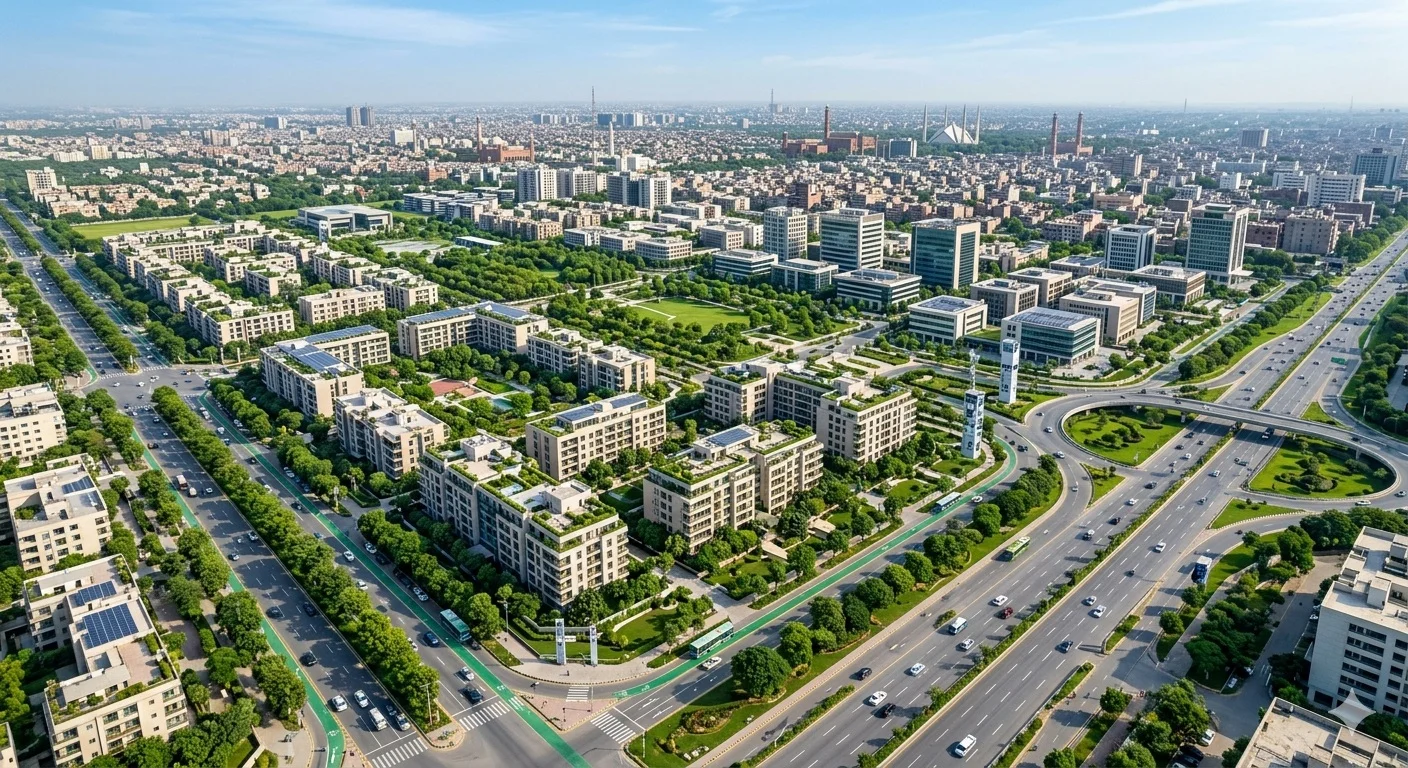
Officials also discussed the importance of planned urban development and smart city concepts in Pakistan. Rapid urban expansion without proper planning has created infrastructure problems in many cities.
The new reforms aim to encourage eco-friendly housing projects, better traffic management systems, digital monitoring technologies, and green urban spaces. Authorities believe smart city planning can help improve quality of life while supporting sustainable development.
Major cities such as Lahore, Islamabad, and Faisalabad could benefit from these urban modernization efforts in the coming years.
For property investors, smart infrastructure projects often increase long-term property value and attract commercial activity.
Impact on Property Buyers and Investors
The latest real estate reforms could have a significant impact on buyers and investors across Pakistan. Increased transparency and digital verification systems may help reduce risks associated with property fraud and illegal housing schemes.
Investors are also likely to benefit from faster approvals, better documentation systems, and improved legal protections. These reforms may encourage overseas Pakistanis to invest more confidently in the local property market.
For genuine housing developers, streamlined approval systems and improved regulations can create a healthier business environment and support long-term growth.
At the same time, stricter compliance rules may create challenges for unapproved or poorly managed housing societies that fail to meet legal standards.
Opportunities for Faisalabad Real Estate Market
The reforms could also create new opportunities for the real estate market in Faisalabad. As one of Pakistan’s major industrial cities, Faisalabad continues to experience growing demand for residential and commercial properties.
Improved land record systems, better infrastructure planning, and transparent approval procedures may encourage more investment in emerging housing societies within the city.
Developers focusing on legal documentation, affordable housing, and modern infrastructure could gain a competitive advantage in the evolving property market.
Local investors may also benefit from increased awareness about approved housing schemes and secure investment practices.
Conclusion
The PM-led meeting reviewing major real estate reforms in Pakistan reflects the government’s growing focus on transparency, modernization, and sustainable urban growth. From digital land records and one-window approvals to affordable housing and stricter developer regulations, these initiatives could reshape the future of Pakistan’s property sector.
While successful implementation will remain the biggest challenge, the reforms have the potential to improve investor confidence, reduce fraud, and support long-term growth in the housing industry.
As Pakistan moves toward a more regulated and technology-driven property market, buyers, developers, and investors will need to stay informed about changing regulations and emerging opportunities in the real estate sector.
Want to know more? Check out Emerging Housing Societies in Pakistan Offering Installment Plans (2026)
Like, share and comment: Facebook, Instagram, Youtube and TikTok.




Join The Discussion