
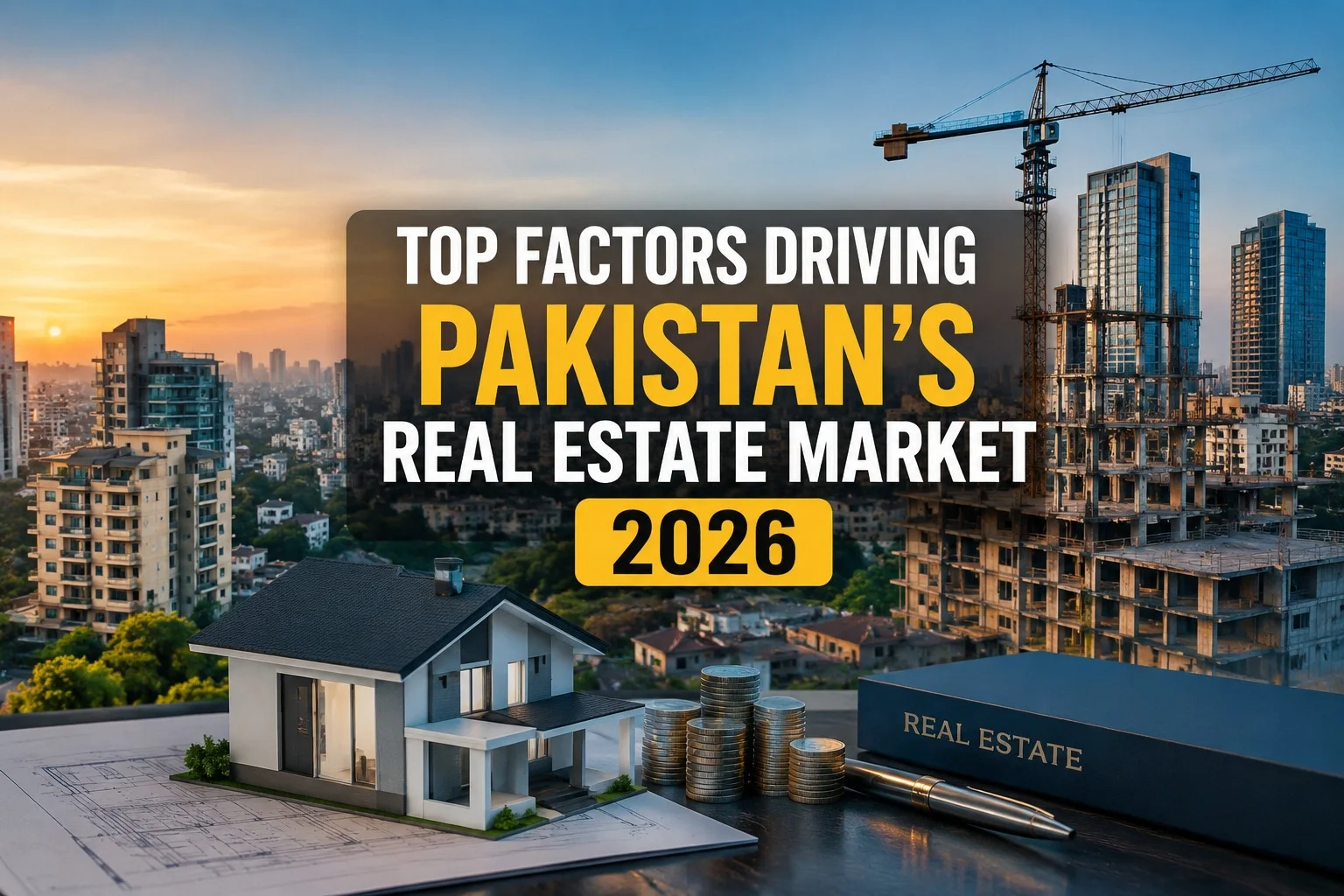
The Pakistan real estate market 2026 continues to attract investors, homebuyers, and developers despite changing economic conditions. Real estate remains one of the country’s most preferred investment options because it offers long-term value, income opportunities, and protection against inflation. Over the past few years, government reforms, infrastructure development, and increasing housing demand have reshaped the property sector, creating new opportunities across residential and commercial markets.
Whether you are planning to buy a home, invest in commercial property, or diversify your investment portfolio, understanding the factors driving the market is essential. From large-scale development projects to digital property services, several trends are influencing property prices and investment decisions.
This article explores the top factors driving Pakistan’s real estate market in 2026 and explains why the sector continues to play a vital role in the country’s economy.
1. Growing Demand for Residential Housing
One of the biggest drivers of the real estate market is the rising demand for housing. Pakistan’s population continues to grow, and rapid urbanization is increasing the need for residential properties in major cities and emerging urban areas.
Many families are looking for secure communities with modern amenities, schools, healthcare facilities, and convenient transportation. This steady demand supports property values and encourages developers to launch new housing projects.
Affordable housing initiatives and private housing societies are also helping meet the needs of middle-income buyers, making residential real estate an attractive investment option.
2. Government Policies Supporting the Property Sector
Government reforms have played a significant role in improving investor confidence. Various policy changes aimed at increasing transparency, simplifying property transactions, and encouraging documented investments have strengthened the market.
Updates in taxation, digital land records, and property registration systems have made buying and selling property more efficient. Investors now have better access to verified ownership information, reducing the risk of fraud and legal disputes.
As regulatory systems continue to improve, the real estate market is becoming more organized and attractive for both local and overseas investors.
3. Infrastructure Development Boosting Property Values
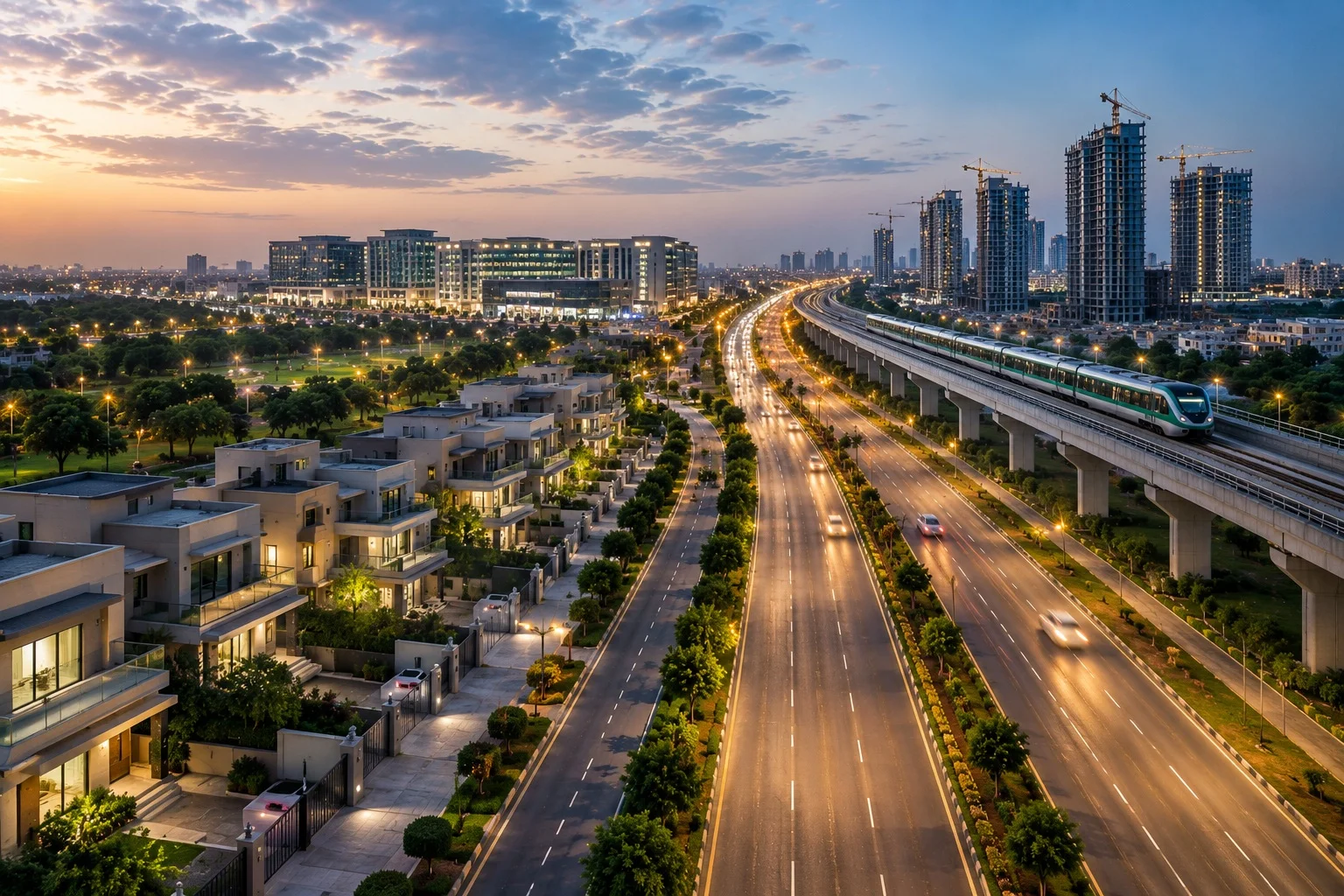
Infrastructure remains one of the strongest factors affecting property prices in Pakistan. Roads, highways, public transportation, bridges, and commercial developments significantly increase the value of nearby properties.
When governments invest in infrastructure, previously underdeveloped areas often become attractive locations for residential and commercial projects. Improved accessibility encourages businesses to expand while increasing demand for housing.
New infrastructure projects also shorten travel times, improve connectivity, and enhance the overall quality of life, making surrounding communities more desirable for buyers.
4. Overseas Pakistanis Investing in Real Estate
Overseas Pakistanis continue to play an important role in the country’s property market. Many prefer investing in real estate because it offers long-term financial security and tangible assets.
Digital payment systems, online property verification, and easier transaction processes have made it more convenient for overseas investors to purchase property without visiting Pakistan.
This consistent inflow of investment supports residential developments, commercial projects, and premium housing societies, contributing to overall market growth.
5. Increasing Interest in Commercial Real Estate
Commercial property is becoming an increasingly attractive investment option. Retail centers, office spaces, mixed-use developments, warehouses, and business parks continue to expand as economic activity grows.
Businesses require modern commercial facilities to serve customers more efficiently, creating demand for well-located commercial properties.
Investors often consider commercial real estate because it has the potential to generate stable rental income while offering long-term capital appreciation.
6. Expansion of Digital Real Estate Services
Technology is transforming how people buy and sell property. Digital platforms now allow buyers to explore listings, compare prices, verify documents, and communicate with agents from anywhere.
Many real estate companies have adopted virtual tours, online booking systems, digital documentation, and secure payment methods, making property transactions faster and more transparent.
The growing use of technology improves market efficiency while helping buyers make informed investment decisions.
7. Rising Demand for Gated Communities
Modern buyers increasingly prefer gated communities that provide enhanced security, recreational facilities, parks, schools, healthcare services, and commercial centers within the same development.
These communities offer better infrastructure and organized urban planning, making them highly attractive to families and long-term investors.
As demand for quality living environments increases, well-planned housing societies continue to experience strong property appreciation.
8. Population Growth and Urbanization
Pakistan’s expanding population continues to increase demand for housing, commercial buildings, and public infrastructure.
Thousands of people move to major cities each year in search of employment, education, healthcare, and improved living standards. This migration creates sustained demand for apartments, houses, office buildings, and retail spaces.
Urban expansion also encourages developers to launch new residential projects in suburban areas where land is more readily available.
9. Inflation and Real Estate as a Long-Term Investment
Inflation affects almost every sector of the economy, but many investors view real estate as a relatively stable long-term asset.
Property values often appreciate over time, helping investors preserve purchasing power. Rental properties can also generate regular income while benefiting from gradual increases in market value.
Although short-term market fluctuations may occur, carefully selected properties in prime locations generally remain valuable over the long run.
10. Better Financing Options for Homebuyers
Access to financing has gradually improved for many property buyers. Banks and financial institutions continue to offer home financing solutions that make property ownership more accessible.
Flexible repayment plans encourage first-time buyers to enter the housing market without paying the full property price upfront.
As financing options continue to expand, more families are expected to purchase homes, increasing overall housing demand.
11. Emerging Investment Hotspots
Beyond traditional real estate markets, several emerging cities and suburban areas are attracting investor attention due to ongoing development and infrastructure improvements.
These locations often offer comparatively affordable property prices with strong long-term growth potential. Investors who identify developing areas early may benefit from future property appreciation.
Careful market research, legal verification, and location analysis remain essential before making any investment decision.
12. Growing Confidence in the Real Estate Market
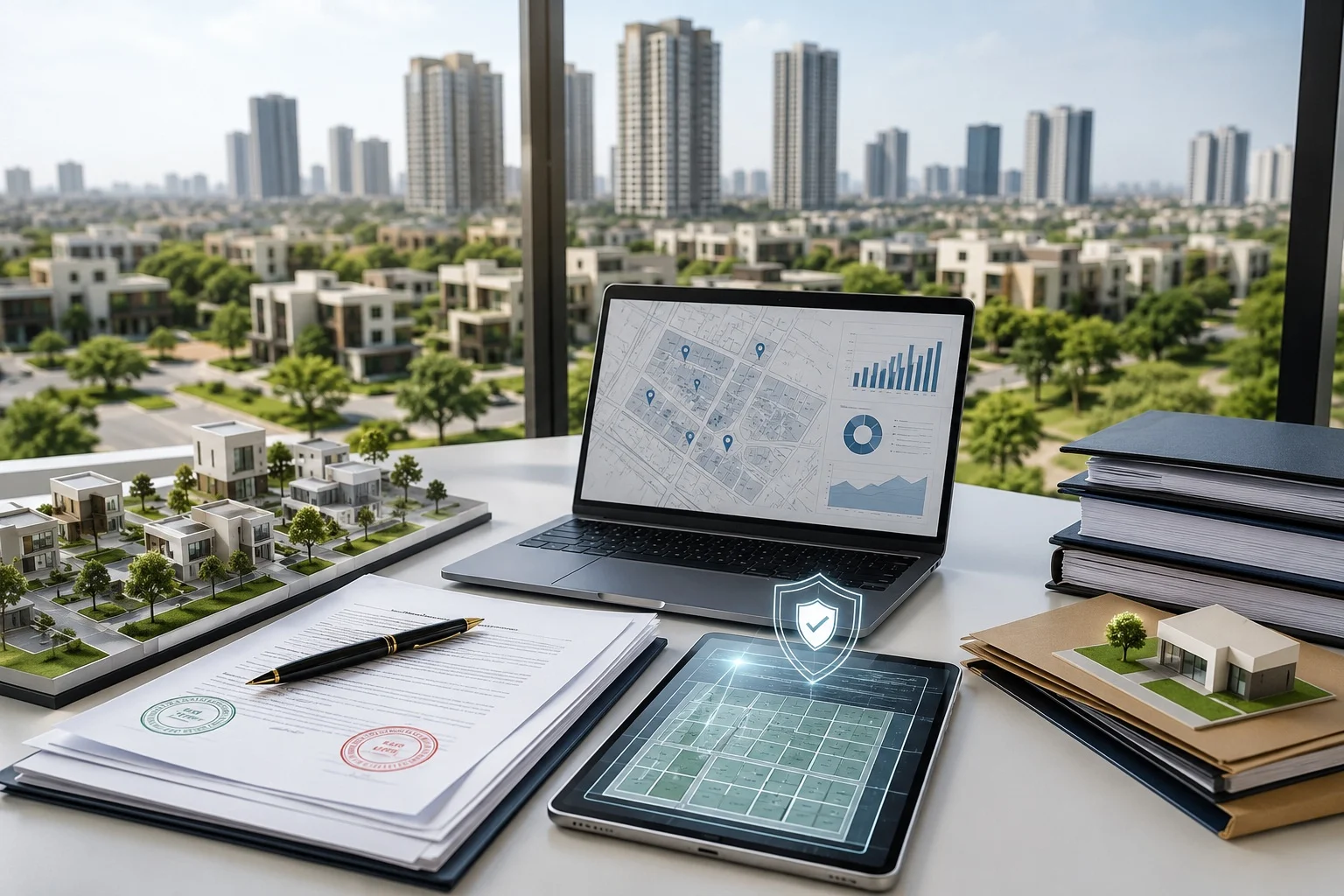
Transparency, digital record management, improved regulations, and greater public awareness have increased confidence in the property sector.
Today’s buyers conduct more research before investing and have better access to verified information than ever before. This informed approach encourages responsible investments and contributes to a healthier market environment.
Professional real estate agencies, legal advisors, and online property resources also help investors make well-informed decisions while reducing investment risks.
Tips for Investors in 2026
Before investing in Pakistan’s real estate market, consider the following recommendations:
- Verify all legal documents and ownership records.
- Choose properties in areas with strong infrastructure development.
- Evaluate future growth potential instead of focusing only on current prices.
- Compare residential and commercial investment opportunities.
- Consider rental income potential alongside property appreciation.
- Work with reputable real estate professionals.
- Stay updated on government regulations and taxation policies.
- Diversify investments when possible to reduce financial risk.
Conclusion
The Pakistan real estate market 2026 is being shaped by multiple economic, demographic, and technological factors. Rising housing demand, infrastructure development, government reforms, overseas investment, digital transformation, and expanding commercial opportunities are creating a favorable environment for long-term property investment.
While market conditions may change over time, investors who focus on verified properties, strategic locations, and long-term growth are more likely to achieve sustainable returns. Whether purchasing a family home or building an investment portfolio, understanding the key drivers behind the market can help buyers make confident and informed decisions.
As Pakistan continues to modernize its property sector and improve transparency, the real estate industry is expected to remain one of the country’s most important investment destinations for years to come.
Want to know more? Check out Pakistan Real Estate Market Outlook After Budget 2026–27: Trends, Predictions & Investment Opportunities.
Like, share and comment: Facebook, Instagram, Youtube and TikTok.




Join The Discussion