

The real estate sector plays a vital role in Pakistan’s economy, contributing to employment, investment, and infrastructure development. In recent years, however, high transaction costs, increasing taxes, and economic uncertainty have slowed activity across the property market. Now, discussions surrounding Budget 2026-27 have sparked optimism among investors, developers, and property buyers due to proposed Punjab Real Estate Property Tax Relief, which is expected to ease financial pressure and revive market activity.
The expected tax reforms could provide much-needed support to the Punjab real estate market by reducing the financial burden on property transactions and encouraging new investments. If implemented effectively, these changes may help revive market confidence, stimulate construction activity, and create fresh opportunities for investors across Punjab.
Understanding the Proposed Property Tax Relief
Property taxes and transaction-related charges have long been a concern for buyers and sellers in Pakistan. Various taxes imposed during property purchases and sales often increase overall costs, discouraging investment and slowing market growth.
The proposed property tax relief under Budget 2026-27 aims to address these challenges by reducing certain taxes associated with real estate transactions. Industry stakeholders have advocated for reforms that make property investment more accessible while promoting documentation and transparency in the sector.
Lower transaction costs can encourage more individuals to enter the market, whether they are first-time homebuyers, overseas Pakistanis, or experienced investors seeking long-term returns.
Why Punjab’s Real Estate Market Matters
Punjab remains Pakistan’s largest province by population and one of its most active real estate regions. Major cities such as Lahore, Faisalabad, Multan, Rawalpindi, and Gujranwala continue to attract residential and commercial development due to expanding infrastructure and growing urban populations.
The province has witnessed increasing demand for:
- Residential plots
- Housing societies
- Commercial properties
- Mixed-use developments
- Investment-focused real estate projects
As urbanization continues, the need for organized housing and commercial spaces is expected to rise. Property tax reforms could further strengthen this demand by making real estate transactions more affordable and attractive.
Increased Investor Confidence
One of the most significant benefits of property tax relief is improved investor confidence. Investors typically evaluate transaction costs, expected returns, and market stability before making decisions.
When taxes are reduced, the cost of buying and selling property becomes more manageable. This creates a more favorable investment environment and encourages individuals to allocate capital toward real estate assets.
Both local and overseas investors often view tax incentives as a positive signal from the government. Such measures indicate support for economic growth and private-sector investment, which can contribute to increased activity across the Punjab property market.
Potential Growth in Housing Demand
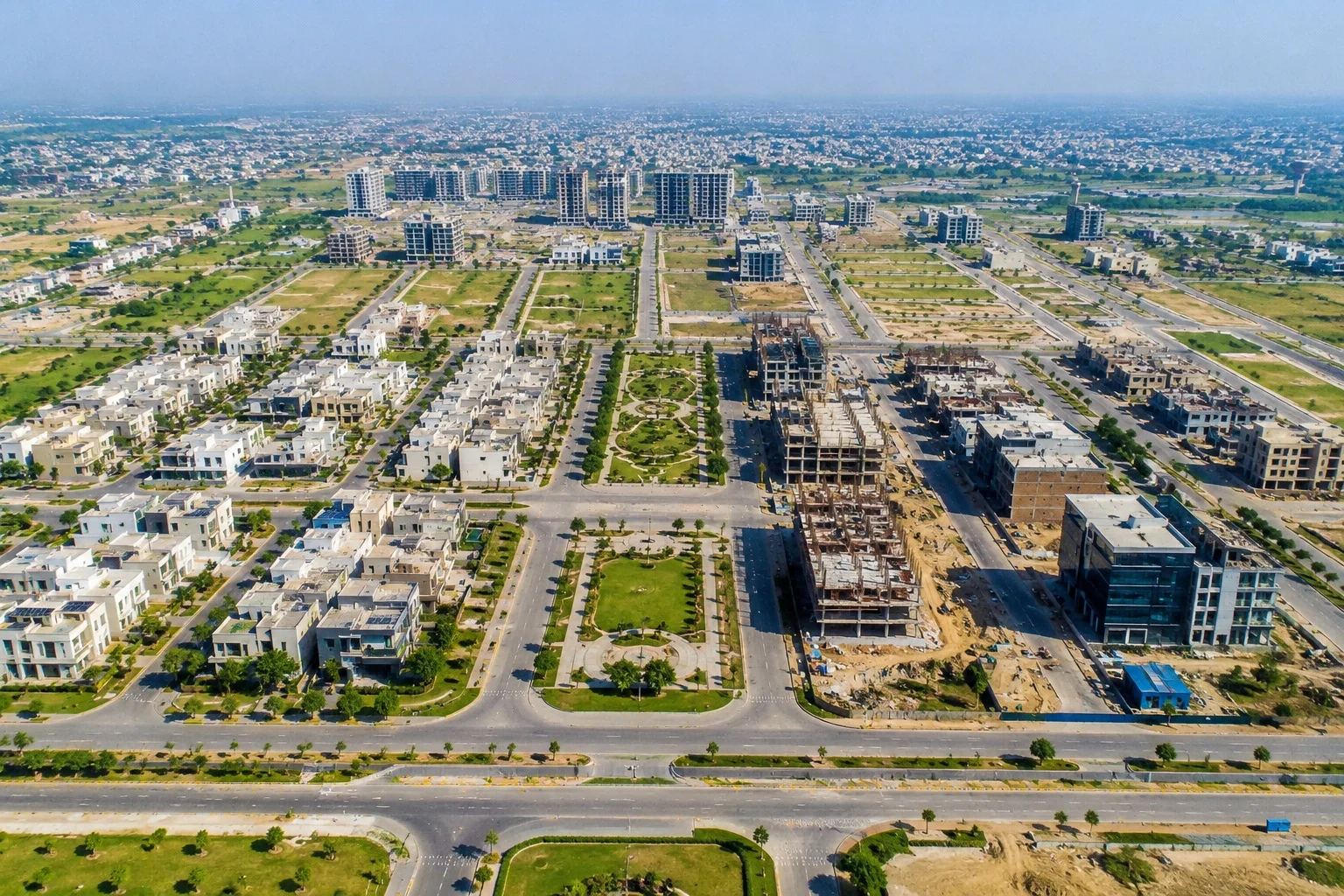
Housing demand remains strong in many parts of Punjab due to population growth and urban expansion. However, rising costs have made property ownership challenging for many families.
Proposed tax relief measures could improve affordability by reducing transaction expenses. This may encourage more middle-income buyers to purchase residential plots, homes, and apartments.
As housing demand grows, developers may respond by launching new projects and expanding existing housing societies. Increased activity in the housing sector can generate employment opportunities and stimulate economic growth across related industries.
Positive Impact on the Construction Industry
The construction industry and real estate sector are closely connected. When property transactions increase, construction activity often follows.
A stronger real estate market can lead to:
- New residential developments
- Commercial construction projects
- Infrastructure improvements
- Increased demand for building materials
- Growth in construction-related employment
This multiplier effect benefits numerous industries, including cement, steel, electrical equipment, transportation, and professional services.
If Budget 2026-27 successfully encourages property investment, the construction sector could experience renewed momentum, contributing to broader economic development throughout Punjab.
Benefits for Emerging Real Estate Markets
While Lahore remains a leading property destination, several emerging cities are attracting growing investor interest.
Cities such as Faisalabad, Multan, Sialkot, and Bahawalpur are witnessing infrastructure upgrades, expanding road networks, and increasing commercial activity. These developments are creating new investment opportunities for buyers seeking affordable alternatives to larger metropolitan markets.
Property tax relief could accelerate investment in these areas by lowering entry costs and improving overall market sentiment. Investors looking for long-term capital appreciation may find significant opportunities in emerging urban centers across Punjab.
Encouraging Overseas Pakistani Investment
Overseas Pakistanis contribute substantially to the country’s economy through remittances and investments. Real estate remains one of the most preferred investment sectors for expatriates due to its potential for capital growth and rental income.
However, complicated taxation structures and high transaction costs can discourage investment decisions.
Tax reforms proposed in Budget 2026-27 may help attract greater overseas Pakistani participation in the property market. Simplified procedures and reduced tax burdens can make property purchases more appealing, increasing capital inflows into the sector.
Greater overseas investment can also support housing development and strengthen long-term market stability.
Importance of Transparency and Digital Reforms
While tax relief can stimulate growth, sustainable development also requires greater transparency and efficiency.
Many industry experts believe that property tax reforms should be accompanied by:
- Digital land record systems
- Simplified registration processes
- Transparent valuation mechanisms
- Improved regulatory oversight
- Faster property transfer procedures
These reforms can reduce uncertainty, improve investor confidence, and encourage more documented real estate transactions.
A transparent market environment benefits buyers, sellers, developers, and government institutions alike.
Challenges to Consider
Despite the potential benefits, tax relief alone may not solve all challenges facing the real estate industry.
Factors such as inflation, financing costs, economic conditions, and regulatory consistency will continue to influence market performance.
Additionally, policymakers must balance revenue generation with growth objectives. Effective implementation of tax reforms will be critical to ensuring that benefits reach investors and end-users while supporting broader economic goals.
A comprehensive approach combining tax incentives, regulatory improvements, and infrastructure development is likely to deliver the strongest long-term results.
Conclusion
The proposed property tax relief measures in Budget 2026-27 have the potential to significantly boost the Punjab real estate market. Lower transaction costs, improved investor confidence, stronger housing demand, and increased construction activity could create positive momentum across the sector.
From major urban centers to emerging investment destinations, tax reforms may unlock new opportunities for buyers, developers, and investors alike. If combined with transparency initiatives and continued infrastructure development, these measures could contribute to a more dynamic and sustainable real estate market in Punjab.
As stakeholders await the final budget announcements, the property sector remains hopeful that meaningful reforms will help drive investment, support economic growth, and strengthen the future of Punjab’s real estate industry.
Want to know more? Check out Real Estate Investment Trends in Pakistan After Tax Reforms and Their Impact
Like, share and comment: Facebook, Instagram, Youtube and TikTok.




Join The Discussion