

Pakistan’s real estate sector has entered a new phase after the government announced significant tax relief for property buyers and sellers in the Budget 2026-27. The headline reform property tax halved for filers Pakistan is being widely seen as a major step to revive market activity, improve liquidity, and restore investor confidence.
For years, high transaction costs and strict tax policies slowed down property buying and selling in Pakistan. Now, with taxes nearly halved for filers, both small and large investors are expected to return to the market.
Overview of Property Tax Relief in Budget 2026-27
The government has introduced a series of measures aimed at boosting documentation and encouraging real estate investment. The most important change is the reduction in withholding taxes on property transactions for tax filers.
Key Policy Changes
- Reduction in property purchase tax (Section 236K) for filers
- Reduction in property sale tax (Section 236C) for filers
- Continued higher tax rates for non-filers to encourage documentation
- Broader push toward digitization and formal economy
The core objective is simple: make real estate transactions easier for compliant taxpayers while discouraging undocumented deals.
Before vs After Tax Comparison
One of the most impactful changes is the reduction in tax rates. Here is a simple comparison:
| Tax Type | Previous Rate | New Rate (Filers) |
| Buyer Tax (236K) | ~2.5% | ~1.25% |
| Seller Tax (236C) | ~4–5% | ~2–2.5% |
This reduction directly lowers the total cost of property transactions, making buying and selling significantly more affordable.
Why Property Tax Reduction Matters for Pakistan Real Estate
Real estate in Pakistan is extremely sensitive to transaction costs. Even a small reduction in taxes can create noticeable market movement.
Key Impacts:
- Lower entry cost for buyers
- Easier property resale for investors
- Increased transaction volume
- Improved market liquidity
When taxes are high, investors hold properties longer. When taxes drop, market activity increases and that is exactly what policymakers are aiming for.
Boost in Market Activity and Investor Confidence
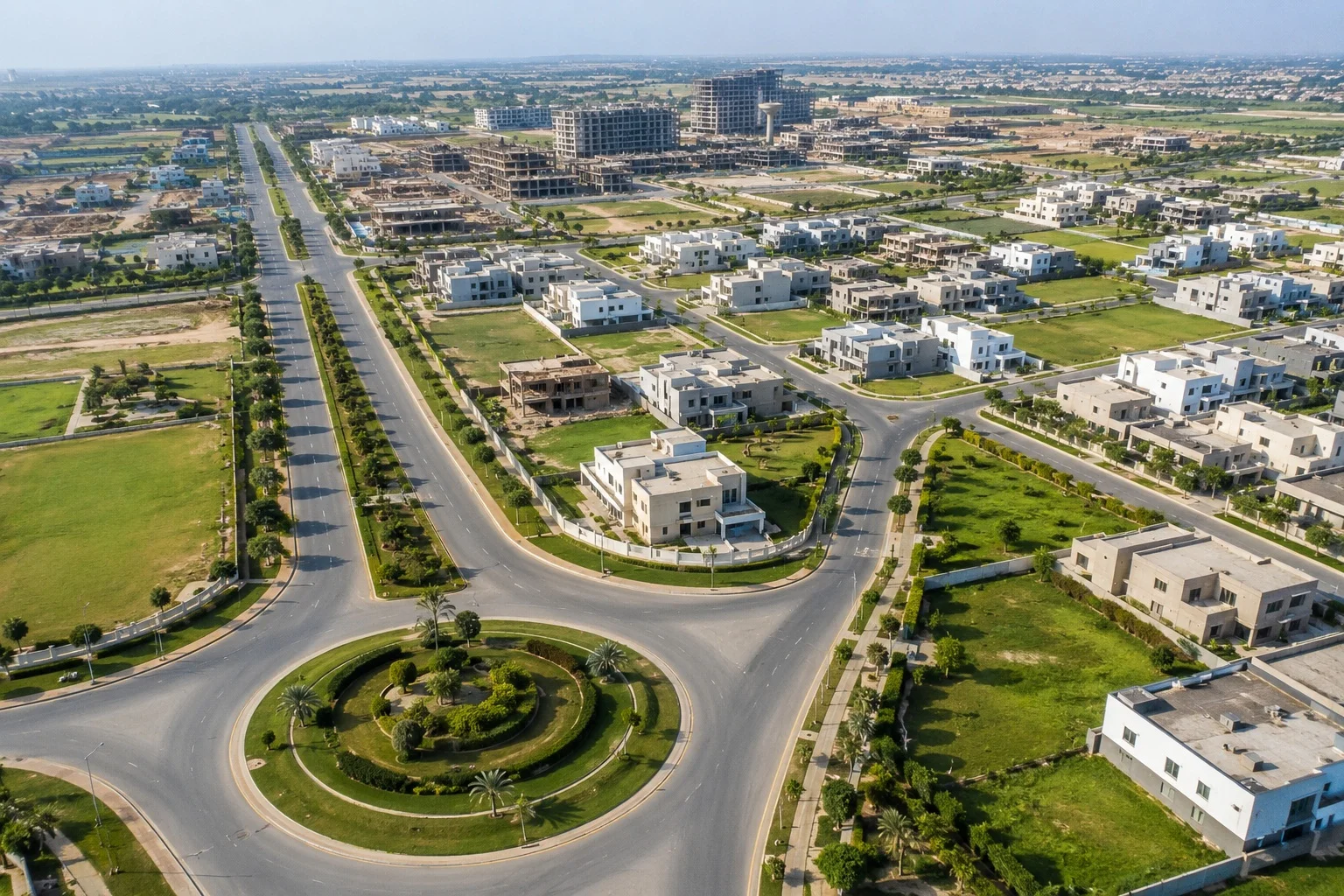
One of the biggest expected outcomes of this policy is renewed investor confidence. Over the past few years, uncertainty around taxation led many investors to adopt a “wait and see” approach. With reduced taxes for filers:
- Investors are more likely to re-enter the market
- Developers may launch new housing projects
- Overseas Pakistanis may increase property investments
- Speculative pressure may reduce over time
This renewed confidence can help stabilize prices and increase healthy market activity.
Impact on Housing Demand and Construction Sector
The real estate sector is closely linked with construction and allied industries. When property transactions increase, the entire ecosystem benefits.
Expected positive effects:
- Increased demand for residential plots
- Growth in housing society development
- Higher demand for cement, steel, and construction materials
- Job creation in construction and related sectors
Affordable transaction costs also encourage middle-income buyers to consider home ownership, especially in urban centers.
City-Wise Impact in Pakistan
The impact of tax reduction will not be equal across all cities. Some markets will benefit more than others.
Lahore
- Strong demand for housing societies
- Increased investment in commercial plots
Karachi
- Revival in apartment and commercial markets
- Higher activity in mid-range housing projects
Islamabad
- Continued growth in luxury and farmhouses segment
- Increased overseas investment interest
Faisalabad
- Rising demand for affordable housing schemes
- Increased small investor participation
- Growth in suburban development zones
Faisalabad, in particular, is expected to benefit from small and mid-level investment activity due to lower entry costs.
Filer vs Non-Filer Impact
The government has clearly widened the gap between filers and non-filers.
For Filers:
- Lower transaction taxes
- Reduced property purchase cost
- Better investment environment
For Non-Filers:
- Higher withholding taxes remain
- Increased pressure to enter tax system
- Limited investment flexibility
This structure is designed to push more people toward becoming tax filers, expanding the documented economy.
Effect on Overseas Pakistanis
Overseas Pakistanis play a key role in real estate investment, especially in urban housing projects.
With reduced taxes:
- Property becomes more affordable for overseas buyers
- Trust in formal banking channels increases
- Remittance-backed investments may rise
- Long-distance property transactions become more attractive
This could lead to a noticeable inflow of foreign investment into Pakistan’s property sector.
Economic Impact Beyond Real Estate
The benefits of this policy extend beyond just property buyers and sellers.
Benefiting sectors include:
- Construction industry
- Banking and mortgage services
- Cement and steel manufacturing
- Legal and property registration services
A more active real estate market usually leads to broader economic stimulation, which supports employment and GDP growth.
Risks and Challenges
While the policy is positive, there are still some challenges:
- Inflation may still affect affordability
- Interest rates could impact buying power
- Short-term speculation may increase in hot markets
- Policy consistency is needed for long-term stability
Sustainable growth will depend on how consistently these reforms are implemented.
Future Market Outlook (2026–2027)
Experts expect moderate but steady growth in Pakistan’s real estate sector if these tax reforms remain in place.
Expected trends:
- 15–25% increase in property transactions
- Higher demand in mid-range housing projects
- Gradual price stabilization in major cities
- Stronger participation from small investors
The market is unlikely to boom overnight, but it is expected to become more active and stable.
Conclusion
The decision to halve property taxes for filers marks an important step toward reviving Pakistan’s real estate sector. By reducing transaction costs, the government is encouraging more activity, improving transparency, and supporting economic growth.
Cities like Lahore, Karachi, and Faisalabad are expected to see renewed momentum, especially in affordable and mid-range housing segments. While challenges remain, this reform has the potential to bring long-term stability and growth to Pakistan’s property market.
Want to know more? Check out Budget 2026-27: Proposed Property Tax Relief to Boost Punjab Real Estate Market
Like, share and comment: Facebook, Instagram, Youtube and TikTok.




Join The Discussion